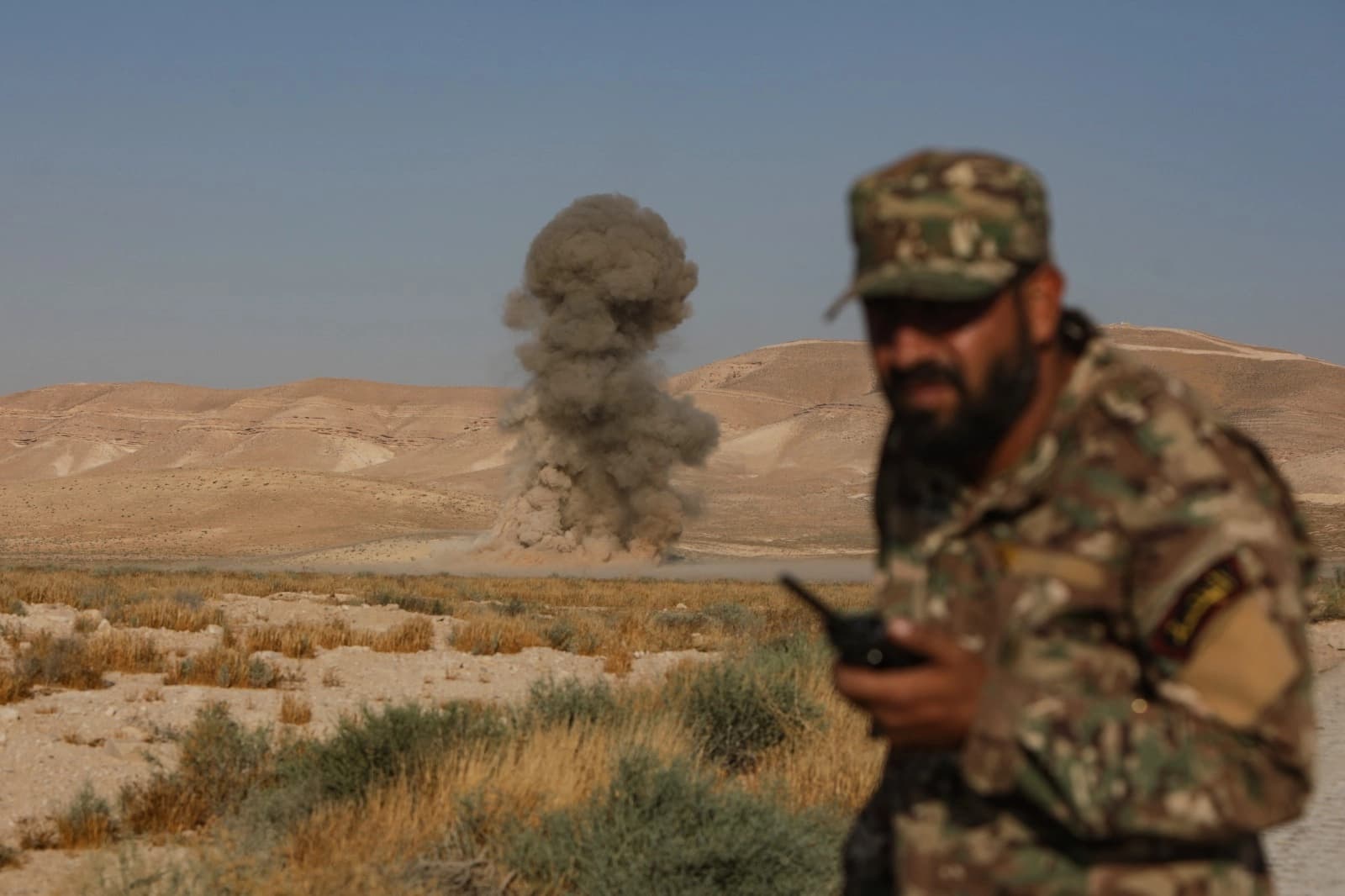

ERBIL, Kurdistan Region - Syria’s transitional government is close to joining the United States-led global coalition against the Islamic State (ISIS), Washington’s special envoy to Syria said on Saturday.
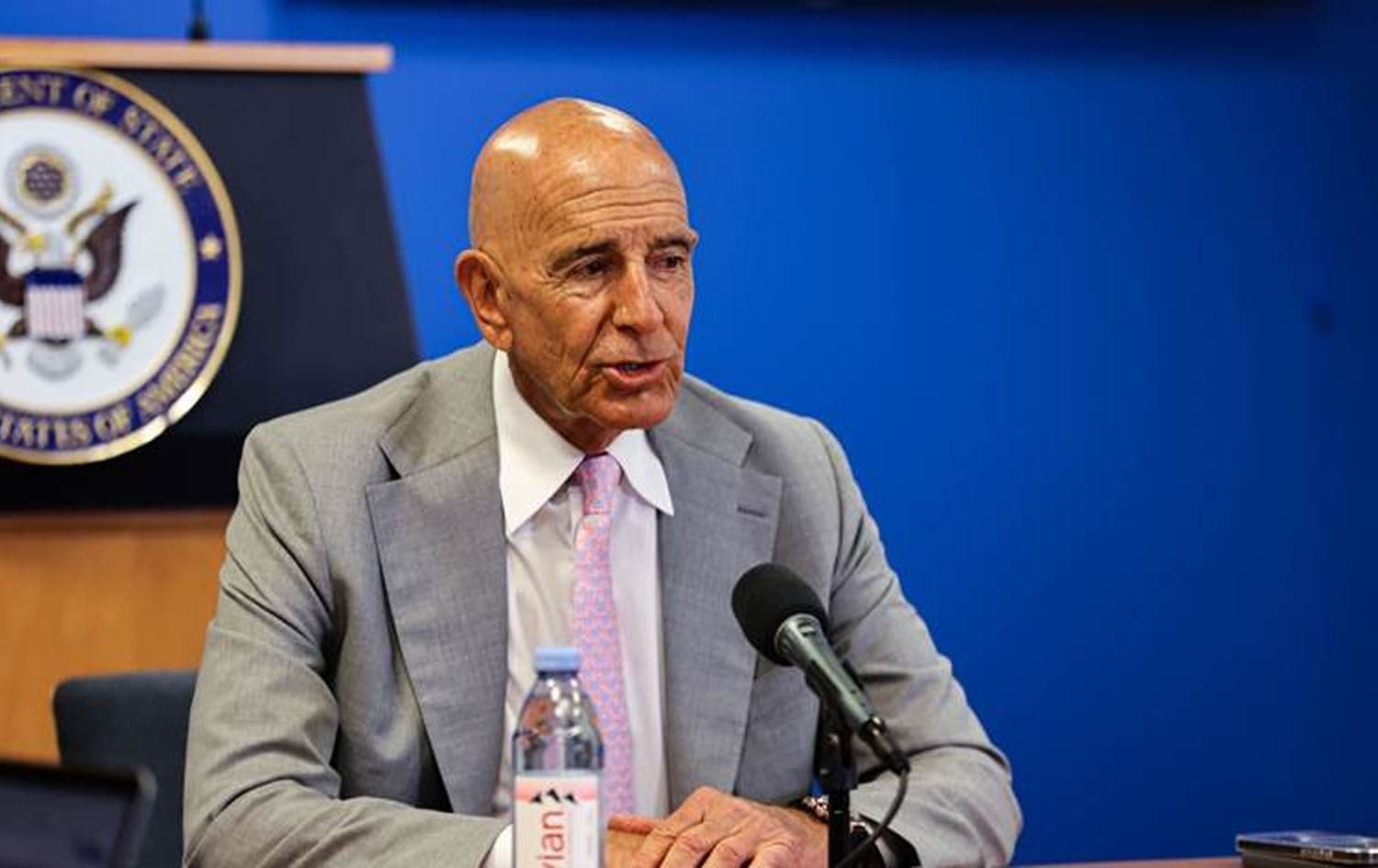
“They’re about to sign the D-ISIS coalition letter, I think [Syrian] Foreign Minister Shaibani may talk about it tomorrow, which is a huge step,” Ambassador Tom Barrack said in a panel at the IISS Manama Dialogue, an annual security and geopolitical conference in Bahrain.
“Joining 88 other countries in a D-ISIS coalition, for Syria to do this, after the Assad regime is remarkable. And it’s really due to President Trump and the regional support of Saudi Arabia, Turkey, even Israel pointing to it and everybody saying we’ll usher you along, we’ll help you get there,” said Barrack.
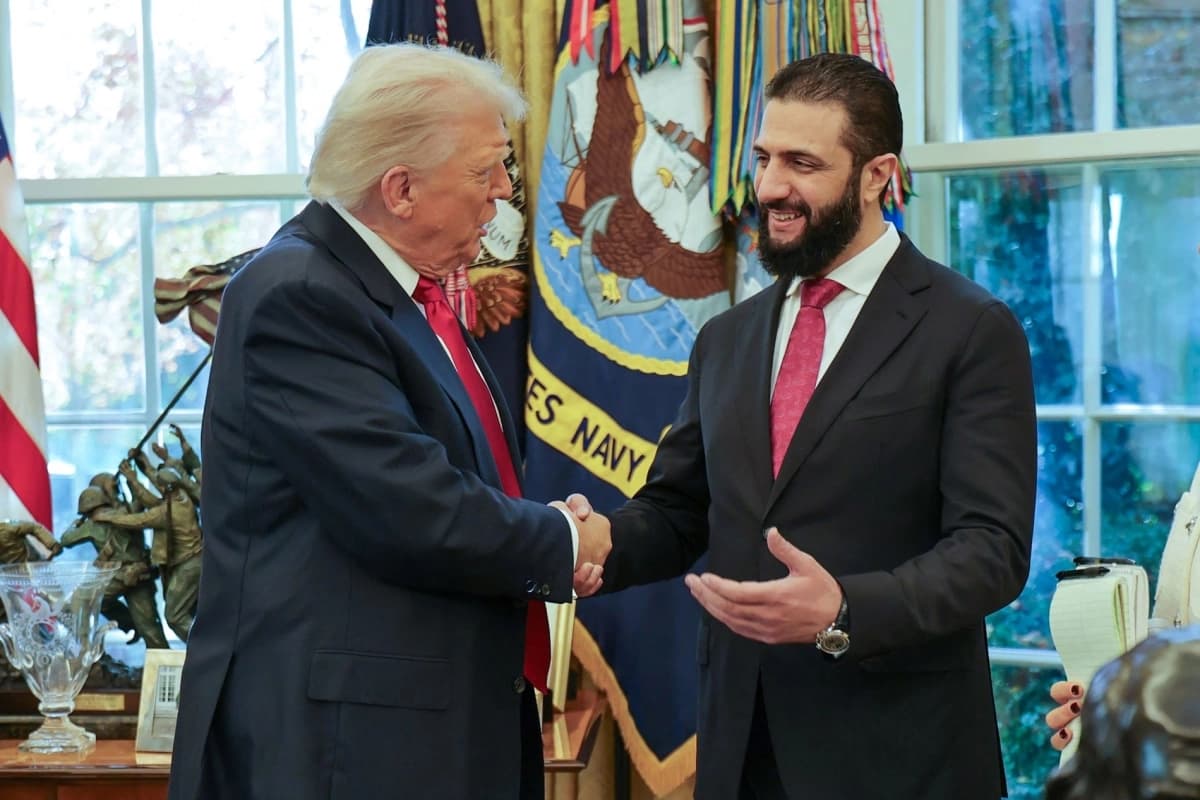
He later told reporters on the sidelines of the conference that Sharaa will sign the document joining the anti-ISIS coalition in the White House on November 10, Al-Monitor reported.
The Kurdish-led Syrian Democratic Forces (SDF), based in northeast Syria, is a key ally of the global coalition. It partnered with international forces to territorially defeat ISIS in Syria and continues to receive coalition support, including in an operation to capture five ISIS members in Raqqa on Saturday.
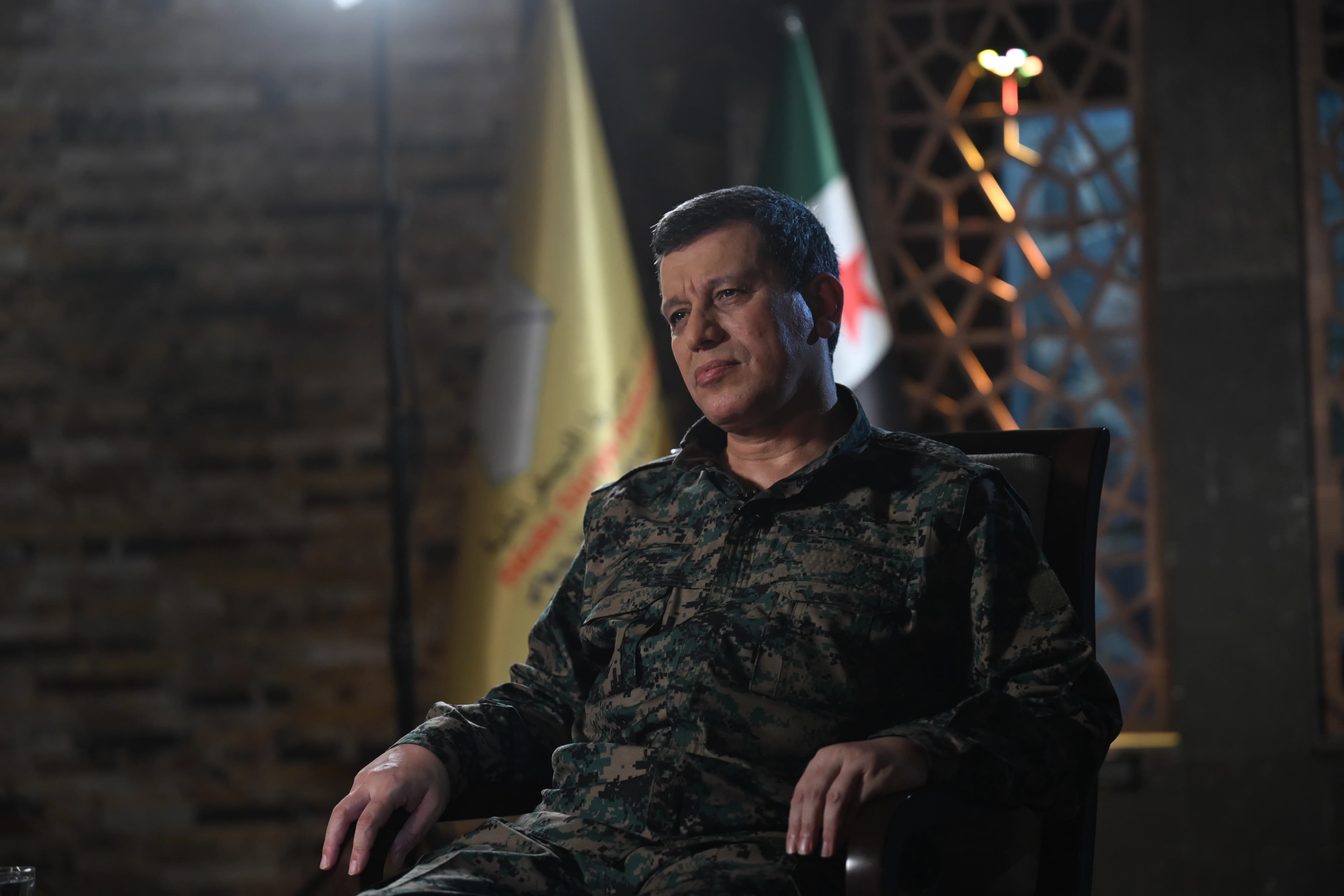
The SDF is in talks with Damascus about integrating their forces into the national army. They signed an agreement in March, but implementation of the deal stalled over disagreements about how the integration would proceed. The stalemate appears to have been broken last month when SDF commander Mazloum Abdi met with Sharaa in Damascus.
Barrack said talks are “going amazingly well… We’re close to having an alignment.”
Abdi, in comments made after his October meeting with Sharaa, said they agreed to collaborate in the war on terror.
“Damascus may soon join the war against ISIS,” he said.