


Syria

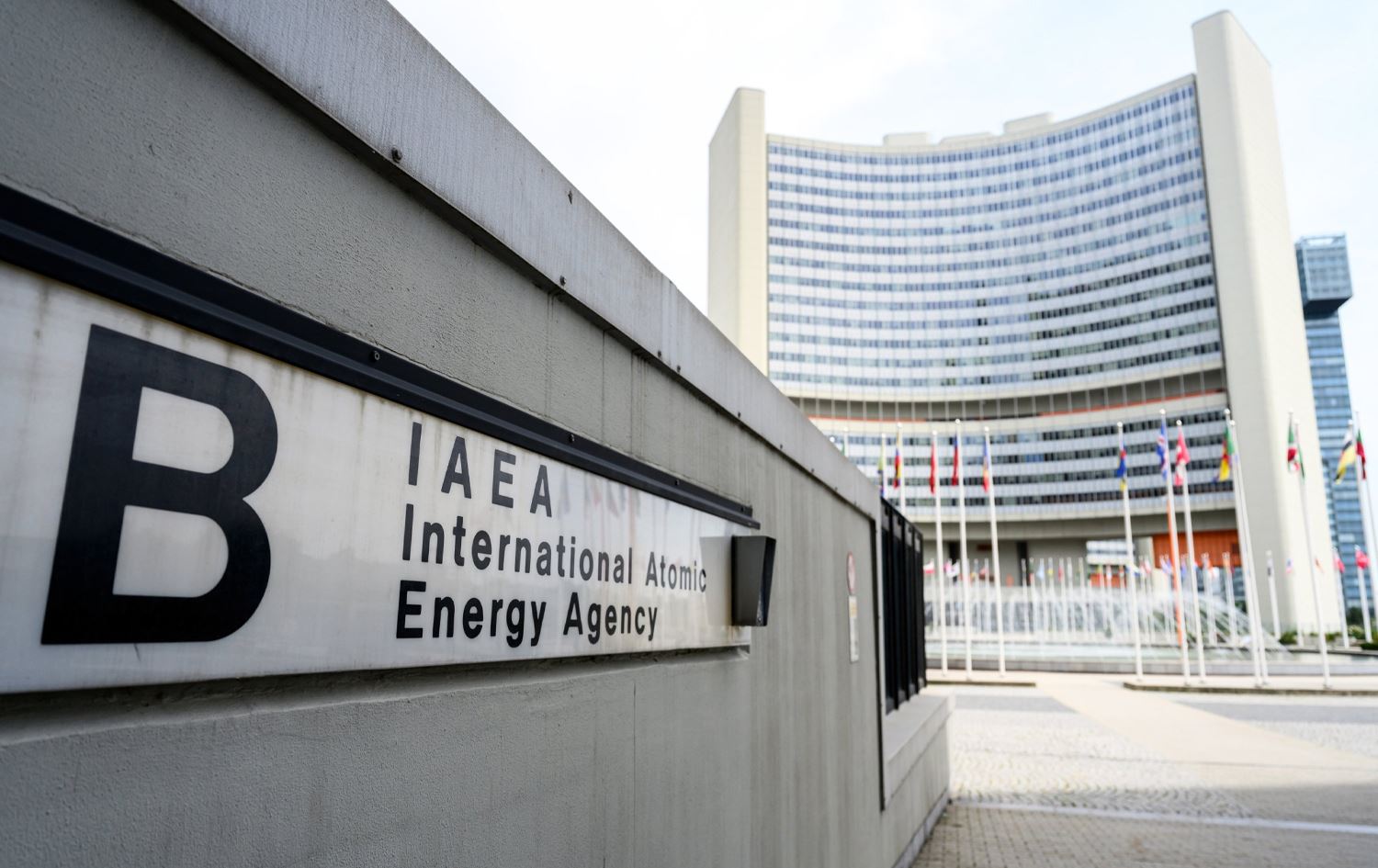
An outside view of the International Atomic Energy Agency (IAEA) headquarters in Vienna, Austria, on June 23, 2025. Photo: AFP
ERBIL, Kurdistan Region - Samples collected from a Syrian site bombed by Israel in 2007 contained uranium particles, the United Nations’ nuclear watchdog said, reinforcing long-standing suspicions that the location may have housed a secret nuclear facility.
The International Atomic Energy Agency (IAEA) found “a significant number of natural uranium particles in samples taken at one of the three locations. The analysis of these particles indicated that the uranium is of anthropogenic origin, i.e. that it was produced as a result of chemical processing,” it said in a Monday report to member states.
The samples were taken from three sites suspected by the agency of being secret nuclear facilities that the previous regime of Bashar al-Assad was running, and only one of the locations in Deir ez-Zor contained traces of uranium.
The term 'natural' means the uranium was not enriched.
The agency had concluded in 2011 that the site in Deir ez-Zor was probably a nuclear reactor run in secret, but Syria has repeatedly denied that it was building a nuclear reactor.
Syria had previously purchased a Miniature Neutron Source Reactor (MNSR) from China in 1992 for “radio isotope production, research and training,” according to the IAEA.
“The SRR-1 is the smallest research reactor on the world market, and is not capable of producing sufficient fissile material for nuclear weapons production,” according to the Nuclear Threat Initiative (NTI)
According to the report by the IAEA, the current Syrian government had no information “that might explain the presence of such uranium particles.”
In a 2024 meeting between IAEA chief Rafael Grossi and former Syrian president Bashar al-Assad, the two parties agreed on continued investigations into the suspected nuclear sites in Syria.
The recent findings came a month after an agreement between the IAEA and Syria’s interim president Ahmed al-Sharaa.
“Syria agreed to cooperate with the Agency, through full transparency, to address Syria's past nuclear activities,” the IAEA said.
Grossi asked Damascus to facilitate further visits to the site in Deir ez-Zor in the coming months.
The International Atomic Energy Agency (IAEA) found “a significant number of natural uranium particles in samples taken at one of the three locations. The analysis of these particles indicated that the uranium is of anthropogenic origin, i.e. that it was produced as a result of chemical processing,” it said in a Monday report to member states.
The samples were taken from three sites suspected by the agency of being secret nuclear facilities that the previous regime of Bashar al-Assad was running, and only one of the locations in Deir ez-Zor contained traces of uranium.
The term 'natural' means the uranium was not enriched.
The agency had concluded in 2011 that the site in Deir ez-Zor was probably a nuclear reactor run in secret, but Syria has repeatedly denied that it was building a nuclear reactor.
Syria had previously purchased a Miniature Neutron Source Reactor (MNSR) from China in 1992 for “radio isotope production, research and training,” according to the IAEA.
“The SRR-1 is the smallest research reactor on the world market, and is not capable of producing sufficient fissile material for nuclear weapons production,” according to the Nuclear Threat Initiative (NTI)
According to the report by the IAEA, the current Syrian government had no information “that might explain the presence of such uranium particles.”
In a 2024 meeting between IAEA chief Rafael Grossi and former Syrian president Bashar al-Assad, the two parties agreed on continued investigations into the suspected nuclear sites in Syria.
The recent findings came a month after an agreement between the IAEA and Syria’s interim president Ahmed al-Sharaa.
“Syria agreed to cooperate with the Agency, through full transparency, to address Syria's past nuclear activities,” the IAEA said.
Grossi asked Damascus to facilitate further visits to the site in Deir ez-Zor in the coming months.


Comments
Rudaw moderates all comments submitted on our website. We welcome comments which are relevant to the article and encourage further discussion about the issues that matter to you. We also welcome constructive criticism about Rudaw.
To be approved for publication, however, your comments must meet our community guidelines.
We will not tolerate the following: profanity, threats, personal attacks, vulgarity, abuse (such as sexism, racism, homophobia or xenophobia), or commercial or personal promotion.
Comments that do not meet our guidelines will be rejected. Comments are not edited – they are either approved or rejected.
Post a comment