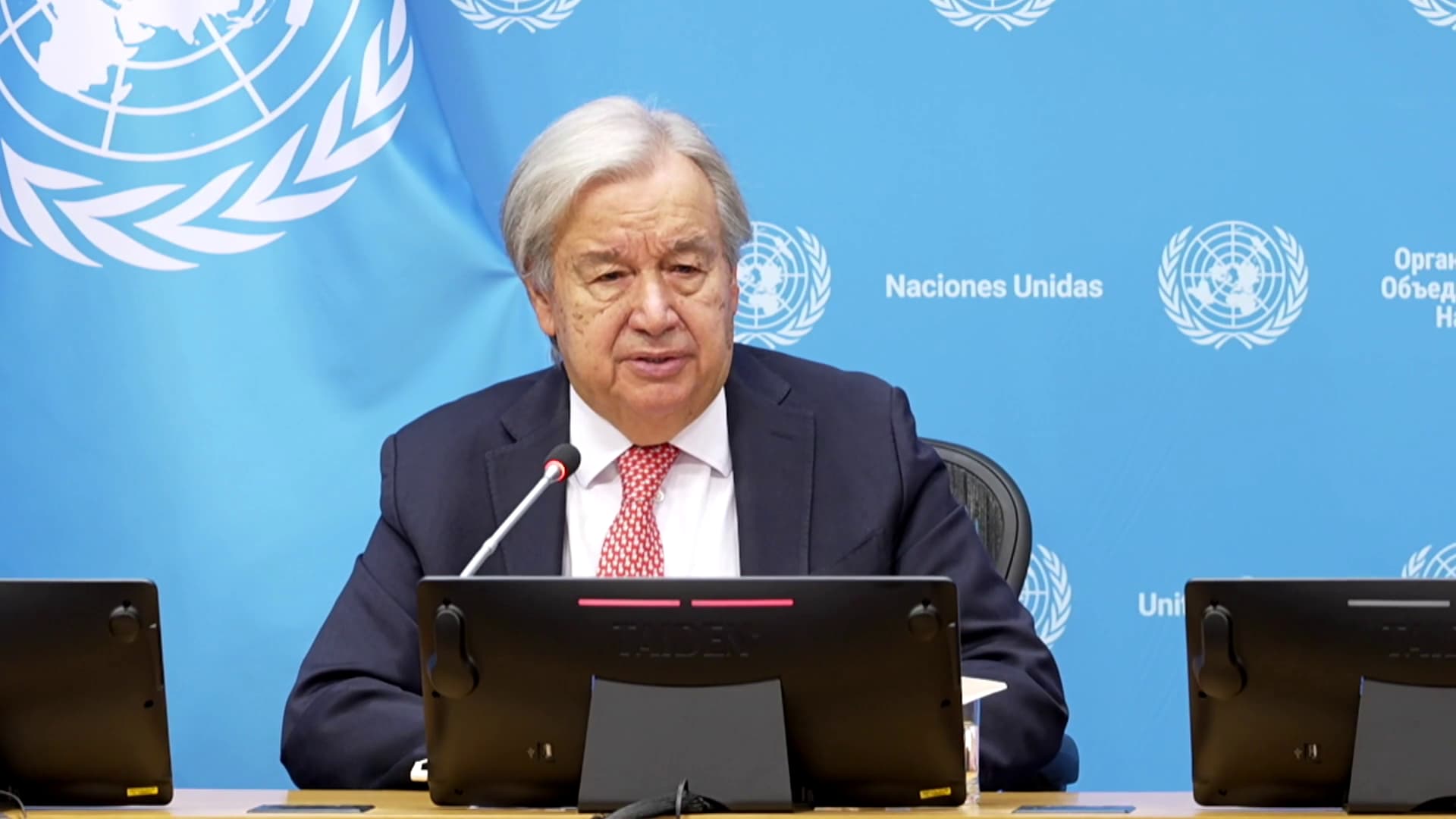
ERBIL, Kurdistan Region - Mazloum Abdi, the commander of the Kurdish-led Syrian Democratic Forces (SDF), met Monday with a high-level US delegation including US Special Envoy for Syria Tom Barrack and Admiral Brad Cooper, Commander of US Central Command (CENTCOM), representing the US-led Global Coalition to Defeat ISIS.
The talks, also attended by officials from the Kurdish-led administration in northeast Syria (Rojava), focused on accelerating the implementation of the integration agreement between Rojava and Damascus.
In attendance
In a statement on X, the Rojava administration's communication page, North and East Syria Communication (Nescomm), reported that Abdi “received this [Monday] morning U.S. Ambassador to Türkiye and Special Envoy to Syria Tom Barrack, along with CENTCOM Commander Admiral Brad Cooper, leading a U.S. delegation from the International Coalition.”
The high-profile meeting was notably attended by Elham Ahmad, foreign relations co-chair of the Democratic Autonomous Administration of North and East Syria (DAANES) in Rojava.
Also in attendance, Rohilat Afrin, commander of the Women's Protection Units (YPJ) - the all-woman branch of the People's Protection Units (YPG) which is the backbone of the SDF and a key ally of the US-led coalition - and Abed Hamed al-Mehbash, chairman of the pro-Kurdish Future of Syria Party.
The gist
According to the Nescomm statement, talks focused on “practical steps to accelerate the implementation of the March 10 Agreement signed between Syrian transitional President Ahmad al-Sharaa and General Mazloum Abdi.”
The Abdi-Sharaa agreement aims to integrate “all civil and military institutions” in Rojava under the command of the Syrian state. The deal also called for enforcing a “ceasefire across all Syrian territory.”
While the US-backed accord has been partially implemented, key disagreements persist, particularly over the definition of "integration." While the SDF seeks to join the Syrian forces as a unified bloc, Damascus insists on individually assimilating its fighters in the national army.
The Monday meeting also discussed “facilitating the lifting of sanctions on Syria, creating a safe environment for investment and development, and facilitating the return of displaced people,” the statement noted.
In a statement he later posted on X, Abdi described his meeting with Barrack and Cooper as "an honor," praising US President Donald Trump and his Special Envoy to Syria for having "played a sincere and active role toward the Syrian people in their pursuit of resolving the crisis and achieving a better future for Syria and all Syrians."
"We remain steadfast in our goal of one united Syria for all Syrians," Abdi asserted.
The SDF chief further noted that discussions in the Monday meeting touched on "a range of issues aimed at supporting political integration in Syria, preserving the country’s territorial integrity, and creating a safe environment for all components of the Syrian people."
The senior figures reaffirmed the need to ensure "continued efforts to combat ISIS in the region," Abdi said.
Washington reacts
Rojava and US officials “reaffirmed their commitment to continued partnership between the International Coalition and the SDF in combating ISIS and strengthening regional stability and security, in a way that preserves Syria’s territorial integrity,” the statement concluded.
In a post on X, the US Special Envoy, Barrack, stated, “I visited northeast Syria [Rojava] today with CENTCOM Commander Admiral Cooper for substantive conversations with [SDF chief] Mazloum Abdi and the SDF.”
He added that the effort grants “forward momentum for [President of the United States] POTUS’s [Donald Trump] vision of “give Syria a chance” by allowing Syrians to unite with all Syrians in a renewed effort for cooperative peace and prosperity.”
Backed by the US, the SDF functions as the de facto military force in Rojava and remains a key partner of the Global Coalition to Defeat ISIS led by Washington.
The timing
The talks come as negotiations are underway between the SDF and the interim authorities in Damascus with coordinated support from the US and France, diplomatic sources in Paris confirmed to Rudaw in late September.
“The negotiation process between the two parties is underway, with the coordinated support of France and the United States,” the sources stated, asserting, “Alongside our American partners, we maintain a constant dialogue with representatives from northeastern Syria [Rojava] and [Syrian] transitional authorities, and we continue our efforts to bring positions closer together.”
In late July, Qutaiba Idlbi, director of American affairs at Syria's foreign ministry, confirmed to Rudaw exclusively that a meeting between the Syrian government and the SDF would be held in Paris "soon" to finalize integration talks.
However, in early August Damascus cancelled the planned Paris negotiations after Rojava hosted a unity conference that brought together more than 400 members of Syria’s minority groups.
The state-run Syrian Arab News Agency (SANA) then quoted an unnamed “Syrian government official” as criticizing the event as contradictory to Damascus’s “One Syria” policy.
Nevertheless, French diplomatic sources told Rudaw in late September that “significant work has already been accomplished on both sides of the Euphrates,” hoping that “these efforts will help advance toward a balanced, inclusive solution that respects the rights of all Syrians.”
In Syria, the Damascus government and its allies hold the western bank of the Eupharates, while the SDF controls most of the eastern bank, where Rojava is located.
The talks, also attended by senior officials from the Kurdish-led administration in northeast Syria (Rojava), focused on accelerating the implementation of the integration agreement between Rojava and Damascus.
Updated at 5:10 pm