


Syria

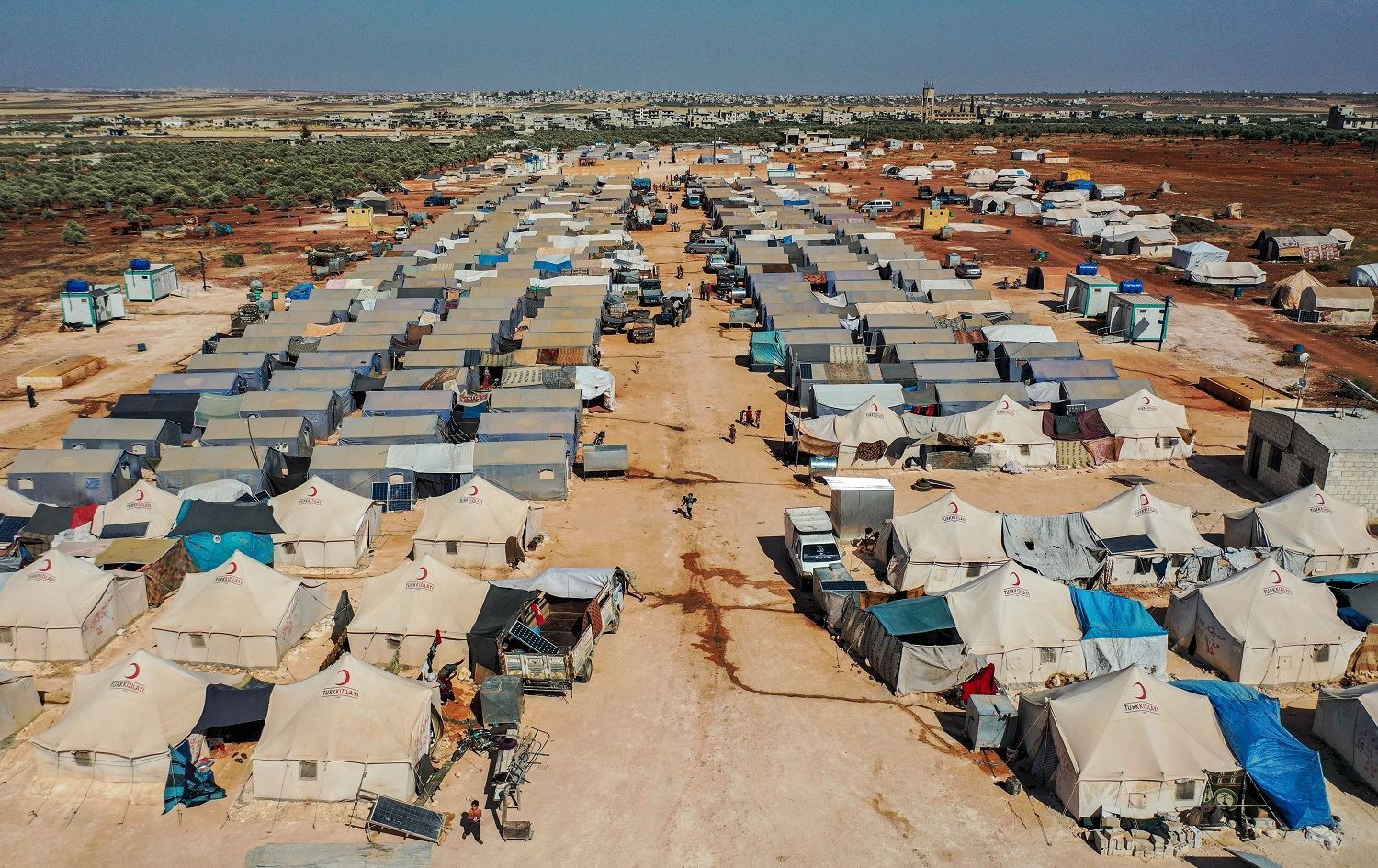
An aerial view of tents at the Azraq IDP camp in Syria's northwestern Idlib province on July 9, 2020. Photo: Omar Haj Kadour / AFP
ERBIL, Kurdistan Region - A snowstorm that hit northern Syria in late December affected around 158,000 people across 90 displacement sites, particularly in northeast Syria (Rojava), where many of the camps are located. The storm killed two toddlers and damaged thousands of shelters, the United Nations reported.
In a report released Tuesday, the UN Office for the Coordination of Humanitarian Affairs (OCHA) said the storm damaged around 5,000 shelters, either partially or completely, leaving families exposed to freezing temperatures and raising the risk of hypothermia and respiratory illnesses. Two toddlers died from cold-related causes in northern Idlib, UN humanitarian partners were quoted as stating.
The report further noted that the UN and its partners require $112 million to provide life-saving winter assistance between September 2025 and March 2026, but have received only $29 million so far, leaving a 74 percent funding gap.
In Rojava-administered areas, camps in Hasaka and collective shelters in Raqqa face a “100 percent gap in heating fuel coverage” after previous fuel support ended in December, OCHA said, warning that vulnerable families remain at risk.
Humanitarian partners have reached 10,845 displaced people with winter supplies, including stoves and fuel, the report added, noting however that emergency road rehabilitation has been carried out at only four of the 86 affected sites due to funding shortages and access constraints.
Sheikhmous Ahmed, an official from the Kurdish-led administration governing Rojava who oversees camps and displaced persons and refugee affairs, told Rudaw on Sunday that more than 200,000 displaced people and foreign nationals are currently living in camps across the region.
He said only five official camps - al-Hol, Arisha, Mahmoudli, Newroz, and Roj - receive UN support, while the remaining camps rely mostly on aid from international and local organizations. Ahmed added that the interim government in Damascus provides no assistance to these camps.
In a report released Tuesday, the UN Office for the Coordination of Humanitarian Affairs (OCHA) said the storm damaged around 5,000 shelters, either partially or completely, leaving families exposed to freezing temperatures and raising the risk of hypothermia and respiratory illnesses. Two toddlers died from cold-related causes in northern Idlib, UN humanitarian partners were quoted as stating.
The report further noted that the UN and its partners require $112 million to provide life-saving winter assistance between September 2025 and March 2026, but have received only $29 million so far, leaving a 74 percent funding gap.
In Rojava-administered areas, camps in Hasaka and collective shelters in Raqqa face a “100 percent gap in heating fuel coverage” after previous fuel support ended in December, OCHA said, warning that vulnerable families remain at risk.
Humanitarian partners have reached 10,845 displaced people with winter supplies, including stoves and fuel, the report added, noting however that emergency road rehabilitation has been carried out at only four of the 86 affected sites due to funding shortages and access constraints.
Sheikhmous Ahmed, an official from the Kurdish-led administration governing Rojava who oversees camps and displaced persons and refugee affairs, told Rudaw on Sunday that more than 200,000 displaced people and foreign nationals are currently living in camps across the region.
He said only five official camps - al-Hol, Arisha, Mahmoudli, Newroz, and Roj - receive UN support, while the remaining camps rely mostly on aid from international and local organizations. Ahmed added that the interim government in Damascus provides no assistance to these camps.


Comments
Rudaw moderates all comments submitted on our website. We welcome comments which are relevant to the article and encourage further discussion about the issues that matter to you. We also welcome constructive criticism about Rudaw.
To be approved for publication, however, your comments must meet our community guidelines.
We will not tolerate the following: profanity, threats, personal attacks, vulgarity, abuse (such as sexism, racism, homophobia or xenophobia), or commercial or personal promotion.
Comments that do not meet our guidelines will be rejected. Comments are not edited – they are either approved or rejected.
Post a comment