LATAKIA, Syria - For several days, Syria’s coastal province of Latakia has been grappling with relentless wildfires. Although Syrian officials have announced near-total control over most of the affected areas, the battle is far from over.
Two particularly challenging fire zones remain in the mountainous Jabal Turkman region. One of these areas is accessible only by air, while the other is complicated by the presence of unexploded ordnance left over from the civil war.
Ahmad Yazigi, a representative of the Syrian Civil Defense, told Rudaw that they are still contending with “two regions affected by the fire, covering a large area.”
“These zones are among the most dangerous due to the rugged terrain and the presence of war remnants, such as unexploded landmines and munitions,” he explained. Yazigi noted that the absence of clear roads for rapid response has forced teams to first clear routes of ordnance before firefighting efforts can proceed. This has significantly slowed down their operations and increased the risks involved.
The wildfire is being fueled by extreme heat and strong winds, prompting international aid from Turkey, Jordan, and Lebanon. These countries have provided Syria with firefighting aircraft and ground support.
Mutaz al-Ali, another member of the Syrian Civil Defense, told Rudaw that accessing some of the most rugged and remote affected regions remains extremely difficult. However, he expressed optimism that “with support from civil defense vehicles from neighboring Jordan, we believe many challenges will be addressed.”
Ali added that other critical needs, including enhanced aerial firefighting capabilities, “will hopefully be resolved soon.”
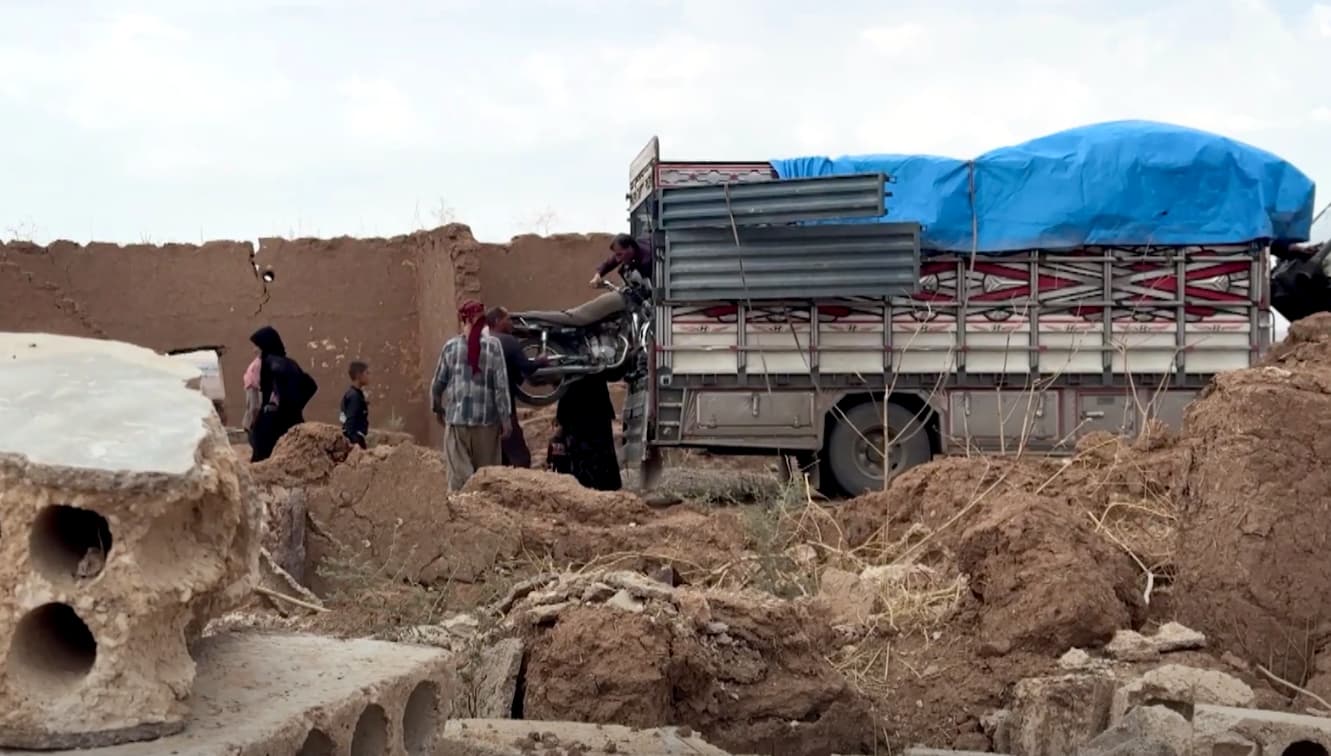
So far, the fires have destroyed over 10,000 hectares of forest and farmland, severely impacting thousands of livelihoods, particularly those of olive farmers.
More than 1,100 people have also been displaced as a result of this crisis, underscoring the devastating effects of environmental hazards compounded by the lingering scars of Syria’s prolonged conflict.