
ERBIL, Kurdistan Region - Tensions persist in the predominantly Kurdish neighborhoods of Sheikh Maqsood and Ashrafiyeh in Syria’s northern city of Aleppo, as authorities in Damascus continue to impose a siege and cut electricity to residents.
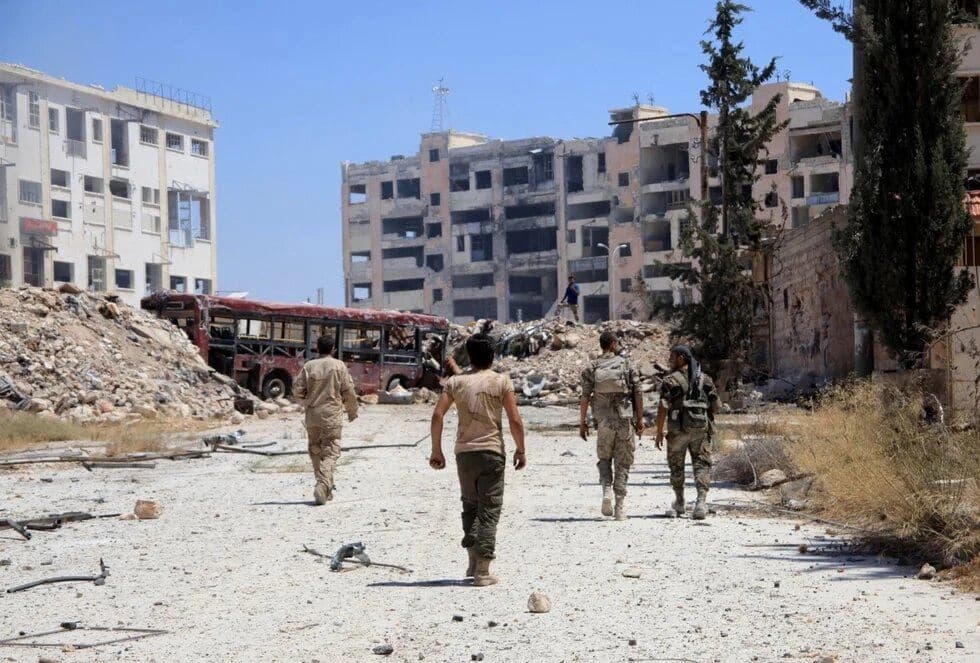
Clashes erupted on Monday between Kurdish Asayish forces and Syrian government troops and allied factions in the two neighborhoods, killing at least two people and injuring more than a dozen others. Among the dead was 57-year-old Fadwa Muhammad al-Kurdi. The wounded included a young girl and six members of the Kurdish internal security forces, according to the Kurdish-led Syrian Democratic Forces (SDF).
After several hours of heavy fighting, the Syrian government and the SDF agreed to a ceasefire.
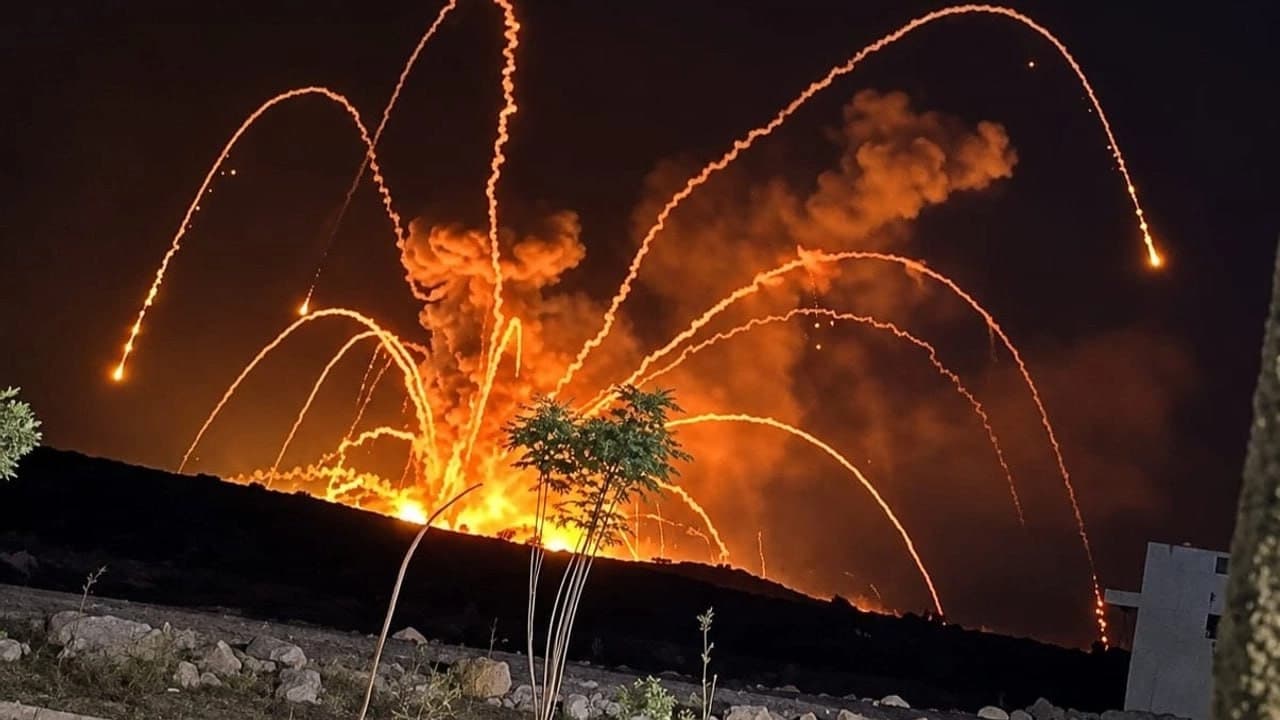
“The neighborhoods remain under siege, and power outages are ongoing,” Mohammed Aliko, head of the communications office of the Syrian Democratic Council (SDC) in the two neighborhoods, told Rudaw on Thursday. “At around 4 am today, a surveillance drone belonging to the Syrian government carried out a suicide attack in the Sheikh Maqsood neighborhood.”
The SDC is the political wing of the Kurdish-led SDF.
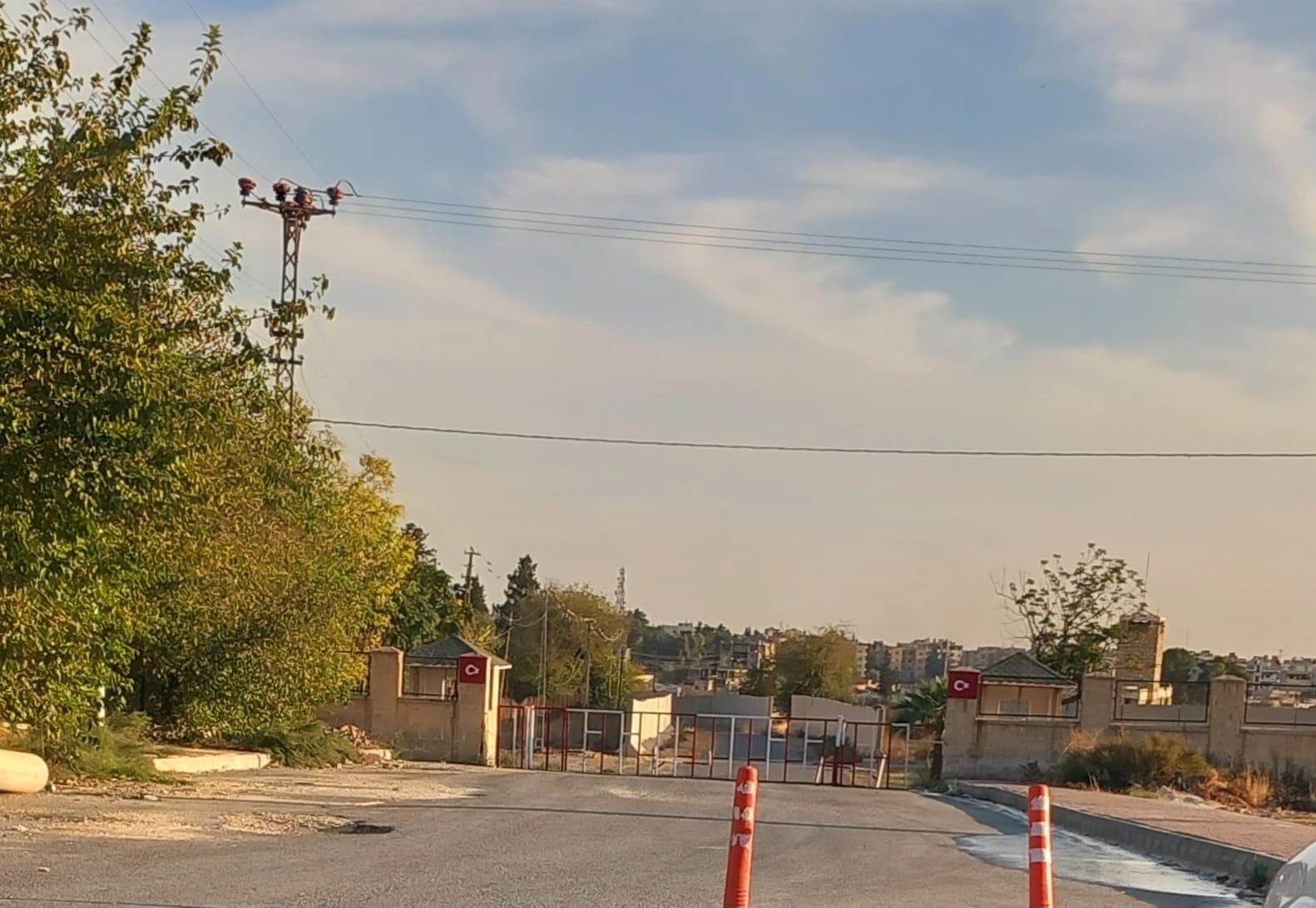
According to Aliko, two of the seven gates leading into the Kurdish neighborhoods have been completely closed, while movement through the remaining five gates is heavily restricted.
“No one is allowed to enter. People can only exit,” he said.
“Fuel and many other essential supplies are not permitted to enter Sheikh Maqsood and Ashrafiyeh,” Aliko added. “Only food and medicine are allowed in.”
Since the collapse of the former Assad regime last year, Kurdish-led forces - who maintain security control over the two densely populated neighborhoods, home to more than 1.5 million people - have repeatedly clashed with the new authorities in Damascus.
“Fighting has stopped, but the siege has not yet been lifted,” Aliko said.
Authorities in Sheikh Maqsood and Ashrafiyeh have warned that civilians face the risk of a “massacre” unless the siege imposed by Damascus is lifted.