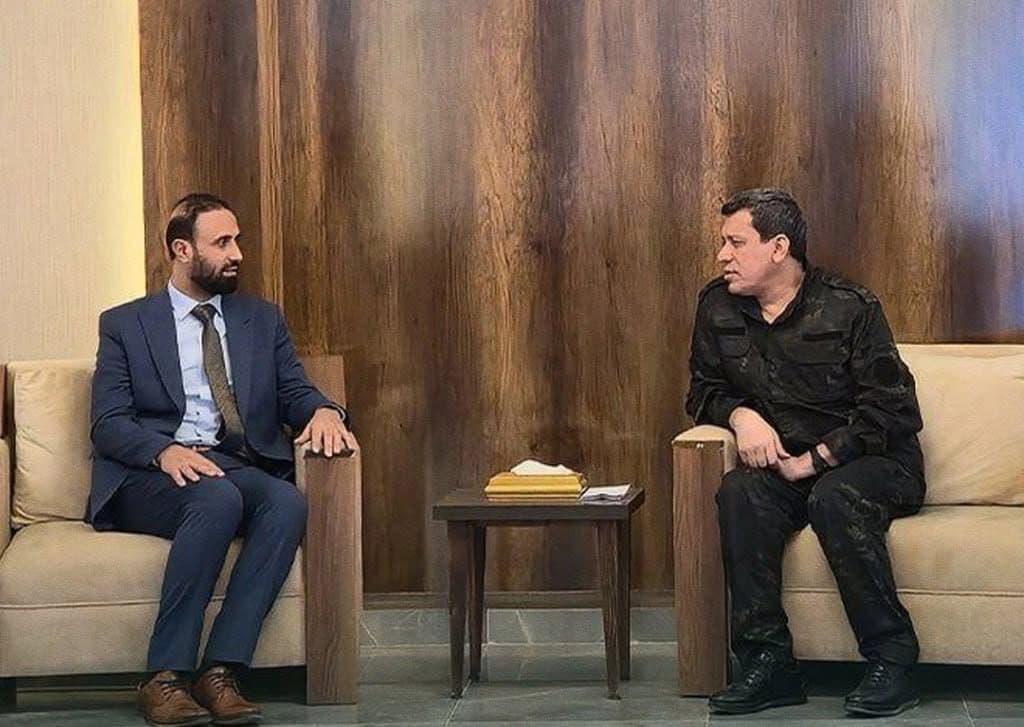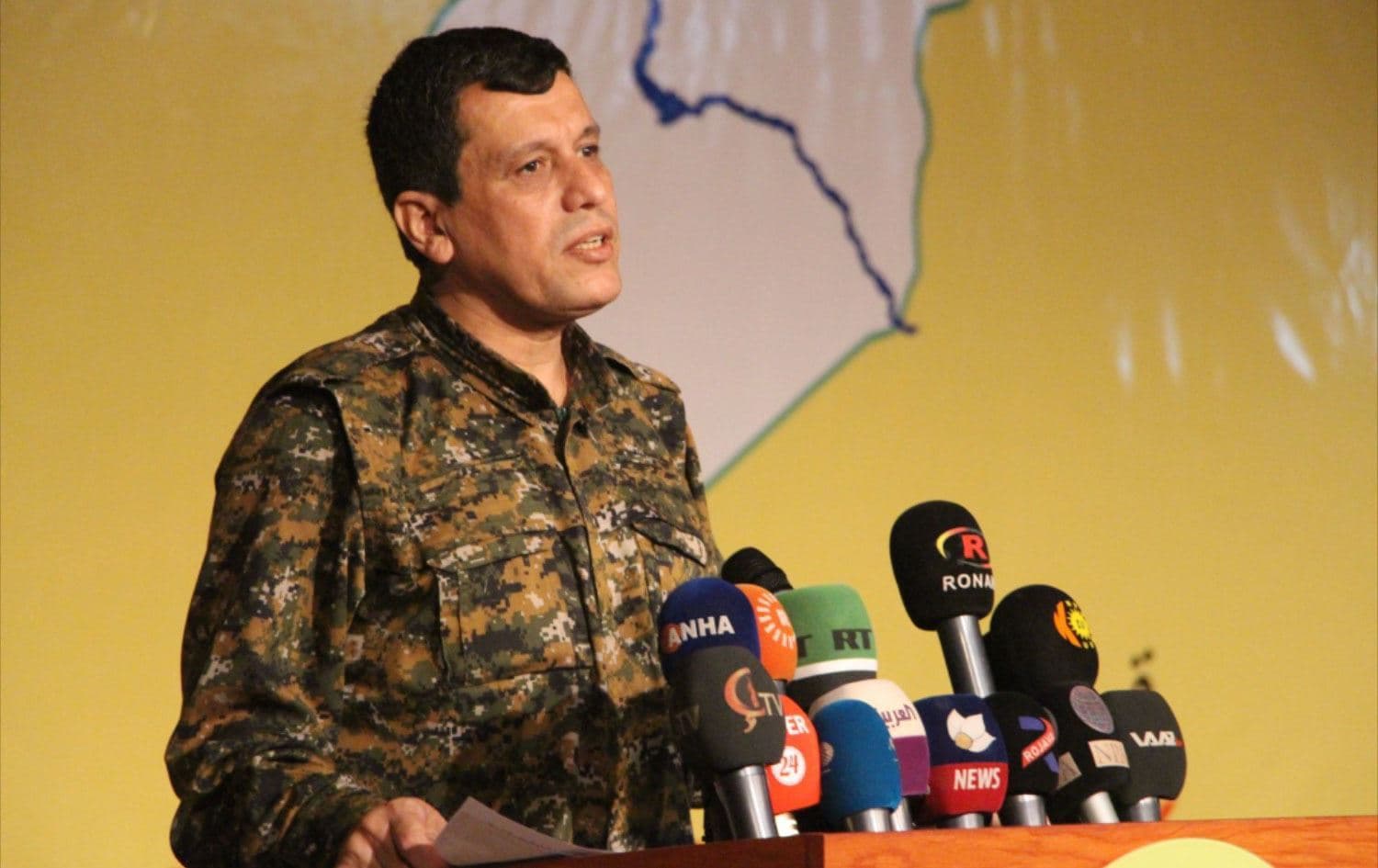

ERBIL, Kurdistan Region - Mazloum Abdi, commander-in-chief of the Kurdish-led Syrian Democratic Forces (SDF), said on Thursday that they have reached an understanding with the transitional government in Damascus about the future of the SDF and the Kurdish administration in northeast Syria (Rojava). He stressed that the new Syria should embrace decentralization, reported a Rojava media outlet.
“We have reached a mutual understanding regarding the integration of military forces in a way that serves the public interest,” pro-SDF Rojava TV cited Abdi as saying in a speech to an advisory meeting in Rojava, where the latest developments in Syria and the March 10 agreement between Abdi and Syrian interim President Ahmed al-Sharaa were discussed.
“There are constitutional issues that require time to reach a solution encompassing all of Syria,” Abdi added. “We believe that the solution in Syria must be decentralized.”
Some parts of the March deal have been implemented, including swapping of prisoners. However, there are disagreements on several issues, primarily the governance system. Damascus insists on a centralized government while Kurds and other minorities demand decentralization or federalism.
“The form of governance and the participation of all components are among the fundamental pillars, and this requires deeper dialogue to reach a constitution that reflects all aspirations,” Abdi noted.
Rojava shares borders with Iraq and Turkey. Abdi said there is “progress” regarding forming a “shared vision” on this matter.
Rojava and other SDF-held areas are rich with agriculture and natural sources. Most of the oil fields of the country are controlled by the Kurdish-led forces. The US has helped guard some fields.
Abdi said that all subsurface natural resources belong to all Syrians.
.jpeg&w=3840&q=75)