
ERBIL, Kurdistan Region - The United Nations Office on Drugs and Crime (UNODC) reported that one year after the fall of the regime of longtime Syrian dictator Bashar al-Assad in Syria, the large-scale manufacturing of Captagon has been disrupted.
In a research brief published on Monday, the UNODC said Syria dismantled “15 industrial-level laboratories and 13 smaller facilities for storage.” However, it added that “manufacturing of Captagon observed in the past outside of the country is likely continuing in the Middle East.”
According to the report, before Assad’s ouster, daily production of the narcotic “could have been millions of tablets,” and stockpiles from previous production “could sustain supply for a couple of years and feed ongoing trafficking across the region if not intercepted.”
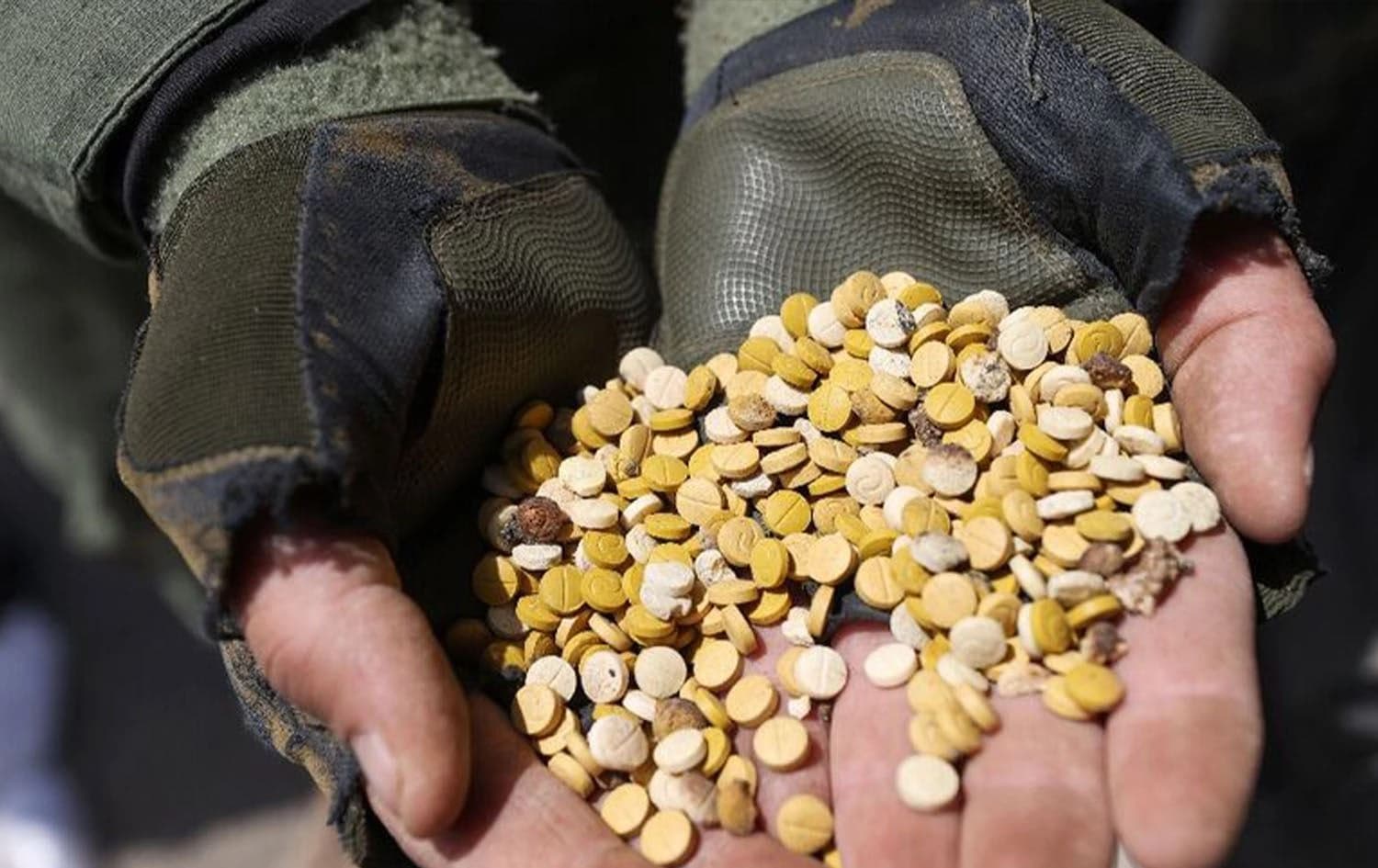
Captagon, a powerful amphetamine, has long posed major security and public health concerns across the region.
During Assad’s rule, Syria was widely recognized as a major hub for Captagon production and distribution. The trade became a political and economic tool for the Assad regime, with many analysts pointing to Maher al-Assad, the ousted president’s brother, as a key figure behind the industry.
In late October, Syrian state media reported that the country’s anti-narcotics forces had seized around 11 million Captagon pills trafficked from neighboring Lebanon.
The UNODC added Monday that “Gulf countries continue to be the primary destination market for Captagon,” noting that signs of shortages have appeared in the “destination markets.”
The Office further confirmed that it managed to “verify data of a minimum of 177 million tablets, equivalent to 30 tons, that have been intercepted across the Arab region.”
The report further noted that “traffickers continue to explore new routes and are now also using a set of diversion and repackaging points,” including routes through Western and Central Europe and North Africa.
The UNODC cited Bo Mathiasen, its operations director, as saying that “countries are collaborating, sharing intelligence and running joint operations, leading to record seizures in 2025.”
Iraq has long served as a transit route and, more recently, as a destination market for the codrug.
Baghdad’s interior ministry on Monday announced the arrest of four “internationally wanted” suspects and the seizure of 200,000 Captagon pills during a joint security operation carried out in coordination with Syria.
However, in recent years, Iraqi authorities have intensified their efforts to combat drug trafficking.
In late November, the interior ministry said Iraqi authorities had dismantled more than 1,200 drug trafficking and promotion networks over the past three years, including 171 international groups. It also reported seizing more than 14 tons of narcotics and issuing over 2,300 drug-related court sentences, including 300 death penalties.