
ERBIL, Kurdistan Region - A group of 55 Syrians have returned to their hometowns from a camp in northeast Syria (Rojava) that houses individuals with reported links to the Islamic State (ISIS), an official from the Kurdish-led administration in Rojava told Rudaw on Sunday, adding that the release is the third of its kind since the beginning of the year.
Sheikhmous Ahmed, head of the Office for Displaced Persons and Refugees - an affiliate of the Democratic Autonomous Administration of North and East Syria (DAANES) - said that “twelve families, totaling 55 individuals, were released from the al-Hol camp and returned to their home regions.”
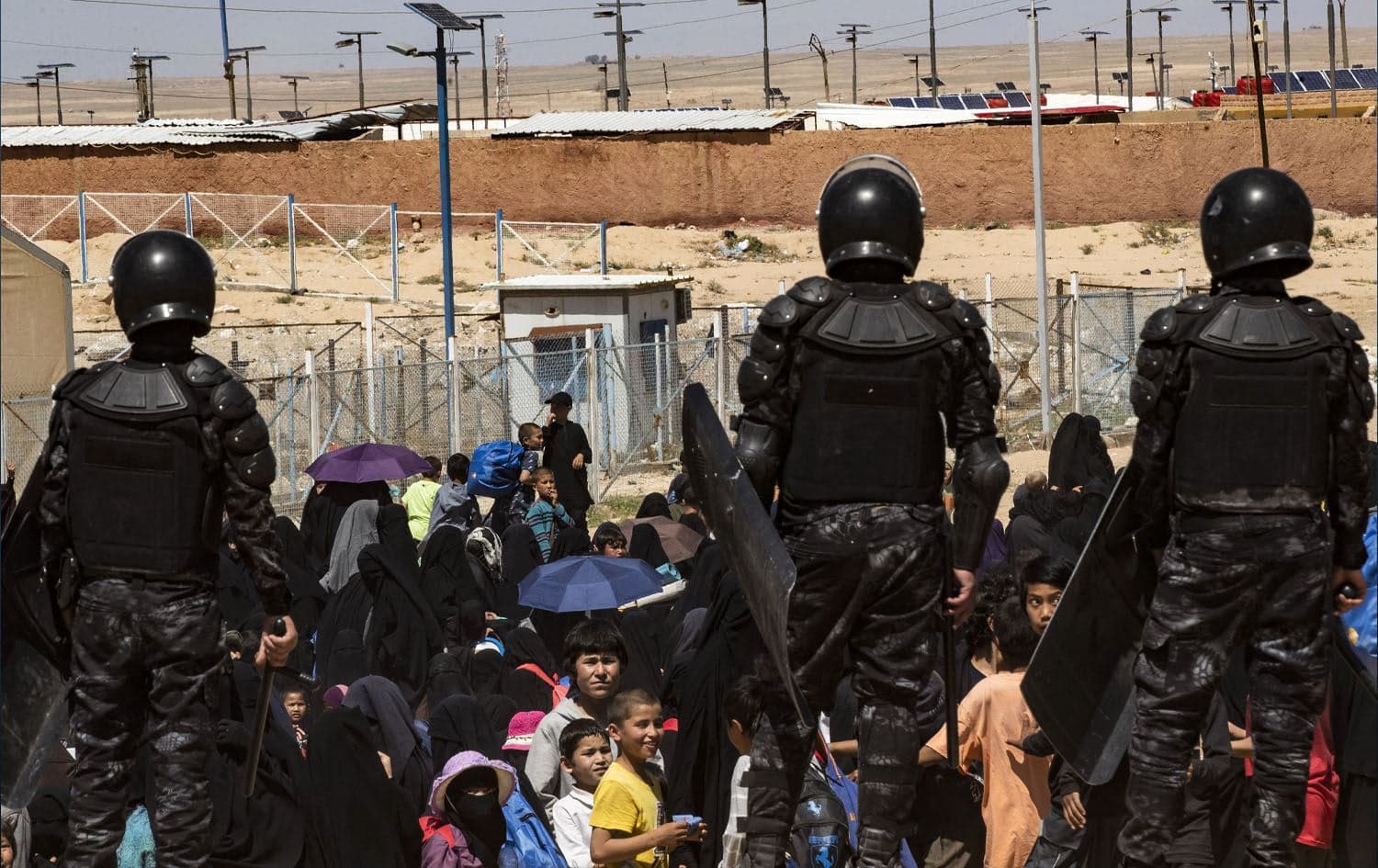
Located in Rojava’s eastern Hasaka province, al-Hol camp remains one of the largest and most volatile displacement sites in the region. As of September, Rudaw learned that the camp housed around 27,488 people - approximately 7,770 families - composed mainly of women and children with alleged ties to ISIS. The population includes around 15,233 Syrians (about 4,200 families) and 5,854 Iraqis (around 1,655 families). The rest are from numerous countries from across the world.
Hol camp is infamous for its squalid conditions and has frequently been described as a breeding ground for extremism.
Ahmed, who oversees all internally displaced persons (IDPs) and refugee camps in Rojava, told Rudaw Sunday that the latest release was coordinated with the United Nations High Commissioner for Refugees (UNHCR), adding that the individuals “were returned to their areas for humanitarian reasons.”
He noted that this was the third such release in 2025, explaining that the returnees would go back to their provinces of origin, including Aleppo and Idlib in northern and northwestern Syria, Daraa and Deir ez-Zor in the south and east, and Homs and Hama in central Syria.
In addition to al-Hol, another smaller facility - Roj camp, also located in Hasaka - holds around 2,600 foreign nationals linked to ISIS. Roj is generally considered less volatile than al-Hol, and some detainees have been transferred there for security or potential rehabilitation purposes.
Both camps are controlled and secured by the Kurdish-led Syrian Democratic Forces (SDF) and their internal security units (Asayish). Backed by the US-led Global Coalition Against ISIS, the SDF has managed these facilities since ISIS’s territorial defeat in Syria early 2019.
The SDF has repeatedly stressed that the ongoing security and humanitarian burden at the camps is unsustainable, urging foreign governments to repatriate their citizens and work toward a lasting solution to the crisis.