Syria
An Israeli soldier stands at a lookout point in the Israel-annexed Golan Heights overlooking south Syria, on March 25, 2025. Photo: Jalaa Marey/AFP
ERBIL, Kurdistan Region - At least six Syrian army troops were killed in Israeli strikes near Damascus late Tuesday, a war monitor reported, with another Israeli attack earlier in the day having triggered regional condemnations.
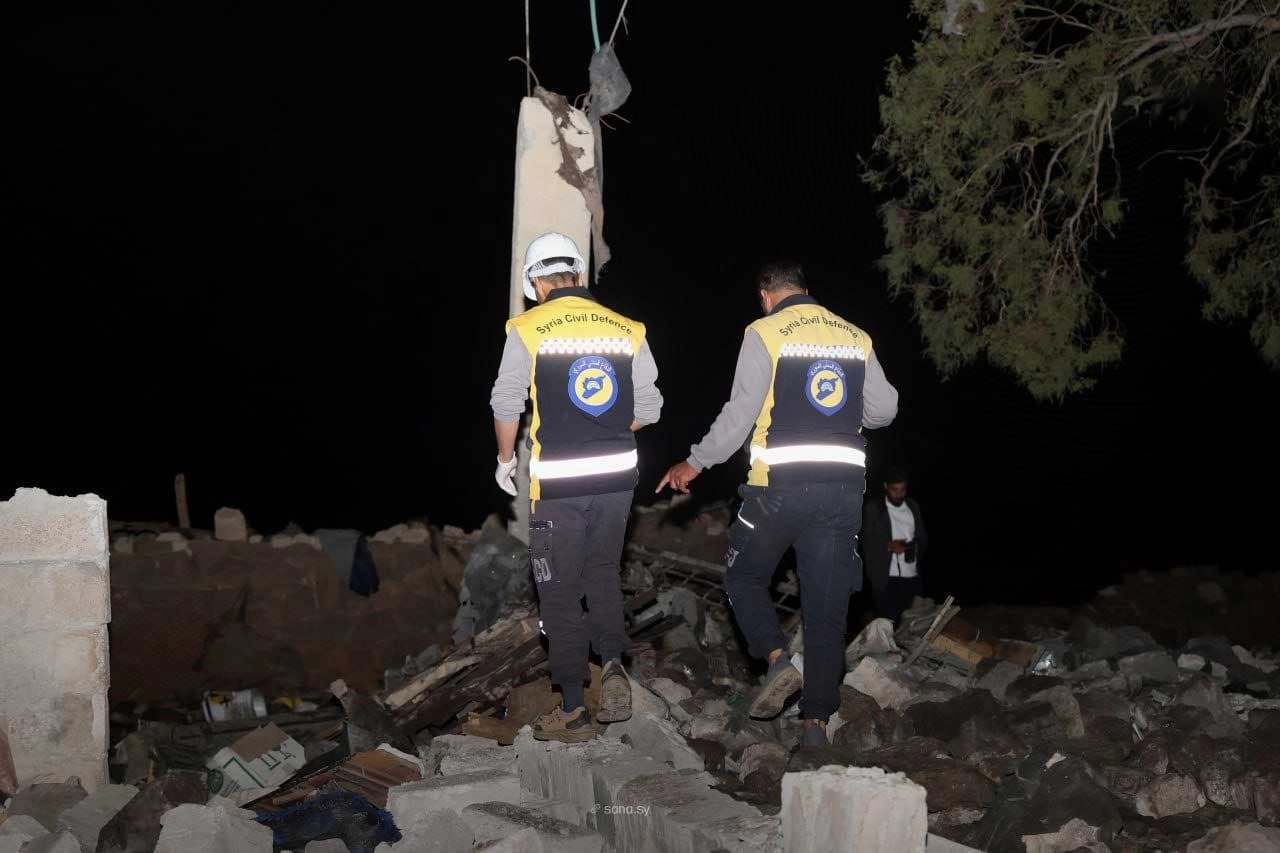
“The death toll has risen to six as a result of two Israeli attacks, which targeted a military site and paramedics who rushed to inspect the site of the first strike in the vicinity of al-Kisweh in southwestern Damascus,” said the Syrian Observatory for Human Rights, a Britain-based war monitor.
The monitor said that the strikes, which targeted a military building of the Syrian army’s 44th Division, also injured three soldiers. At least one of the dead was a commander.
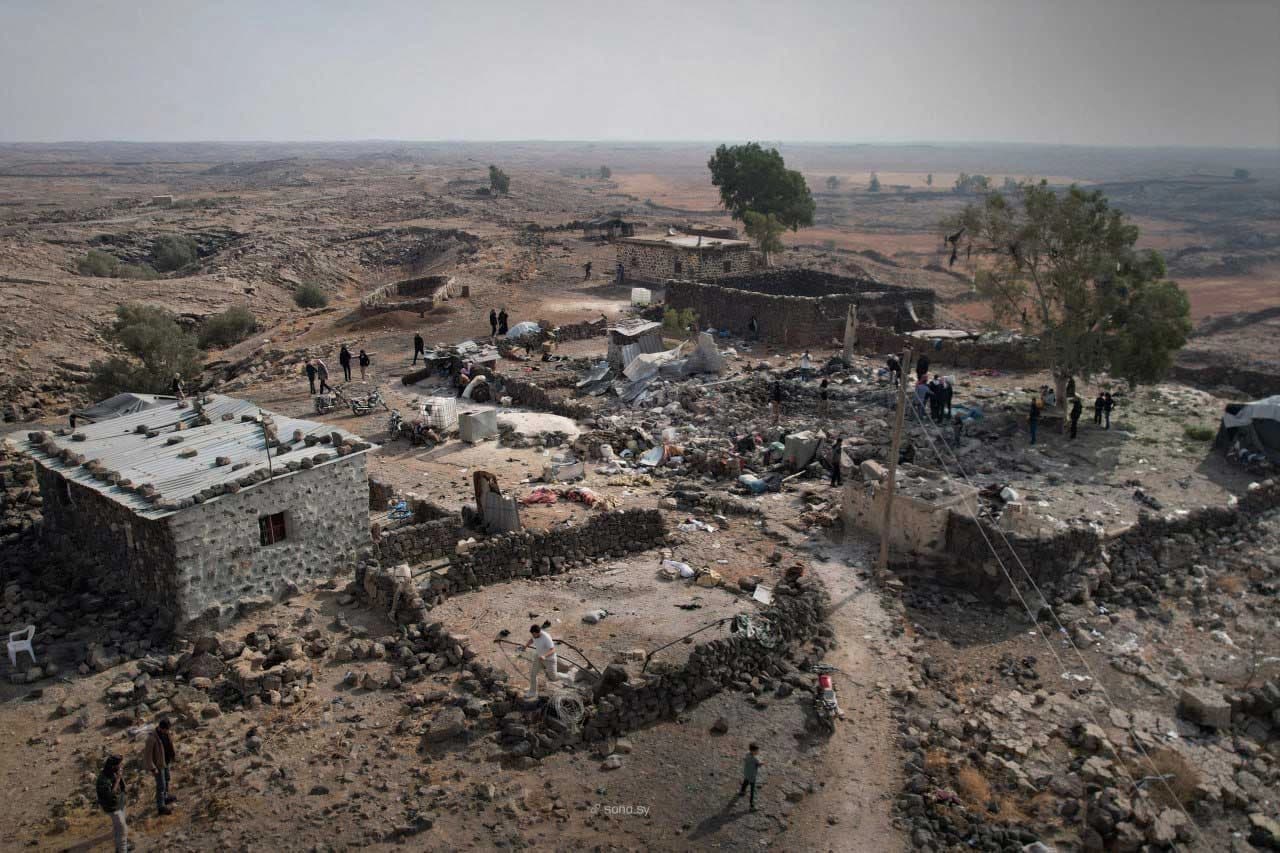
Earlier on Tuesday, an Israeli strike on southern Syria left one dead. The attack triggered mass condemnations from regional countries, including Turkey, Saudi Arabia, Qatar, Kuwait, Jordan, and the UAE.
Ankara, a key Damascus ally, stressed that the Israeli attacks “must be brought to an end,” slamming Tel Aviv’s “expanding” attacks on Syria as a violation of the country’s “territorial integrity, unity, and sovereignty.”
In early December, a coalition of opposition forces - then spearheaded by the now-dissolved Hay’at Tahrir al-Sham (HTS) under Ahmed al-Sharaa - launched a swift offensive that toppled the regime of longtime Syrian dictator Bashar al-Assad. Sharaa became Syria’s interim president in late January.
Since then, Israel has intensified efforts to destroy Damascus’s military stockpiles, and its forces have entered buffer zones east of the Israel-annexed Golan Heights.
Israel captured most of the Golan Heights from Syria during the 1967 Six-Day War. In 1974, a US-brokered Disengagement Agreement created a UN-monitored buffer zone to delineate separation lines between Syrian and Israeli forces without establishing formal peace.
Last week, Syrian Foreign Minister Asaad al-Shaibani met Israeli Strategic Affairs Minister Ron Dermer in Paris to push for a return to the 1974 agreement. The meeting came as Damascus struggles to maintain control over Druze-majority areas in the south.
Israel has launched 95 air and ground attacks on Syria since the beginning of the year, according to the Observatory. The attacks have killed at least 60 people, including 29 state-affiliated forces and 17 civilians.
“The death toll has risen to six as a result of two Israeli attacks, which targeted a military site and paramedics who rushed to inspect the site of the first strike in the vicinity of al-Kisweh in southwestern Damascus,” said the Syrian Observatory for Human Rights, a Britain-based war monitor.
The monitor said that the strikes, which targeted a military building of the Syrian army’s 44th Division, also injured three soldiers. At least one of the dead was a commander.
Earlier on Tuesday, an Israeli strike on southern Syria left one dead. The attack triggered mass condemnations from regional countries, including Turkey, Saudi Arabia, Qatar, Kuwait, Jordan, and the UAE.
Ankara, a key Damascus ally, stressed that the Israeli attacks “must be brought to an end,” slamming Tel Aviv’s “expanding” attacks on Syria as a violation of the country’s “territorial integrity, unity, and sovereignty.”
In early December, a coalition of opposition forces - then spearheaded by the now-dissolved Hay’at Tahrir al-Sham (HTS) under Ahmed al-Sharaa - launched a swift offensive that toppled the regime of longtime Syrian dictator Bashar al-Assad. Sharaa became Syria’s interim president in late January.
Since then, Israel has intensified efforts to destroy Damascus’s military stockpiles, and its forces have entered buffer zones east of the Israel-annexed Golan Heights.
Israel captured most of the Golan Heights from Syria during the 1967 Six-Day War. In 1974, a US-brokered Disengagement Agreement created a UN-monitored buffer zone to delineate separation lines between Syrian and Israeli forces without establishing formal peace.
Last week, Syrian Foreign Minister Asaad al-Shaibani met Israeli Strategic Affairs Minister Ron Dermer in Paris to push for a return to the 1974 agreement. The meeting came as Damascus struggles to maintain control over Druze-majority areas in the south.
Israel has launched 95 air and ground attacks on Syria since the beginning of the year, according to the Observatory. The attacks have killed at least 60 people, including 29 state-affiliated forces and 17 civilians.
Comments
Rudaw moderates all comments submitted on our website. We welcome comments which are relevant to the article and encourage further discussion about the issues that matter to you. We also welcome constructive criticism about Rudaw.
To be approved for publication, however, your comments must meet our community guidelines.
We will not tolerate the following: profanity, threats, personal attacks, vulgarity, abuse (such as sexism, racism, homophobia or xenophobia), or commercial or personal promotion.
Comments that do not meet our guidelines will be rejected. Comments are not edited – they are either approved or rejected.
Post a comment