ERBIL, Kurdistan Region - Families of captives detained by the Syrian interim government held a vigil on Monday in Qamishli city, northeast Syria (Rojava), demanding the return of their relatives as a prisoner exchange deal between Kurdish-led forces and Damascus proceeds slowly.
“It’s been four months since I last heard his voice,” Najla Mohammed, mother of a Kurdish fighter, told Rudaw at the vigil. “I don’t know what to say, but I miss him terribly,” she added.
Syrian Democratic Forces (SDF) chief Mazloum Abdi said in March that around 1,100 SDF fighters and Kurdish civilians were captured by the Syrian interim government in January, when Damascus-affiliated forces launched a sweeping military campaign against the Kurdish-led group, seizing areas in eastern Aleppo, Raqqa, Deir ez-Zor, and parts of Hasaka province.
International mediation led to a 14-point agreement between the two sides, which included a gradual prisoner exchange and broader integration steps, such as forming three SDF brigades within the Syrian army and incorporating the Kurdish-led administration in Rojava into state institutions.
A total of 797 SDF fighters had been released by mid-April, but no timeline has been announced for the remaining roughly 300 detainees.
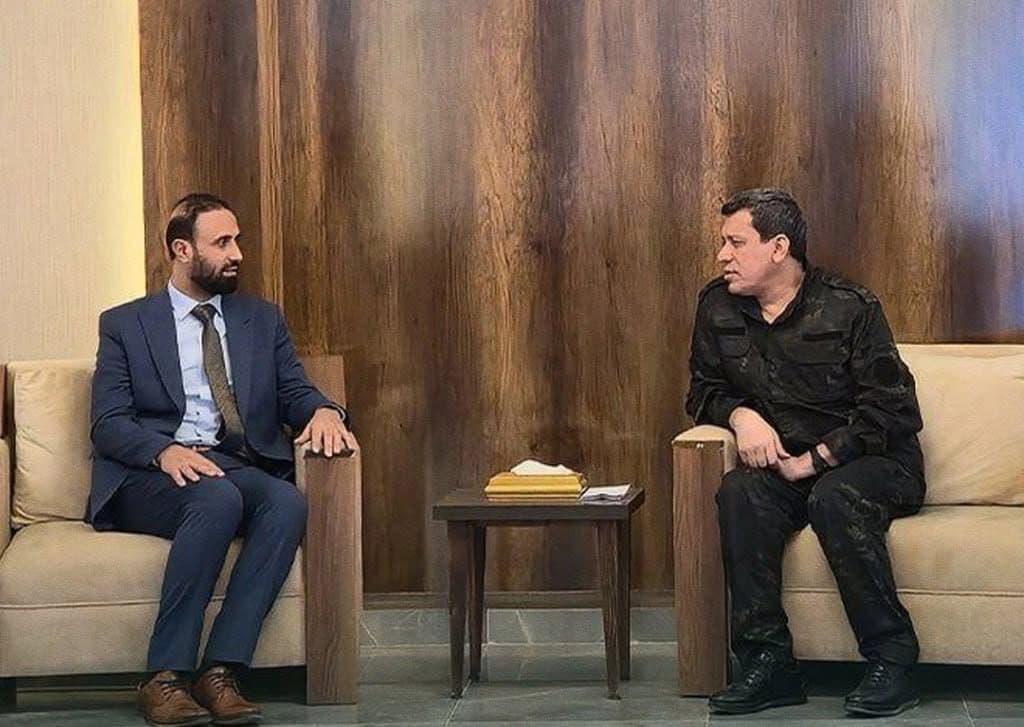
Ahmed al-Hilali, spokesperson for the Syrian presidential team overseeing the deal’s implementation, told Rudaw on April 14 that more than 1,500 detainees from both sides had been released.
“Nearly 300 SDF detainees will be released in the near future,” he added.
Meanwhile, Sherihan Hassan, the mother of two captives, said she is still waiting for their return.
“We have some news about my son, but I have heard nothing about my daughter,” she told Rudaw, adding that she does not know if her daughter is alive.
Viviyan Fatah contributed to this report from Qamishili, Rojava.
.jpeg&w=3840&q=75)