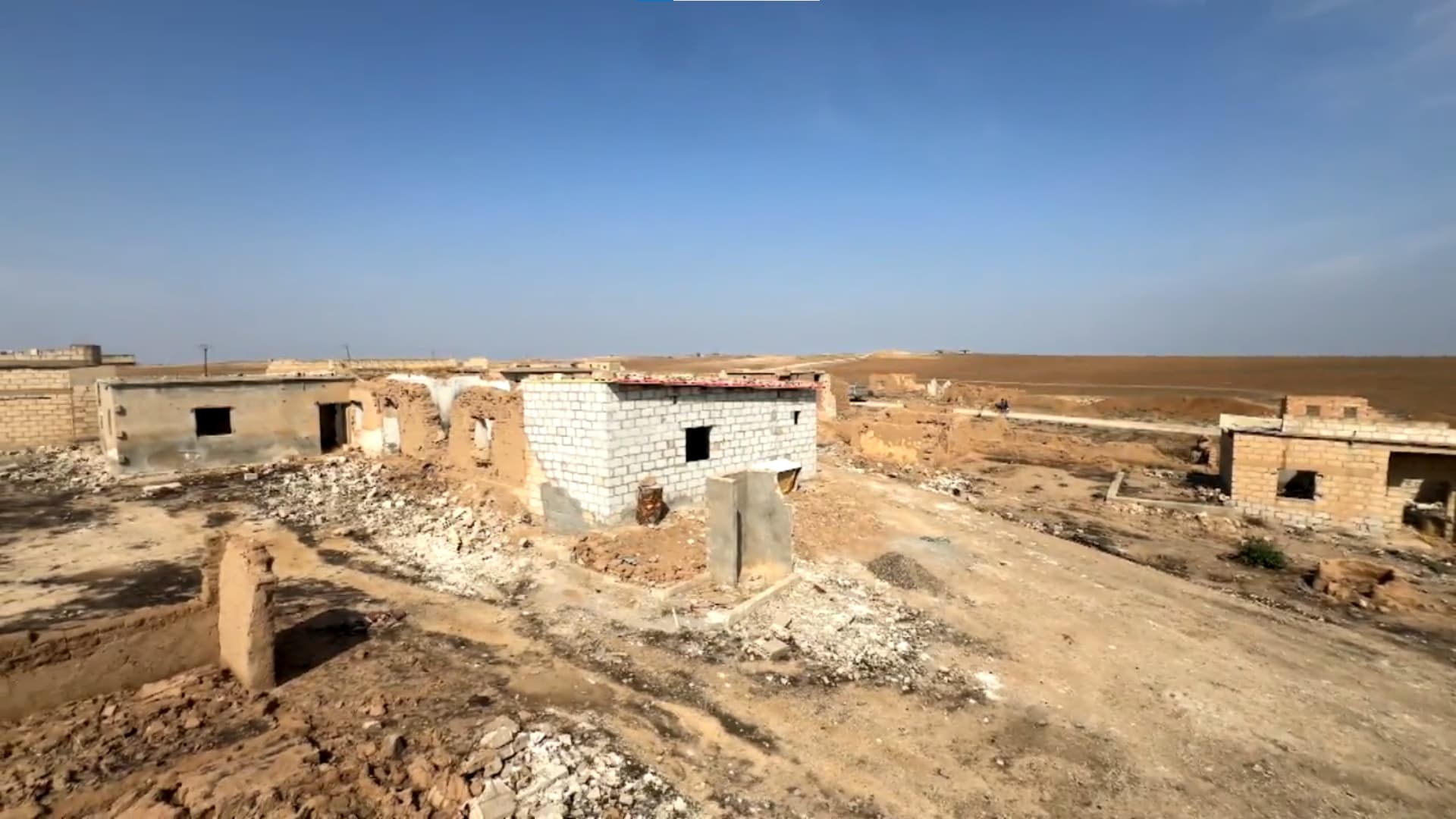
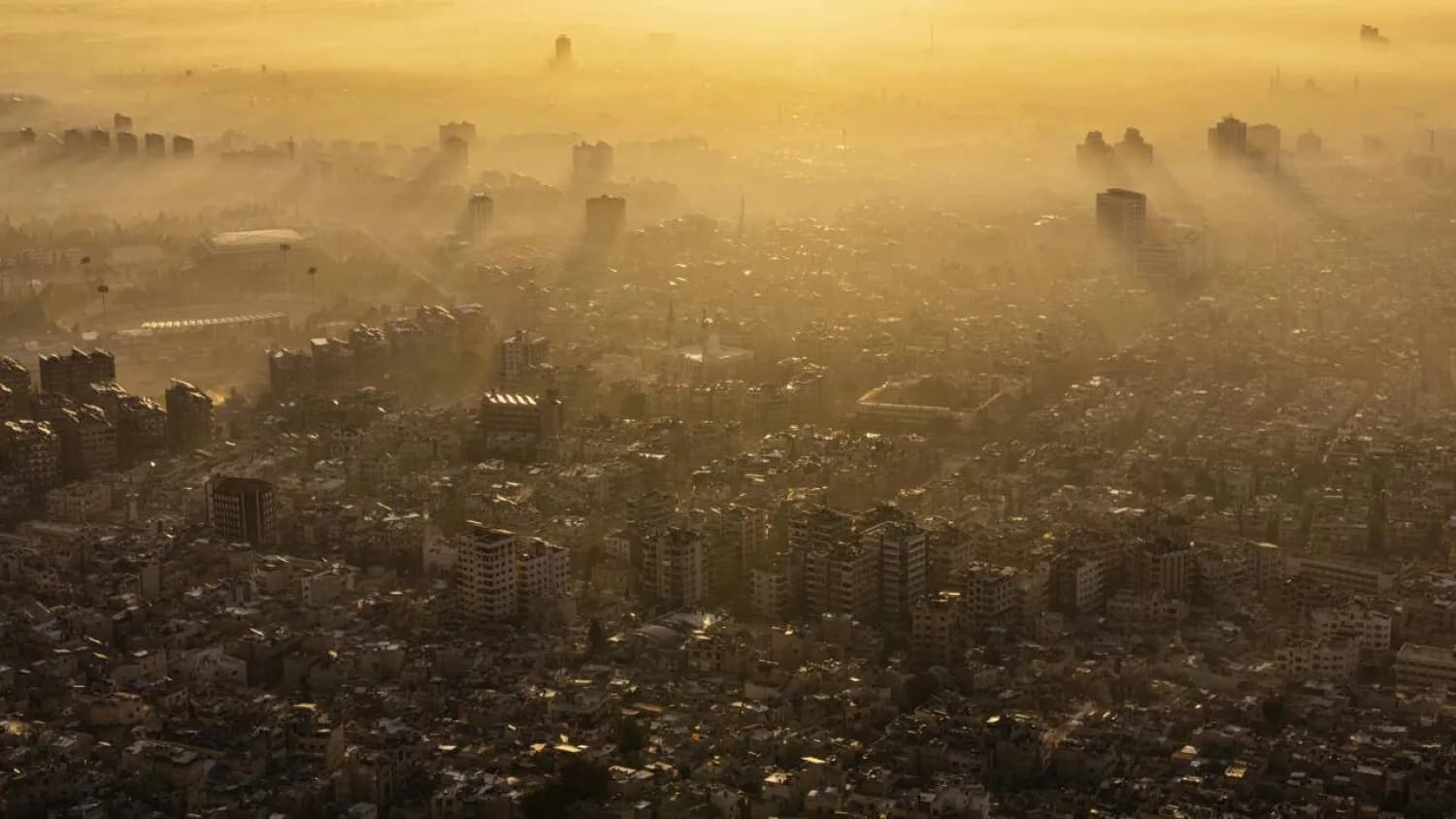
ERBIL, Kurdistan Region - The recent surge of sectarian violence in Syria’s Druze south and Alawite coastal areas, involving pro-Damascus forces, is raising alarm among Kurds in northeast Syria (Rojava), who fear similar unrest if a March deal with Damascus to integrate the Kurdish enclave’s civil and military institutions moves forward.
Deadly clashes erupted on July 13 in Syria’s Druze-majority Suwayda province between Druze fighters and Bedouin tribes.
United Nations Special Envoy for Syria Geir Pedersen reported Monday that the violence began with "mutual kidnappings,” quickly escalating into armed conflict. Government security forces deployed to de-escalate the situation were “attacked” by Druze groups, Pedersen said, while also noting “extremely grave reports of serious violations by security forces against Druze civilians.”
The UK-based Syrian Observatory for Human Rights (SOHR) reported a death toll of 1,120 by July 20 from the Suwayda violence. A fragile ceasefire is currently in place, with approximately 175,000 people displaced, the UN official said.
Earlier in March, violence broke out in the Alawite-majority coastal regions after loyalists of ousted dictator Bashar al-Assad attacked security forces aligned with Syria’s interim leadership. SOHR then-reported about 1,700 deaths - mostly Alawite civilians - with many casualties attributed to government or pro-government forces.
Kurdish concerns
In a Tuesday interview with Rudaw, a senior official from the Kurdish National Council (ENKS/KNC) - a major opposition coalition in Rojava - warned “big danger” is posed ahead of Kurds.
Luqman Oso, who heads ENKS office in Damascus, said the violence in Suwayda reflects the sectarianism “created by sectarian militias” in Syria. “This is a danger to the Kurdish people,” Oso warned, adding that “there must be Kurdish forces and we must protect our people and land in Syria.”
In early March, Syria’s interim President Ahmed al-Sharaa and Syrian Democratic Forces (SDF) commander Mazloum Abdi signed an agreement to integrate all civil and military institutions in Rojava under the Syrian state. The SDF serves as the de facto army of Rojava.
The Kurdish-led Democratic Autonomous Administration of North and East Syria (DAANES), which governs Rojava, has been holding talks with Syria’s interim government over the integration - including the future of the SDF.
Senior DAANES official Elham Ahmad told Rudaw last week that integrating the SDF into Syrian state institutions remains “up for discussions,” and will not simply involve surrendering weapons. “It won’t be, ‘bring all these fighters you have and hand them over and thank you,’” she said.
Ahmad emphasized that Rojava’s interpretation of integration differs from Damascus’s, asserting that the interim government “must recognize the will” of the people of Rojava.
Shalal Gado, ENKS leadership member in Erbil, told Rudaw on Tuesday that the SDF “will not lay down arms, this was not in the [March] agreement.” He said the SDF may become part of the Syrian army, but added, “How will they integrate? As a bloc or as individuals?” Gado suggested the SDF is more likely to join as a bloc.
Refugees react
Meanwhile, several Rojava refugees in Erbil expressed concern to Rudaw on Tuesday about reports suggesting the SDF may disarm.
Fathi Hussein, a refugee from Rojava living in Qushtapa camp, 25 kilometers south of Erbil, said, “What happened to the Alawites and the Druze will be done to the Kurds as well - and even worse.” He added that the SDF “cannot surrender weapons” and should only integrate in a way that preserves their unique identity and role.
Another refugee at the camp, Sulaiman Khalil, said the SDF “should not lay down arms” until a final agreement is reached between Damascus and Rojava under the Abdi-Sharaa deal.
Of note, SDF chief Abdi on Tuesday stated that communication with the Syrian government is ongoing, and voiced support for “the unity of Syria with one army and one flag,” with centralization of some sovereign institutions in Damascus. Speaking to Saudi state-owned al Arabiya, he emphasized that the SDF seeks to “become part of a new Syrian army” through a political solution that secures their constitutional rights.
UN envoy Pedersen on Monday acknowledged ongoing “difficulties” in implementing the Abdi-Sharaa agreement, urging both sides to compromise and “build trust and confidence” to achieve the shared goal of full implementation by the end of the year. He noted that preparations are underway for a high-level meeting between both sides in Paris to advance the talks.