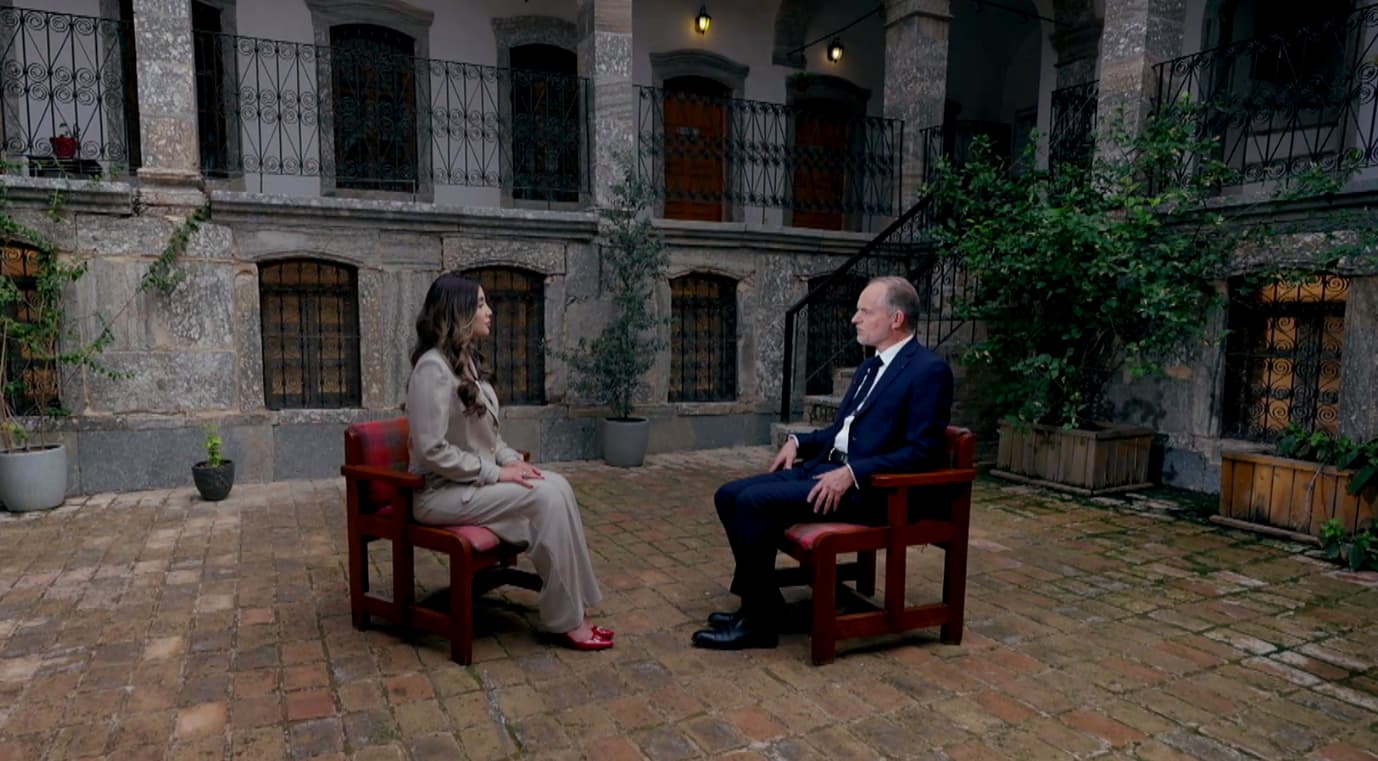

ERBIL, Kurdistan Region - Members of the US Congress support “federalism” in Syria, an official representing the Kurdish-led administration of northeast Syria (Rojava) in Washington told Rudaw on Monday, as the debate over Syria’s future political system continues.
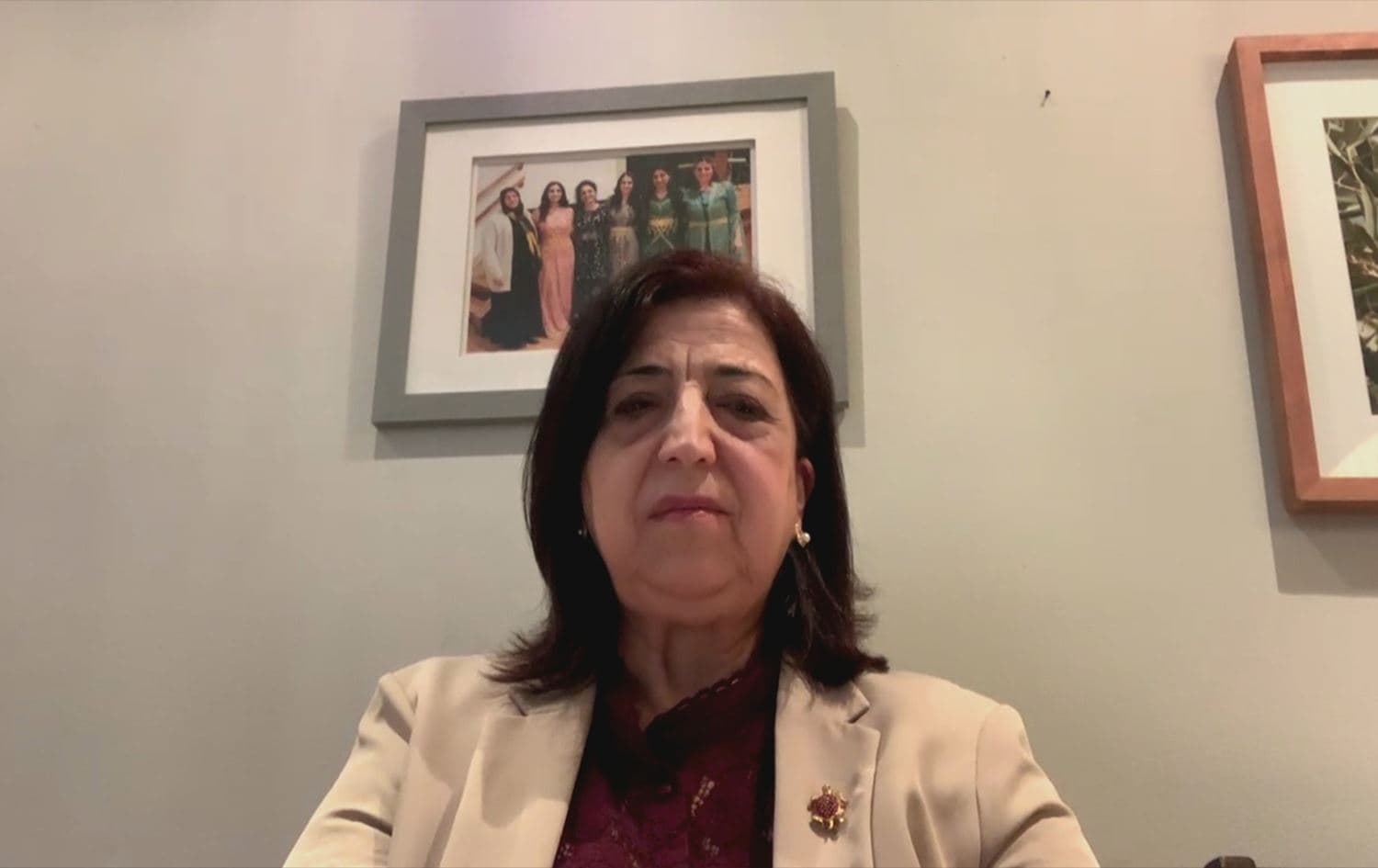
“Members of the US Congress support autonomy or federalism in Syria,” said Sinam Mohamad, the representative of the Syrian Democratic Council (SDC) - the political arm of the Kurdish-led Syrian Democratic Forces (SDF) - in Washington.
Of note, the SDF serves as the de facto military force in Rojava and continues to be the main ally for the US-led Global Coalition to Defeat the Islamic State (ISIS).
Mohamad further warned that a centralized system of governance “will not succeed” in the new Syria and could even lead to “a civil war.” Mohamad emphasized that “a decentralized system is fundamental and is the only option that can bring peace and solutions to the country.”
Importantly, Mohamad’s remarks came a day after US Special Envoy for Syria Tom Barrack told reporters in Doha on Saturday that “decentralization has never really worked anywhere in this region,” citing the Balkans, Lebanon, Iraq, and Libya as examples.
However, the senior SDC figure argued that “members of the US Congress support the SDF and the Kurdish people” in their push for decentralization, and “recognize that the SDF fought a great war against terrorism, earning them the right to pursue autonomous or decentralized status.”
Mohamad argued that “the majority [of US lawmakers] support a decentralized system, and some even argue that a federal system is the best solution for Syria.”
“America is not against autonomy,” she affirmed.
The regime of longtime Syrian dictator Bashar al-Assad was toppled in a swift offensive by a coalition of opposition forces in December 2024. Since then, Syria’s Kurdish, Alawite, and Druze communities have urged the adoption of a decentralized system of governance, citing decades of repression and marginalization under the Assad-led Ba’ath regime.
These calls intensified after minority violence killed around 800 civilians in the Druze-majority Suwayda province in mid-July, and nearly 2,000 others in Alawite-majority coastal regions in March, according to war monitors.
Mohamad lamented, “Unfortunately, a monolithic government has emerged, and attacks have been carried out against Alawites, Druze, and Christians.” She further condemned the assaults on minority communities, stating that the violence “is far from what the Kurdish population and Syria’s communities had hoped for.”
The senior SDC figure reaffirmed the readiness of the SDC, the SDF, and the Kurdish-led Democratic Autonomous Administration of North and East Syria (DAANES) in Rojava to “assist the transitional government so that we can bring Syria toward peace and stability.”
SDF Commander Mazloum Abdi and Syria’s interim President Ahmed al-Sharaa signed a landmark agreement on March 10 aimed at bringing all civil and military institutions in Rojava - including the SDF - under centralized state control and establishing a nationwide ceasefire.
Talks to implement the agreement have continued since March, though disputes have arisen over how integration should occur. While the Kurdish side has advocated integrating the SDF as a unified bloc, Damascus has favored absorbing Kurdish fighters individually and dispersing them across regular army units.
Mohamad told Rudaw that “the accord is still in effect and has great importance for preventing civil war,” while emphasizing that national dialogue remains a viable solution after the attacks on the country’s diverse ethnic and religious communities come to a complete halt.
“The Damascus government must change its policies,” she affirmed.
Nalin Hassan contributed to this article.