ERBIL, Kurdistan Region - A senior Kurdish lawmaker in Turkey has said the Turkish parliament should pass “a comprehensive law” to grant the right of return to all members and commanders of the Kurdistan Workers’ Party (PKK) based in the Kurdistan Region’s Qandil mountains, those in Europe, as well as release political prisoners.
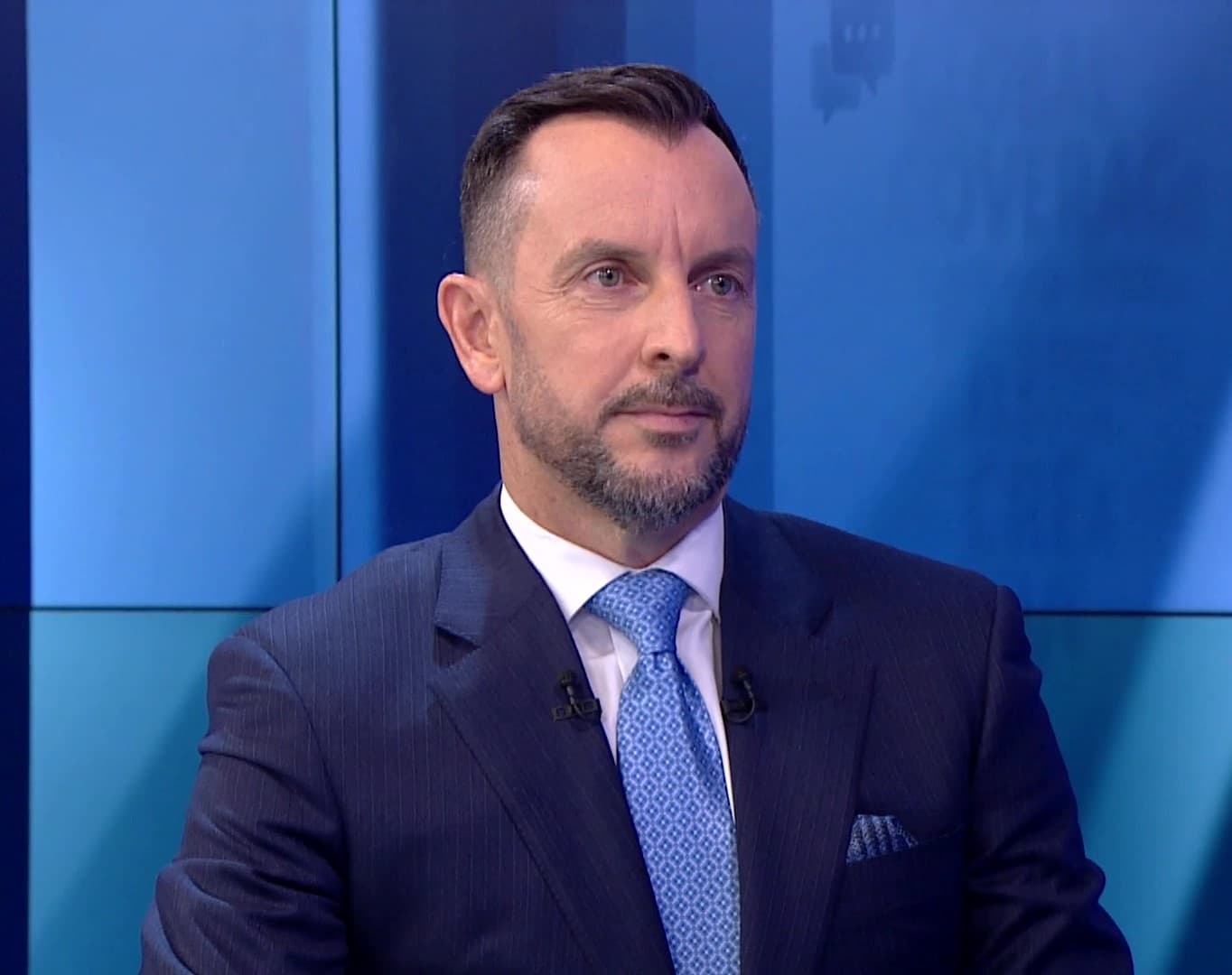
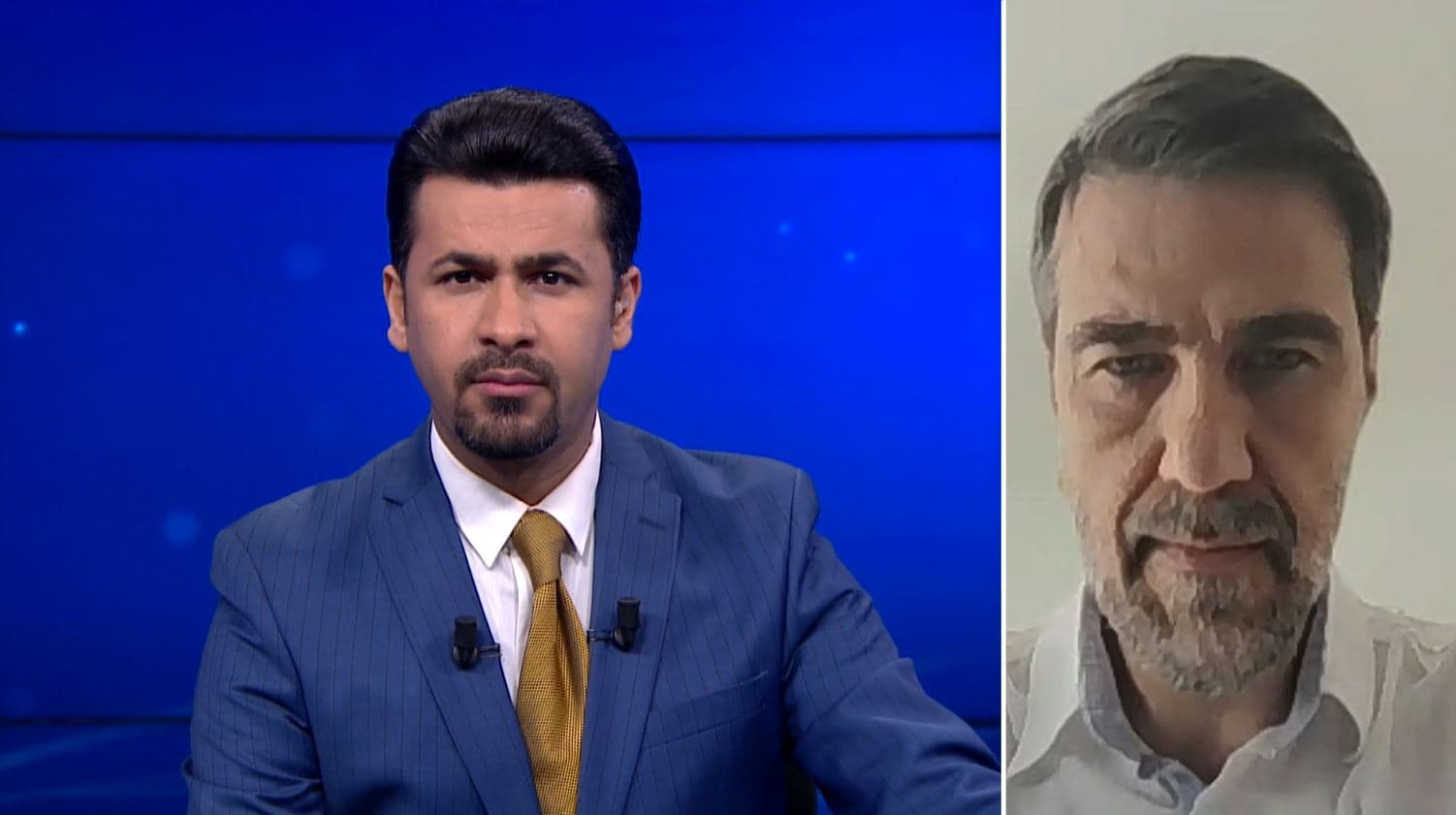
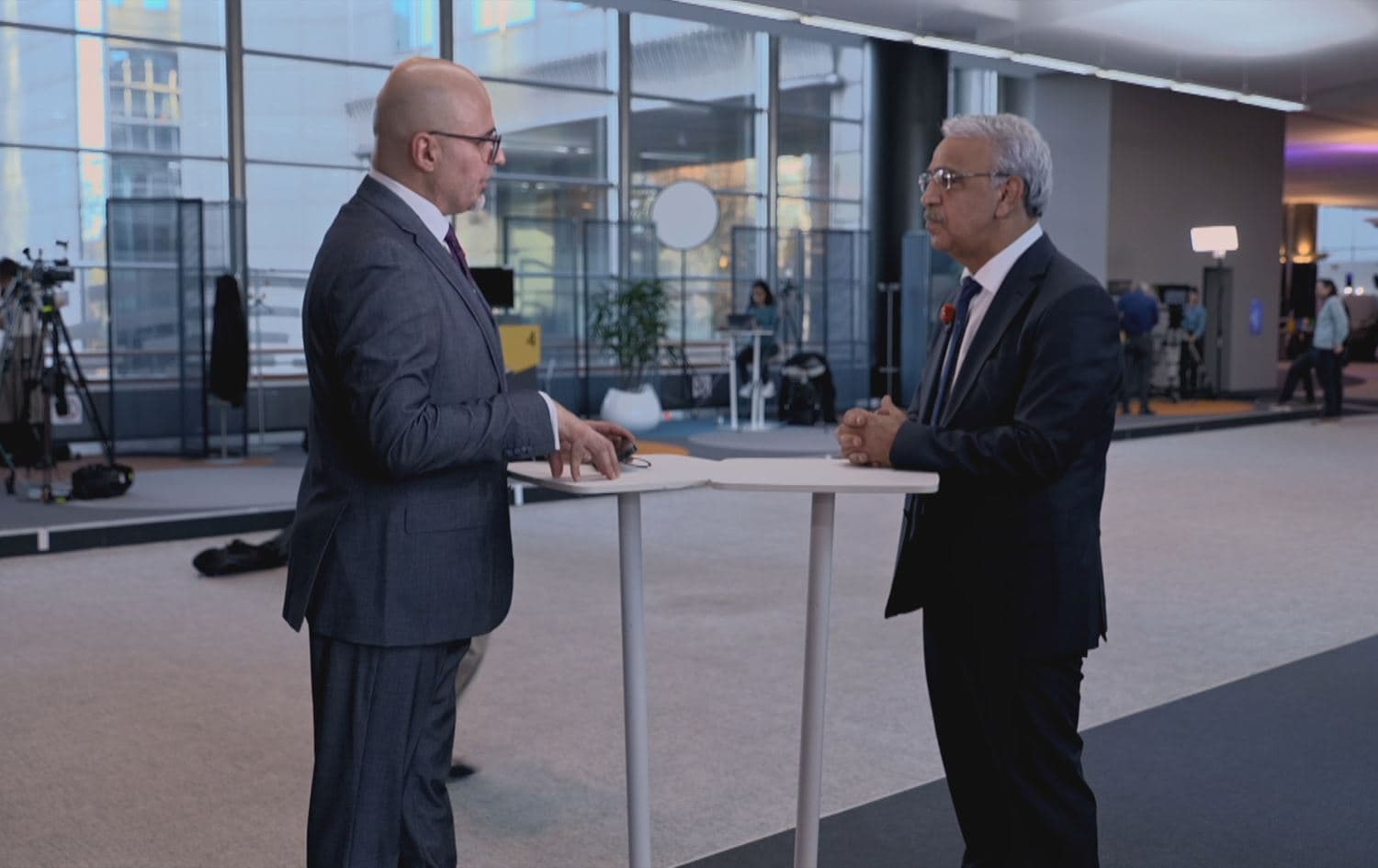
In an interview with Rudaw’s Zinar Shino in Germany on Wednesday, Mithat Sancar, a lawmaker from the pro-Kurdish DEM Party in the Turkish parliament, addressed several key issues related to the ongoing peace process, including an upcoming message from jailed PKK leader Abdullah Ocalan.
Sancar said Ocalan’s message will be made public during a press conference scheduled for February 27, marking the first anniversary of his historic 2025 call for the PKK to lay down its arms and disband - a move widely seen as ending a four-decade insurgency against the Turkish state.
“Mr. Ocalan has a message, and it will be read,” Sancar said. “But we will leave the content of the message to the press conference. On the 27th of this month, the anniversary of the February 27, 2025 call, we will hold a press conference and share Mr. Ocalan’s message with the public.”
Sancar, who is also a member of the Imrali delegation - a group involved in contacts with Ocalan - discussed broader developments in the peace process, including a recent parliamentary report outlining a framework for the reintegration of former PKK members into Turkish society.
The PKK agreed last year to lay down its arms after decades of conflict. In addition to Turkey, PKK members are present across the region, including in the Kurdistan Region’s mountainous Qandil area.
On February 18, Turkish lawmakers approved a report setting out measures for PKK fighters who renounce violence to reintegrate into society. The proposal, however, stops short of offering a general amnesty.
The report was endorsed by the Turkish parliament’s National Solidarity, Brotherhood and Democracy Committee, chaired by parliamentary speaker Numan Kurtulmus since its establishment in early August.
Kurdistan Region President Nechirvan Barzani on Wednesday welcomed the report, describing it as a “path toward peace.”
Turkish President Recep Tayyip Erdogan also praised the initiative, calling it a “roadmap” and an “important achievement” that could accelerate the reconciliation process. In a statement posted on X shortly after the vote, Erdogan commended the parliamentary commission for producing a report “built on consensus.”
Turkey designates the PKK as a terrorist organization - a classification that carries severe penalties, including lengthy prison sentences and asset freezes for individuals found to be supporting the group. The imprisonment of PKK leader Abdullah Ocalan, along with other strict security measures, has long been regarded as a central challenge in efforts to reach a lasting peace.
The following is a transcript of the interview with DEM Party lawmaker Mithat Sancar
Rudaw: Let’s start with Mr. Ocalan’s message. Does he have a message for February 27?
Mithat Sancar: Of course, but I don’t want to talk about its content.
But does he have a message?
Of course he has a message, and it will be read. However, we will leave the content of the message to the press conference. On the 27th of this month, the anniversary of the February 27, 2025 call, we will hold a press conference and share Mr. Ocalan’s message with the public.
The Turkish parliament approved the commission’s report. What is the next stage? How will the process continue? It was said that the first phase was the report of the parliamentary commission and that the second phase would follow. Are there any signs of the next stage?
There is no specific timeline yet, or I can say that it has not been determined. The first phase began about a year and a half ago. It started with the initiative of Mr. Devlet Bahceli. He somehow appealed to Mr. Ocalan, and Mr. Ocalan accepted. A DEM Party delegation then visited Imrali and met with Mr. Ocalan. At that time, a message was prepared — the famous February 27 call, a call for peace and democracy.
That they should dissolve themselves?
Disband themselves and lay down their arms, or make a decision to disarm.
Mr. Sancar, the PKK announced its dissolution on May 12, 2025.
There was a party congress on May 5–7, and the statement was issued on May 12.
Devlet Bahceli says the KCK (Kurdistan Communities Union) must also dissolve itself. Do you think Ocalan will also call for its dissolution?
That was Bahceli’s statement before our visit. It is not our job to interpret every statement. We do not consider it appropriate to question these statements.
What will be done with the PKK guerrillas’ weapons? Will they be burned again?
This process is called the disarmament process. Of course, for that purpose, a legal framework is needed. In other words, the PKK has now decided to lay down its arms, and this is just a decision. Then, on July 11, a step was taken that was more than symbolic.
Yes… July.
A group of PKK fighters burned their weapons.
They burned their weapons?
Yes. Of course, this process must continue. Laying down arms is important in the first stage. Many people were waiting for the report of the parliamentary commission. I don’t want to say that the report clearly defined the framework and roadmap, but it did address them. In other words, the legal basis for the disarmament process must now be passed by parliament. Of course, there are many questions about what can be done regarding these individuals.
Will they be allowed to return home to Turkey?
Not only those in the mountains and Qandil, but also those in Europe.
Will they be allowed to return home?
There is a discussion about which method would be appropriate for this. We say there should be a comprehensive law that covers everyone. As you know, there are thousands of people behind bars.
I have a few short questions about the Constitution and legal frameworks. Do you believe that a legal framework will be established so that all PKK fighters and commanders can return and possibly participate in political activities?
There is a debate between power and politics. Power itself is not the goal but the result. Some people organize themselves and decide to engage in armed struggle. Why? Because they have political goals. They say they are waging an armed struggle for these political goals. Disarmament generally does not mean giving up those political goals. To put it briefly and clearly: when weapons are laid down and armed struggle ends, the goals are pursued through political, legal, and democratic means. That is why those who lay down their arms want to enter politics. Which formula will determine this, of course, will be discussed.
Will changes be made to the Constitution?
There is no need for constitutional changes for every aspect of this process. For some issues, there is no need to amend the Constitution. However, constitutional changes will probably be made.
Will a new constitution be written for Turkey?
The groundwork must first be laid. This means strengthening freedom of expression, ending violence, advancing the disarmament process, ensuring freedom of association, and improving democracy and freedom of opinion. In other words, people must be able to express themselves more freely in a peaceful environment in order to prepare a good constitution for the future.
Two final questions — we are under time pressure. Will Mr. Ocalan be given the “Right to Hope”?
The Right to Hope is in line with the decisions of the European Court of Human Rights. Whether it is expressed in this way or not is one of the topics discussed in the commission’s work. The report refers to the Right to Hope, meaning that rules and laws must be enacted in this direction.
Do you think Kurdish children in Turkey will be given the right to education in the Kurdish language, or is it too early?
We have been working on this and demanding it for a long time. For Kurdish to be officially taught as a mother tongue in schools, constitutional changes are needed, but they do not have to happen immediately. Until the Constitution is amended, the right to mother-tongue education should be allowed and expanded.
Mr. Sancar, thank you very much.