


Middle East

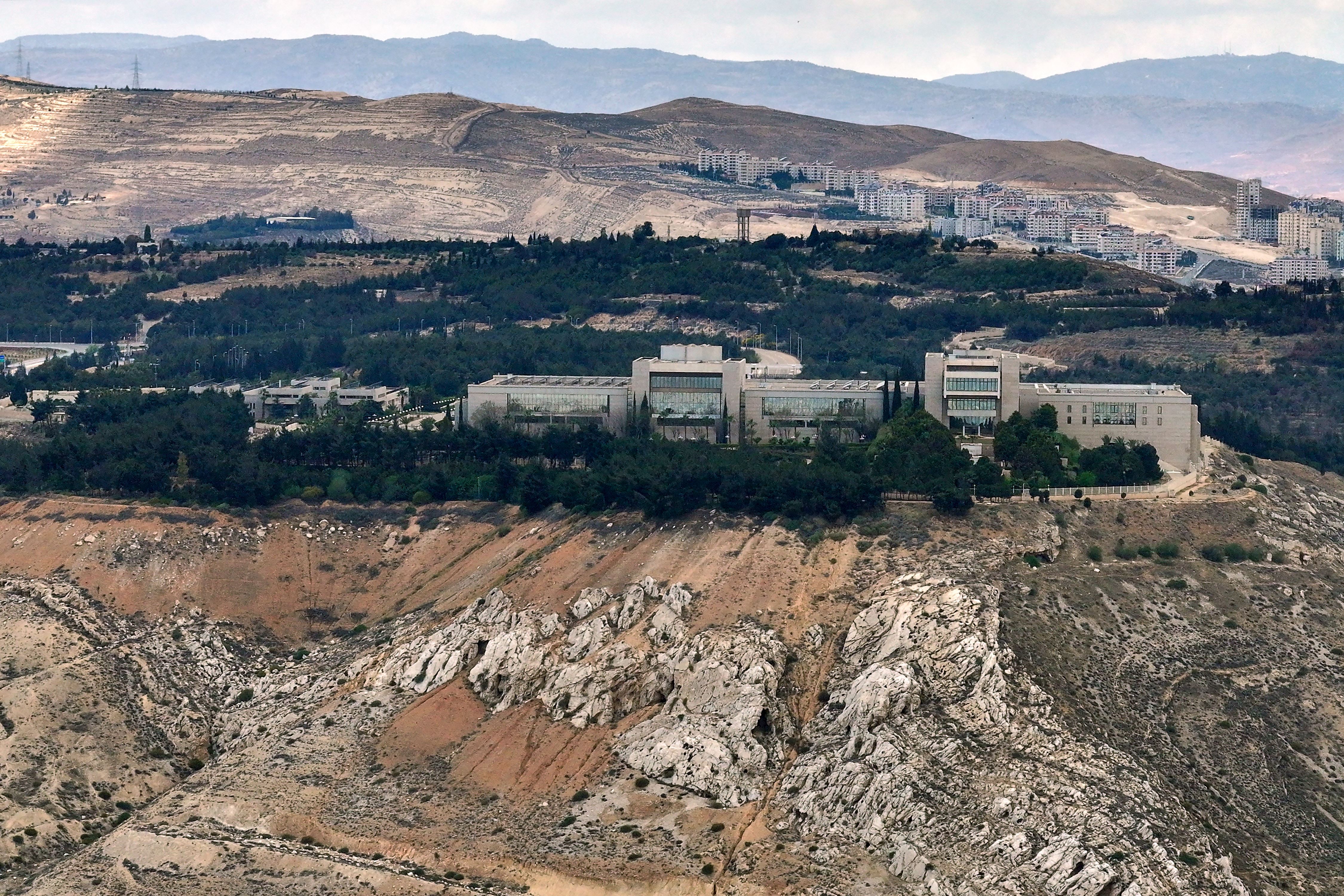
This aerial photo shows the Syrian presidential palace in Damascus' Mount Qasyoun on May 2, 2025. Credit: AFP
ERBIL, Kurdistan Region - Syria on Friday condemned Israel’s overnight strike near the presidential palace in Damascus and called on the international community to “stand by Syria in confronting these hostile acts.”
The strike was “a dangerous escalation against state institutions and its sovereignty,” said the Syrian presidency.
Israel said early Friday morning that its warplanes struck in the vicinity of the presidential palace in Damascus after warning the Syrian government not to deploy forces to Druze-majority areas in the south.
There are no reports of damage or casualties from the warning shot that hit an uninhabited area.
Israel’s Prime Minister Benjamin Netanyahu and Defense Minister Israel Katz said the strike was “a clear message to the Syrian regime. We will not allow forces to be sent south of Damascus or any threat to the Druze community.”
The Syrian presidency called on the international community, especially Arab states, to “stand by Syria in confronting these aggressive attacks that violate international laws and charters.”
Qatar condemned the Israeli attack, describing it as a flagrant aggression against the sovereignty of Syria.
Saudi Arabia also condemned the strike, reaffirming its "absolute rejection of the Israeli attacks that target the sovereignty, security, and stability of the sisterly Syrian Arab Republic."
Israel has carried out several airstrikes in southern Syria in recent days in support of the Druze community, who have come under attack by armed groups affiliated with the new administration.
The violence was reportedly triggered by an offensive audio clip about the Prophet Muhammad, initially attributed to a Druze cleric but later reported as fake by Druze leaders and Damascus. The deadly violence has drawn international condemnation.
Updated at 4:39 pm with Saudi Arabia statement.


Comments
Rudaw moderates all comments submitted on our website. We welcome comments which are relevant to the article and encourage further discussion about the issues that matter to you. We also welcome constructive criticism about Rudaw.
To be approved for publication, however, your comments must meet our community guidelines.
We will not tolerate the following: profanity, threats, personal attacks, vulgarity, abuse (such as sexism, racism, homophobia or xenophobia), or commercial or personal promotion.
Comments that do not meet our guidelines will be rejected. Comments are not edited – they are either approved or rejected.
Post a comment