ERBIL, Kurdistan Region - Tehran’s ambassador to Baghdad said on Thursday that it is possible to grow trade between the neighbouring countries from the current $12 billion to 30 billion annually with the opening of the new Chilat border corridor between Iran’s Ilam province and Iraq’s Maysan.
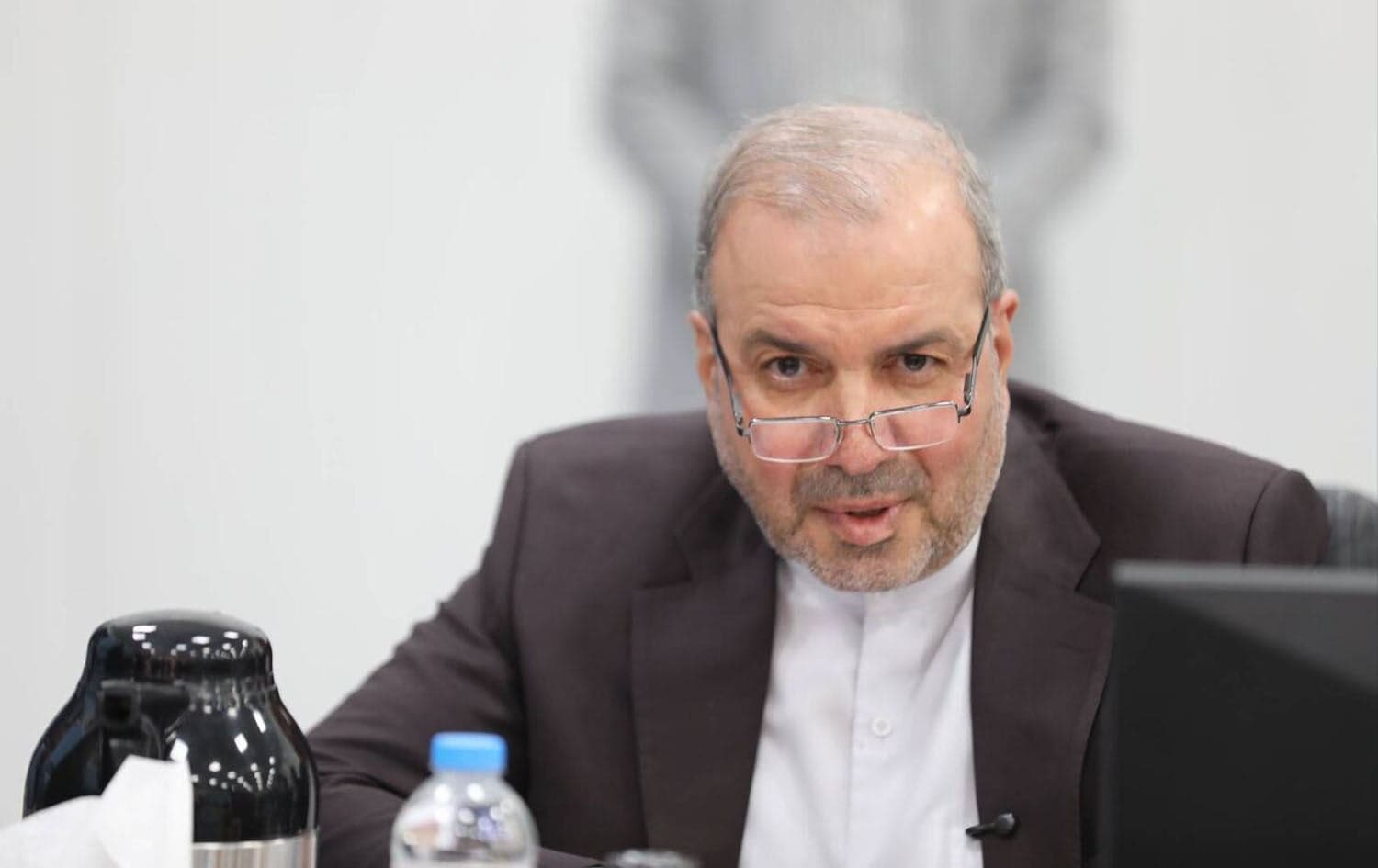
“Initial approval has been given for the establishment of this border corridor,” said Ambassador Mohammad Kazem Al-e Sadeq. “This project was identified within the framework of the two countries' general strategy to strengthen economic relations and increase trade.”
“Targeting $30 billion trade volume between Iran and Iraq is achievable,” he added, according to Iranian state media IRNA.
Sadeq said this in a meeting between the governors of Ilam and Maysan about expanding the crossing, part of broader strategic agreements between Iran and Iraq to open more corridors along their shared 1458 km long border.
“The Chilat corridor could transform Ilam province into a hub for economic exchange, contribute to infrastructure expansion, and have a direct impact on improving the quality of life for border residents in both countries,” Sadeq said.
The governors of Ilam and Maysan, along with the Iranian ambassador and a number of officials from both countries, visited the Chilat border this week to inspect the latest progress in its expansion.
Trade with Iran has dropped since the war with Israel this summer, according to Mohammed Hanoun, the spokesperson for Iraq’s Ministry of Trade who told Rudaw in late September that they exported $178 million worth of goods to Iran and imported $4.328 billion. In 2024, total trade volume between them stood at $12.5 billion.
"The Israeli and US attacks on Iran have caused traders to act cautiously," said Hanoun.
In March, Iraqi National Security Advisor Qasim al-Araji and Ali Shamkhani, then secretary-general of Iran’s Supreme National Security Council, signed an agreement to strengthen border security, coordinate the protection of their shared borders, and enhance joint security cooperation.