


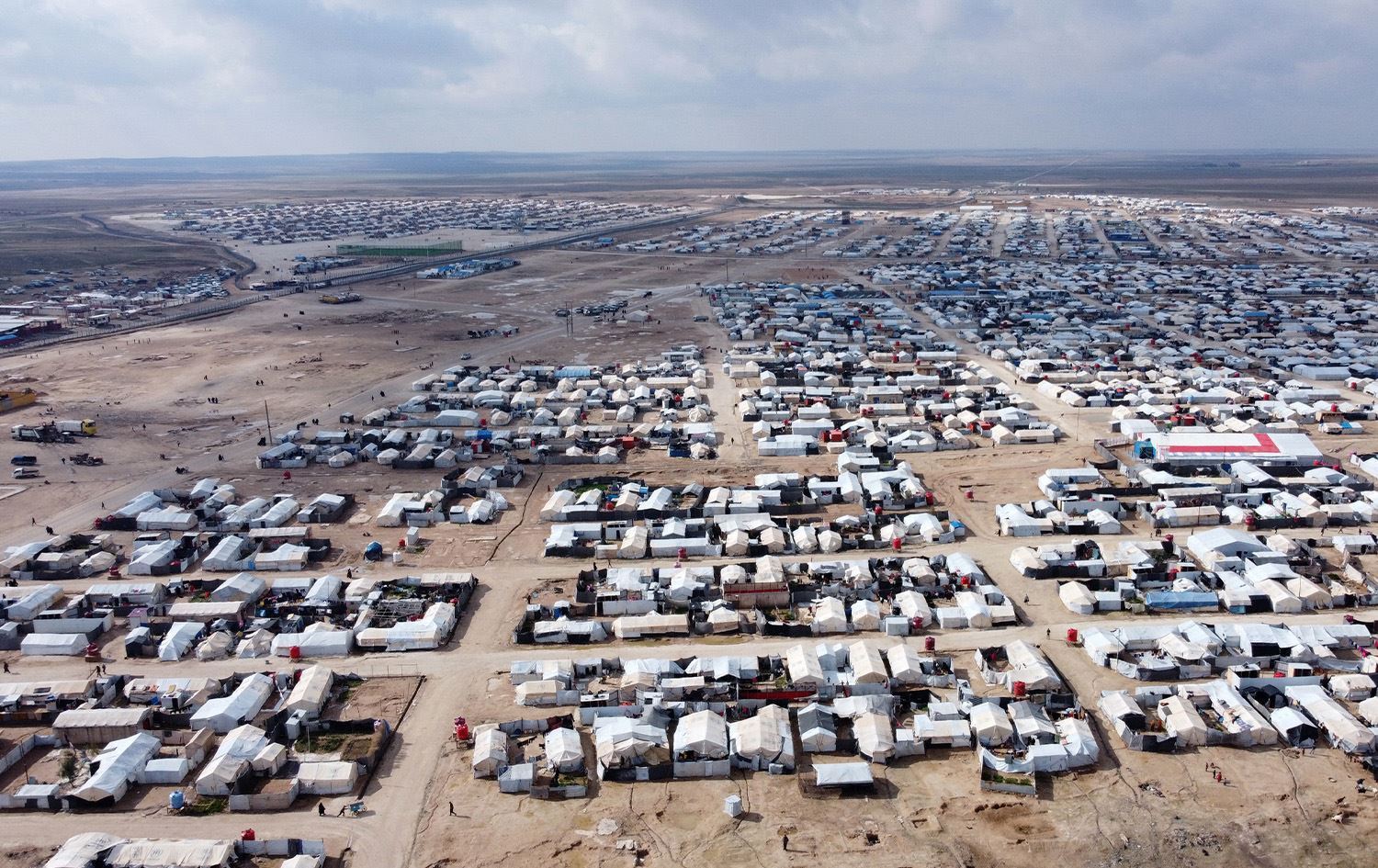
ERBIL, Kurdistan Region - Repatriation of the last group of Iraqi nationals held in al-Hol camp in northeast Syria (Rojava) for their suspected ties to the Islamic State (ISIS) has been temporarily put on hold due to lack of rehabilitation space, the spokesperson for Iraq’s Ministry of Migration and Displaced told Rudaw on Friday.
“We have suspended the repatriation of the last batch of Iraqis,” said Ali Abbas, attributing the decision to the overpopulation of al-Jadaa camp in Nineveh.
Located in eastern Syria's Hasaka province, al-Hol camp is infamous for its squalid conditions and has been branded a breeding ground for terrorism. Iraqis and Syrians have made up the majority of the camp’s population, which numbered 26,338 according to the most recent figures from camp officials. Most were captured during the war against ISIS and have been held in the camp since 2019. The facility also houses people from around the world who had traveled to join the so-called ISIS caliphate.
“We do not have the number of individuals in each family, but there are between 150 and 200 families,” said Abbas, referring to the last group of Iraqis at the camp.
Baghdad has been repatriating its nationals in groups from al-Hol, bringing them to al-Jadaa camp where they go through a rehabilitation program before reintegrating into the community.
According to Ali, al-Jadaa camp currently houses more than 6,500 people and some will need to complete their rehabilitation and be released before the camp can accommodate more.
Iraq held a conference on the sidelines of the United Nations General Assembly in New York in September to discuss emptying and dismantling al-Hol. The conference resulted in the establishment of a joint cell, led by the United States, to facilitate the repatriation of foreigners from al-Hol. Some governments have resisted taking responsibility for their citizens, citing security concerns.
To date, thousands of Iraqi nationals have been repatriated from al-Hol.
“We have suspended the repatriation of the last batch of Iraqis,” said Ali Abbas, attributing the decision to the overpopulation of al-Jadaa camp in Nineveh.
Located in eastern Syria's Hasaka province, al-Hol camp is infamous for its squalid conditions and has been branded a breeding ground for terrorism. Iraqis and Syrians have made up the majority of the camp’s population, which numbered 26,338 according to the most recent figures from camp officials. Most were captured during the war against ISIS and have been held in the camp since 2019. The facility also houses people from around the world who had traveled to join the so-called ISIS caliphate.
“We do not have the number of individuals in each family, but there are between 150 and 200 families,” said Abbas, referring to the last group of Iraqis at the camp.
Baghdad has been repatriating its nationals in groups from al-Hol, bringing them to al-Jadaa camp where they go through a rehabilitation program before reintegrating into the community.
According to Ali, al-Jadaa camp currently houses more than 6,500 people and some will need to complete their rehabilitation and be released before the camp can accommodate more.
Iraq held a conference on the sidelines of the United Nations General Assembly in New York in September to discuss emptying and dismantling al-Hol. The conference resulted in the establishment of a joint cell, led by the United States, to facilitate the repatriation of foreigners from al-Hol. Some governments have resisted taking responsibility for their citizens, citing security concerns.
To date, thousands of Iraqi nationals have been repatriated from al-Hol.


Comments
Rudaw moderates all comments submitted on our website. We welcome comments which are relevant to the article and encourage further discussion about the issues that matter to you. We also welcome constructive criticism about Rudaw.
To be approved for publication, however, your comments must meet our community guidelines.
We will not tolerate the following: profanity, threats, personal attacks, vulgarity, abuse (such as sexism, racism, homophobia or xenophobia), or commercial or personal promotion.
Comments that do not meet our guidelines will be rejected. Comments are not edited – they are either approved or rejected.
Post a comment