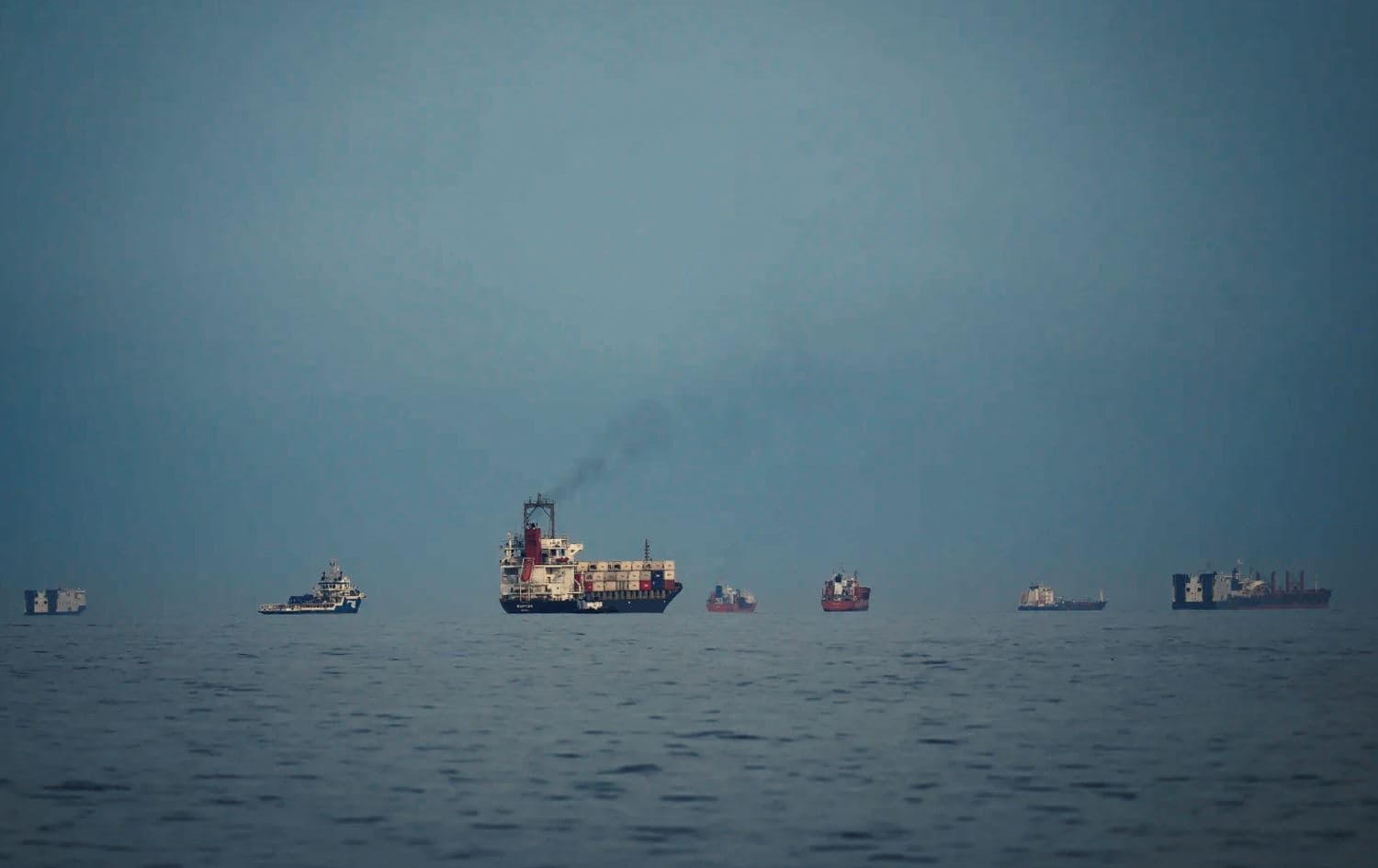
ERBIL, Kurdistan Region - Oil tankers carrying Iraqi and Saudi crude transited the Strait of Hormuz on Saturday amid limited traffic through the strategic waterway despite a ceasefire between the US and Iran. The Liberia-flagged Very Large Crude Carrier (VLCC) Serifos and China-flagged VLCCs Cospearl Lake and He Rong Hai entered and exited the Strait on Saturday, London Stock Exchange Group (LSEG) data showed. Each vessel is capable of carrying 2 million barrels of oil. Cospearl Lake, carrying Iraqi crude, is expected to arrive at eastern China’s Zhoushan port on May 1, LSEG data showed. It was not immediately clear where He Rong Hai will discharge the Saudi crude. After the US and Israel launched a campaign against Iran on February 28, Tehran tightened control over the chokepoint and effectively limited commercial access. The Strait handles roughly 20 percent of global seaborne oil trade, and its disruption pushed global oil prices up by 40 to 50 percent. Despite a ceasefire between the United States and Iran announced early Wednesday, traffic through the waterway has yet to return to normal. Meanwhile, the Malta-flagged VLCC Agios Fanourios I signaled it is heading to Iraq to load Basrah crude for Vietnam, according to LSEG data. Iraq’s oil ministry said Thursday that no ship carrying Iraqi oil had passed through the Strait of Hormuz despite the ceasefire, adding that Baghdad is awaiting further clarity on the security situation, as guarantees are not solely dependent on Iraq. In the meantime, Iraq has sought to export its oil through Turkey, Syria, and Jordan. As negotiations between high-level US and Iranian delegations in Islamabad were ongoing Sunday, US President Donald Trump told reporters, “We win regardless, we have defeated them militarily,” adding that “we will open up the Strait.” Two US Navy warships transited the Strait of Hormuz on Saturday to “fully clear” it of mines laid by Iran, US Central Command (CENTCOM) said. CENTCOM Commander Brad Cooper said they have begun “the process of establishing a new passage, and we will share this safe pathway with the maritime industry soon to encourage the free flow of commerce.” US Vice President JD Vance said Sunday that Washington failed to reach an agreement with Tehran before departing Islamabad after 21 hours of negotiations. “We've made very clear what our red lines are,” he said, while Iranian state media said that “the unreasonable demands of the American side prevented the progress of the negotiations.”
Middle East12-10-2026President Barzani applauds progress on peace process in Turkey, integration in Rojava
Middle East12-10-2026Kurdish opposition groups acted ‘irresponsibly’ during US-Iran war: President Barzani
Middle East12-10-2026Regional cooperation critical as conflicts threaten Levant's recovery: MERI panel