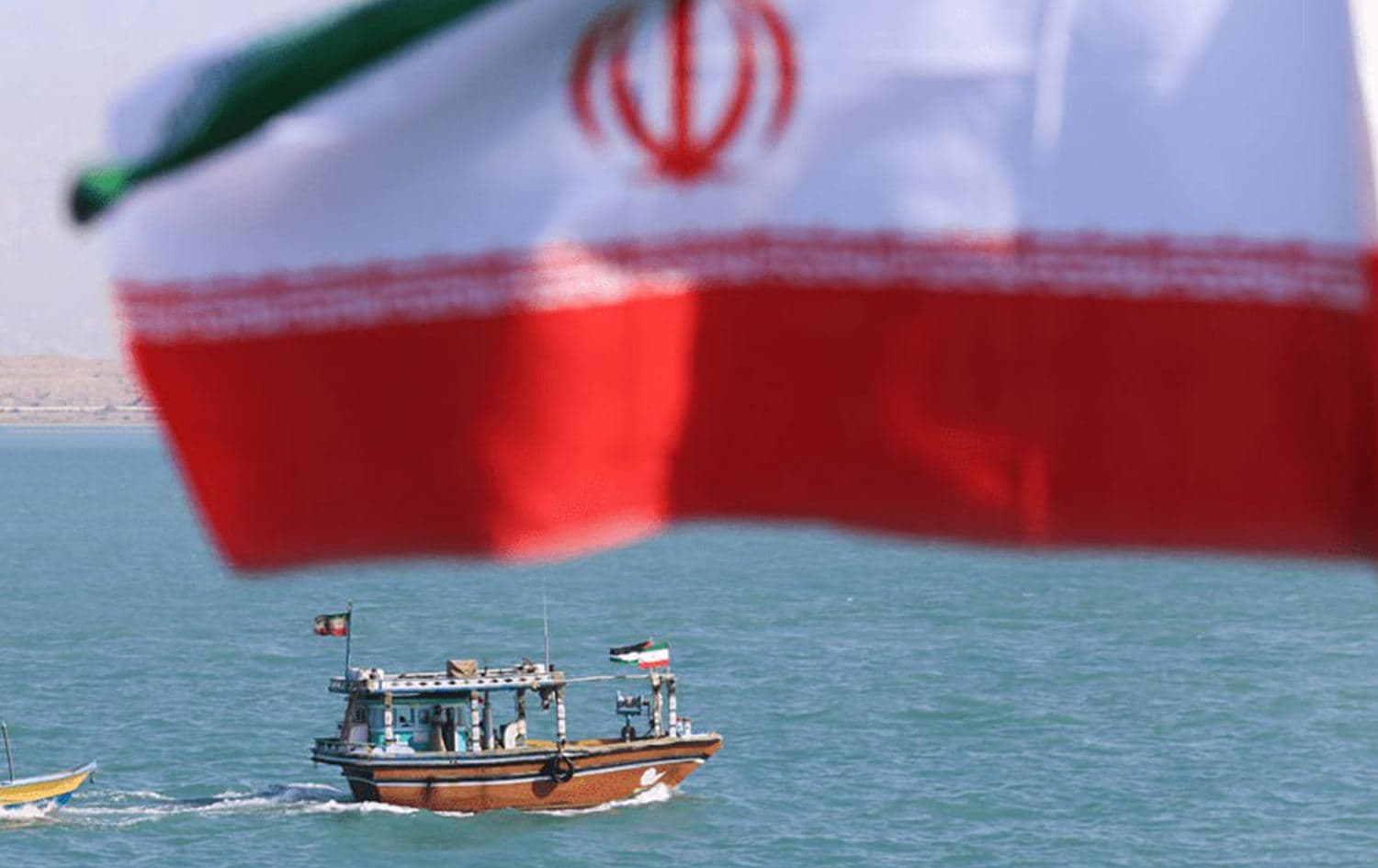
ERBIL, Kurdistan Region - Iran on Monday warned it would undermine the security of other ports in the Persian Gulf basin if its own ports are threatened by the United States, following President Donald Trump’s order to close the Strait of Hormuz by Monday evening.
The Khatam al-Anbiya Central Headquarters, which oversees Iran’s wartime defense, said Tehran would impose permanent measures on the strategic waterway and would target US warships attempting to pass through.
“Imposing restrictions by criminal America on the movement of vessels in international waters is an illegal act and constitutes piracy,” the statement said, according to state media. “If the security of the Islamic Republic of Iran’s ports in the Persian Gulf and the Sea of Oman is threatened, no port in the Persian Gulf and the Sea of Oman will remain safe.”
The warning came after Trump said Sunday that the US would impose a blockade on the strategic waterway until vessels are allowed to enter and exit without restrictions.
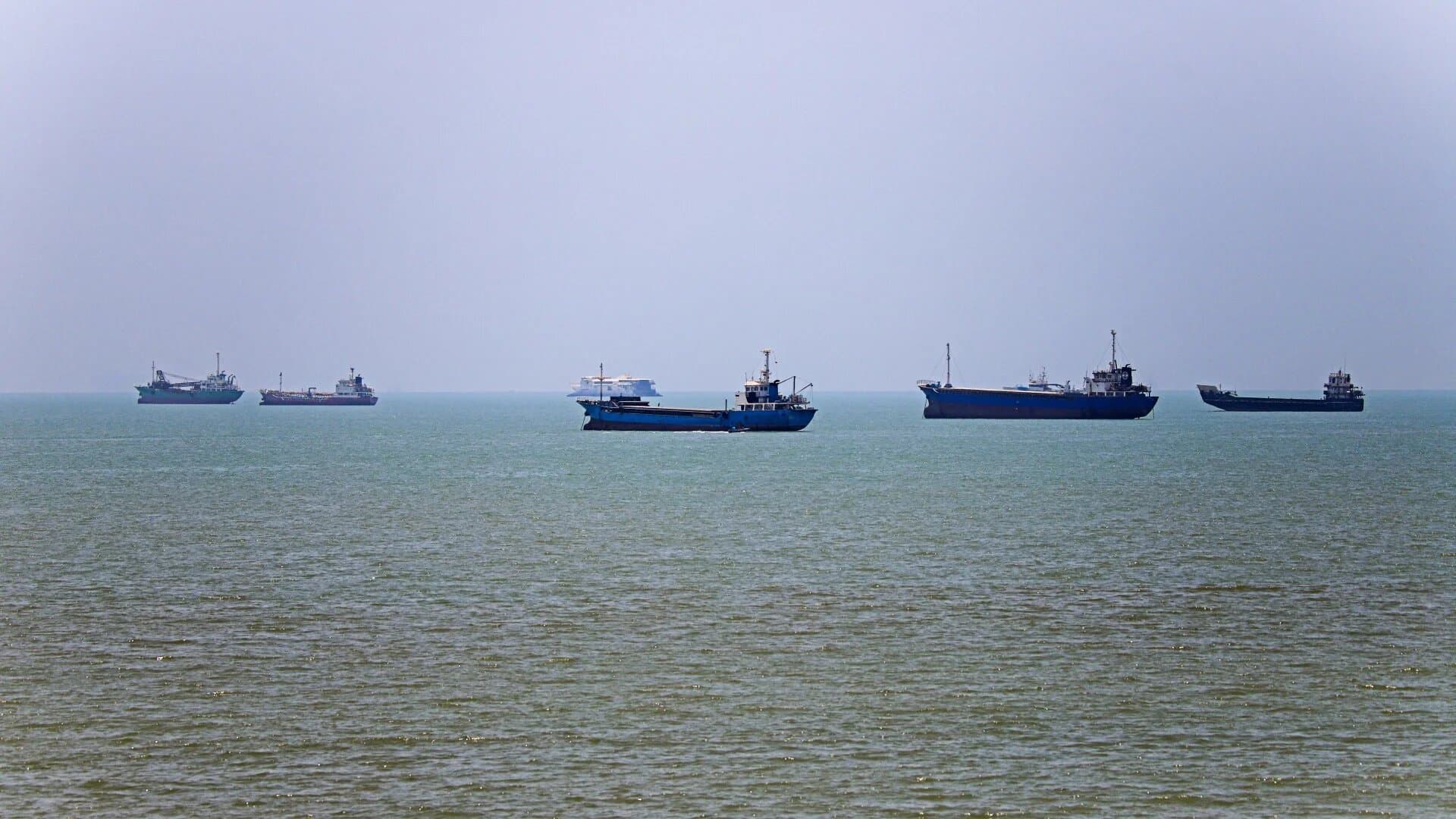
The US said the blockade would take effect from Monday evening, a move that could have severe consequences for Iran, as more than 90 percent of its oil exports transit through the Strait of Hormuz.
“The blockade will be enforced impartially against vessels of all nations entering or departing Iranian ports and coastal areas, including all Iranian ports in the Persian Gulf and the Gulf of Oman,” US Central Command said in a statement. “CENTCOM forces will not impede freedom of navigation for vessels transiting the Strait of Hormuz to and from non-Iranian ports.”
The Trump administration had briefly granted waivers to countries purchasing Iranian oil after the war began on February 28, in an effort to ease pressure on global oil markets as prices surged. That practice appears to have ended following Trump’s latest order.
The decision to impose a blockade on the Strait of Hormuz came as Saudi Arabia restored its East-West pipeline to full capacity of 7 million barrels per day.
Iran has previously hinted it could move to disrupt the Bab al-Mandab waterway through allied groups in Yemen if tensions escalate further.
Meanwhile, Mohammad Bagher Ghalibaf, who led Iran’s negotiating team in Pakistan, said Tehran would not yield to US pressure and warned that rising fuel prices would ultimately hit American consumers hard.