
ERBIL, Kurdistan Region - Turkish Foreign Minister Hakan Fidan on Friday called on the Syrian Democratic Forces (SDF) to speed up their integration into the interim government in Damascus. Negotiations between the SDF and Damascus, however, appear to have hit an impasse with the Kurdish-led force wary about the Syrian government, which it accused of making “unacceptable” demands.
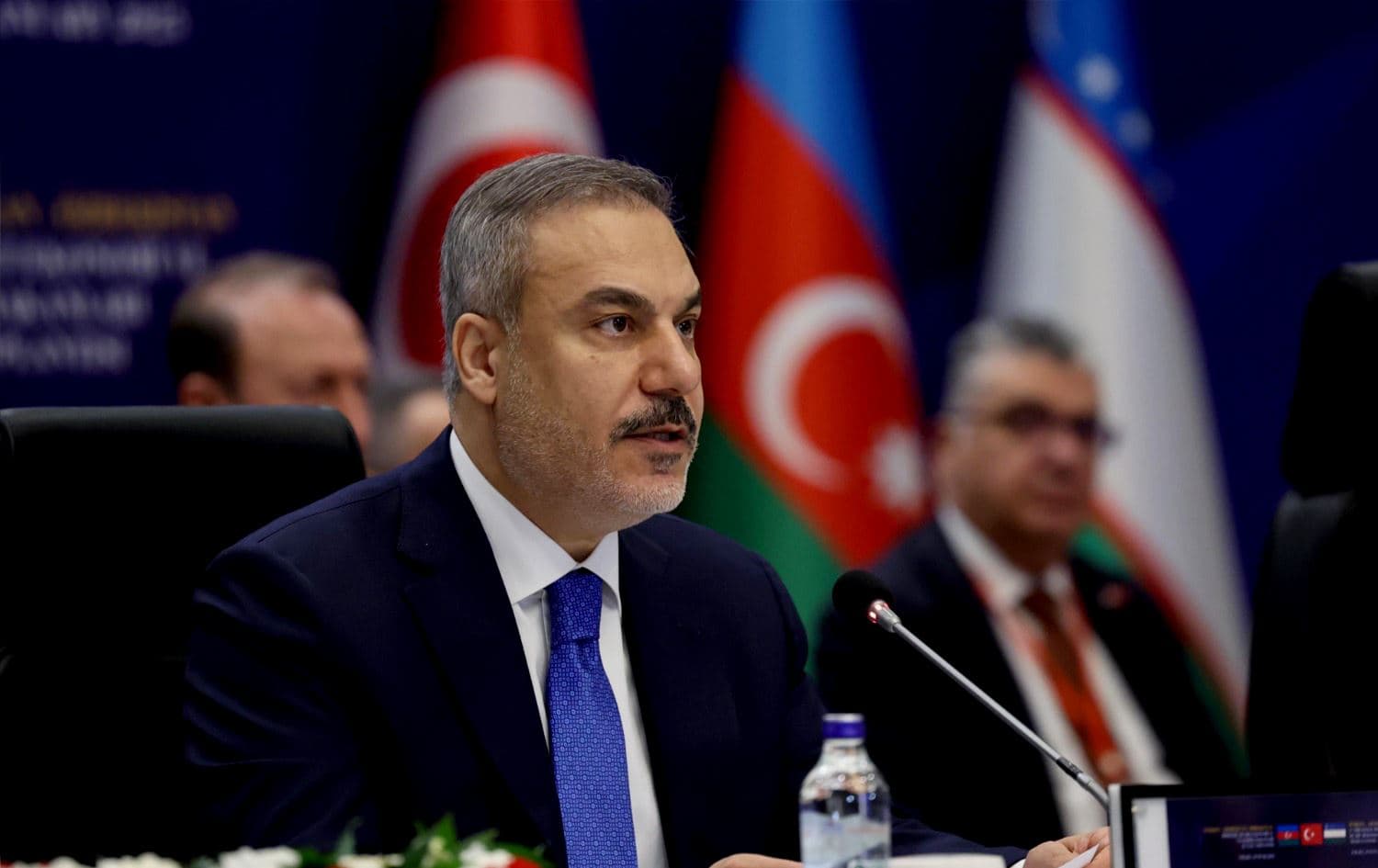
“It's important that the SDF, without wasting time and willingly, reaches an agreement with the central government, takes genuine and unambiguous steps to implement this agreement, and that Turkey be held as a witness for security,” Fidan told Turkish broadcaster NTV on Friday, referring to the March 10 agreement between the SDF and Damascus.
That agreement outlines the future of the SDF and the region it controls in northeast Syria (Rojava). While parts of the agreement have been implemented, key provisions - such as integrating the US-backed SDF into Syrian state forces - remain contested.
Fidan said Ankara also expects the Kurdish People's Protection Units (YPG), the backbone of the SDF, to disarm.
“It's unacceptable for armed structures to continue their existence in this country by using certain things as excuses. We expect the YPG to lay down its arms,” he said.
Turkey considers the YPG a Syrian offshoot of the Kurdistan Workers’ Party (PKK), which has decided to disarm and dissolve itself as part of talks with Ankara to end decades of war in return of political and cultural rights for Kurds.
There have been at least two meetings between SDF chief Mazloum Abdi and Syria's interim President Ahmed al-Sharaa since Bashar al-Assad's regime was ousted in December.
Recent massacres of Alawites and Druze by forces affiliated with or supported by Damascus have concerned Kurds and made them reluctant to give up their weapons.
"They ask us to surrender all our weapons and dissolve the SDF. In return, they will make us commanders and ministers. We have no ambition to become commanders in the army or assume positions like minister. We are struggling for the existence of this nation," Farhad Shami, head of SDF's media centre, told SDF-affiliated Ronahi TV on Friday.
He said that the mass killings of Alawites in the coastal areas and Druze in southern Syria have convinced the SDF that only weapons can protect the people of Rojava. Shami noted that they have conveyed this stance to US Special Envoy for Syria Tom Barrack.
The US and France have been engaged in talks with the SDF and Damascus to accelerate the implementation of the March 10 agreement, which is endorsed by Turkey.
"The meetings are being held between two strong parties. If one of us is weak, why should we even meet? One would terminate the other and the story ends. We go to the meetings because we are strong. Attending the meetings does not mean we are surrendering ourselves. We are not affiliated with the Damascus government... and they have to understand this. They want the opposite. We are Syrians too but we have a project," Shami said.
"They want us to take part in the army and government as individuals, not as an entity. We say this is not acceptable," he added.
An unnamed senior official from the Syrian government told al-Ikhbariya TV on Thursday that Damascus will not accept the SDF retaining their weapons.
French Foreign Minister Jean-Noel Barrot spoke with Abdi on Friday to confirm that Paris will host the next round of talks between the SDF and Damascus. Barrot also reiterated France’s support for Syrian Kurds, according to the French foreign ministry.
Earlier in the day, Barrot met with Barrack and Syrian Foreign Minister Asaad al-Shaibani. The meeting, in which they discussed negotiations between the SDF and Damascus, was “very frank and productive,” according to the French ministry.
Kurdish leaders have voiced concern over the centralization of power and the prominence of Islamic law in the transitional constitution adopted by Syria’s interim government. They have repeatedly denied accusations that they favour separatism. Kurds held a national conference earlier this year that concluded with a call for decentralization.