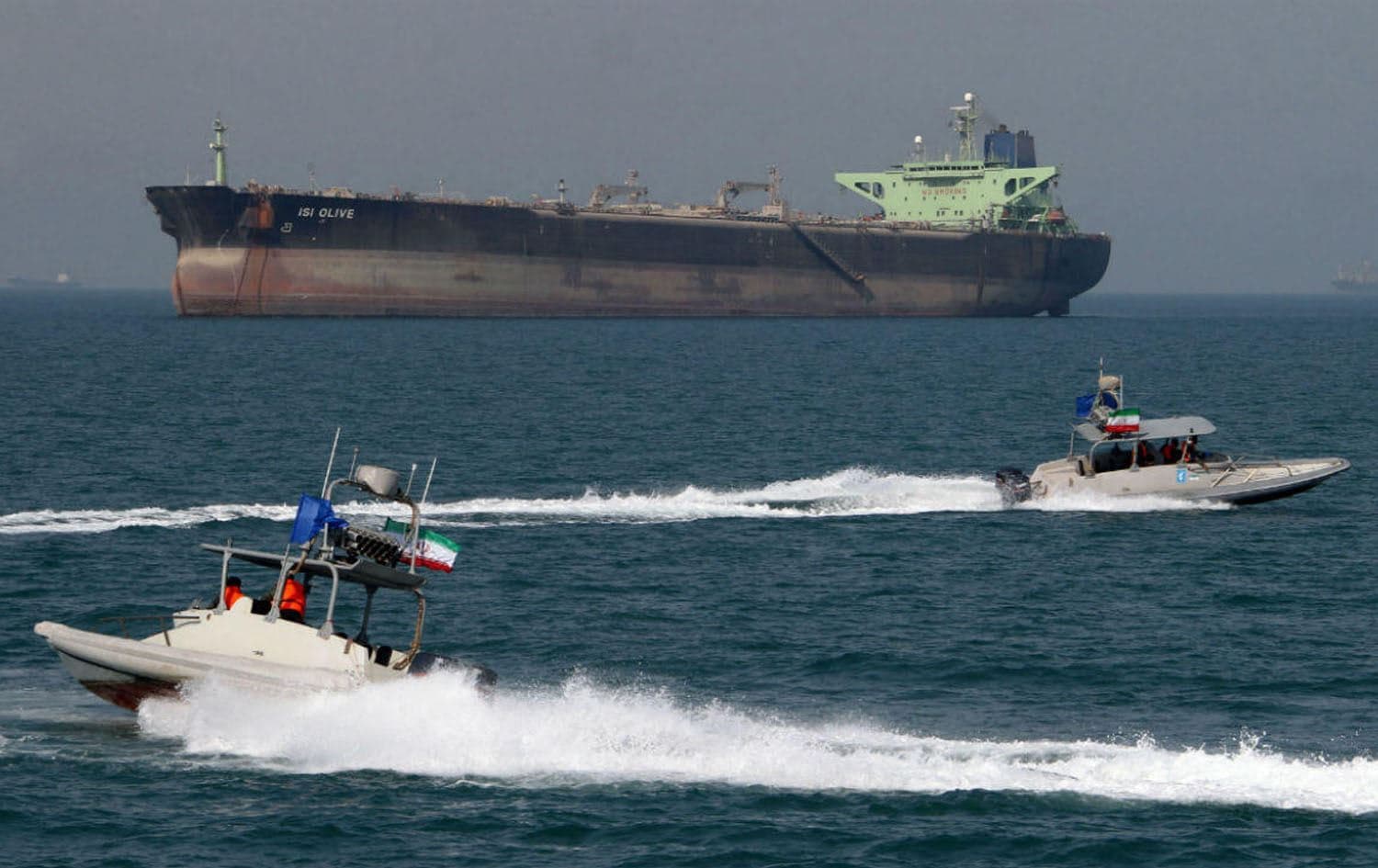
ERBIL, Kurdistan Region - Iraq’s oil ministry said Tuesday it is in talks with Iran to allow its oil tankers to pass through the Strait of Hormuz as the country scrambles to find alternative routes amid Tehran’s chokehold on the route.
“There is ongoing communication with Iran regarding allowing some Iraqi oil tankers to pass through,” Iraqi state media cited Oil Minister Hayan Abdul-Ghani as saying.
Iraq’s oil exports have largely halted since Iran effectively closed the strategic Strait of Hormuz during the war with the US and Israel. Baghdad is seeking alternative export routes for its crude, which accounts for around 90 percent of the country’s revenues.
The minister added that Iraq was among the first producers in the Organization of the Petroleum Exporting Countries (OPEC) to reduce output following the outbreak of the war, with production falling to approximately 1.2 million barrels per day from a previous level of 4.3 million barrels per day.
Baghdad has requested the Kurdistan Regional Government (KRG) allow it to export oil through the Region’s pipeline to Turkey’s Ceyhan port, but the KRG has said this would be conditional on lifting a dollar “embargo” on the Region’s traders and protecting the Region and its energy infrastructure from attacks by pro-Iran armed groups in Iraq.
Abdul-Ghani said on Monday that within “one week,” Iraq will begin exporting oil “directly” from Kirkuk to Turkey “without passing through the Kurdistan Region,” referring to the 48-inch Baiji–Fishkhabur pipeline, which has the capacity to export up to one million barrels of oil per day.
The pipeline has been out of service since suffering extensive damage in 2014, when the Islamic State (ISIS) seized large areas of northern Iraq. It stretches from Salahaddin and Kirkuk provinces to Fishkhabur, where it connects to Turkey’s section of the Iraq-Turkey Pipeline (ITP).