ERBIL, Kurdistan Region - Some 45 million people could fall into “acute food insecurity or worse” if the ongoing conflict in the Middle East continues to destabilize the global economy and does not end by mid-year, the United Nations’ food assistance agency cautioned on Tuesday, further warning that continued disruptions to maritime traffic through the Strait of Hormuz and the Red Sea could cause a spike in food insecurity, especially in parts of Africa and Asia.
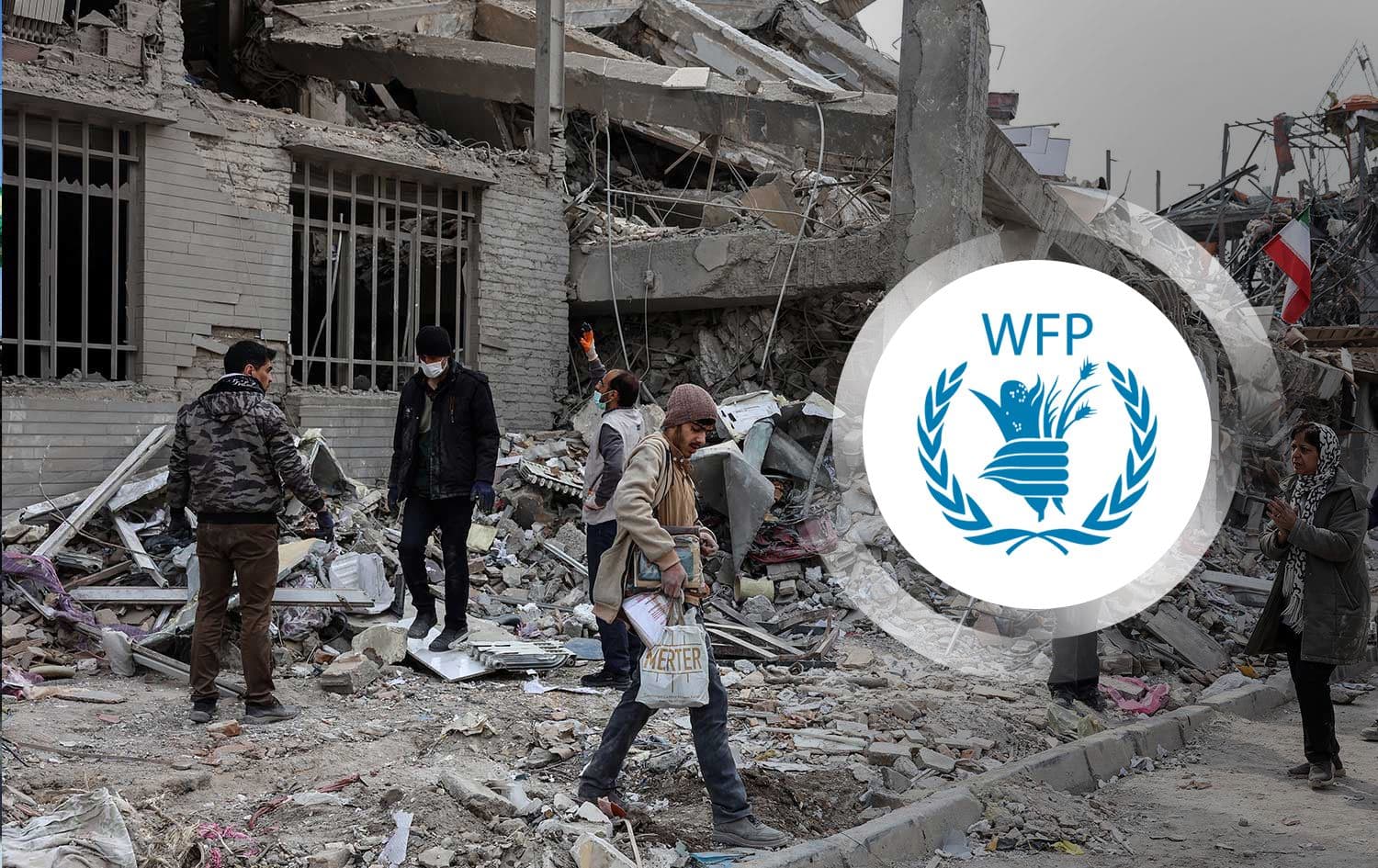
The UN’s World Food Programme (WFP) estimated that “almost 45 million more people could fall into acute food insecurity or worse” if the Iran-Israel-US war “does not end by mid-year and if oil prices remain above USD 100 a barrel.” These people would be added to the 318 million worldwide who are already food insecure.
Moreover, the UN’s food assistance agency further explained that while the region where the conflict is unfolding is a “global energy and not a breadbasket region, the potential impact is similar because energy and food markets are tightly correlated.”
While the conflict region is primarily a “global energy, not a breadbasket” area, the WFP noted that energy and food markets are tightly linked. The agency’s Deputy Executive Director Carl Skau warned that “if this conflict continues, it will send shockwaves across the globe, and families who already cannot afford their next meal will be hit the hardest.”
Skau noted that “without an adequately funded humanitarian response, it could spell catastrophe for millions already on the edge.”
The US and Israel launched a joint campaign against Iran on February 28, with US Central Command (CENTCOM) reporting that Operation Epic Fury has targeted over 7,000 sites across Iran, aiming to dismantle the country’s security structure.
In response, Iran launched more than 2,000 drones and over 600 missiles targeting US and Israeli positions in the region under Operation True Promise 4. Tehran has also effectively closed the vital Strait of Hormuz to commercial traffic, which handles roughly 20 percent of global seaborne oil trade, causing a 40 to 50 percent rise in global oil prices.
“The virtual shipping standstill in the Strait of Hormuz and mounting risks to Red Sea maritime traffic are already increasing energy, fuel, and fertilizer costs, deepening hunger beyond the Middle East,” the WFP said, adding that vulnerable populations in sub-Saharan Africa and Asia - reliant on food and fuel imports - are expected to be hit hardest.
The UN food assistance agency noted it projects a 21 percent rise in food insecurity in West and Central Africa, 17 percent in East and Southern Africa, and 24 percent in Asia.
The warning by the WFP follows a UN refugee agency report last Thursday, stating that the Iran war has displaced over 3.2 million people within the country in its first two weeks, creating a growing refugee crisis with secondary displacement risks.
RELATED: 3.2 million displaced inside Iran in less than 2 weeks of war: UNHCR