ERBIL, Kurdistan Region - Influential Shiite cleric Muqtada al-Sadr on Friday reiterated his decision to boycott Iraq’s upcoming parliamentary elections, scheduled for November. He called for reforms to political and security structures, including the disarmament of militias.
“Whoever wants to boycott, let them boycott, and whoever wants to pursue the lust for power as their path, let them do so, but justice will not be established,” Sadr said in a statement.
“Falsehood will not be repelled, except by surrendering uncontrolled weapons to the hands of the state, dissolving militias, strengthening the army and police, guaranteeing Iraq's independence and non-dependence, and serious pursuit of reform and holding the corrupt accountable,” he added.
Sadr first announced his intention to boycott the 2025 legislative elections in March, citing widespread corruption. In April, he rejected a formal invitation from Iraqi President Abdul Latif Rashid to reverse his decision, saying he “will not participate with the corrupt, the insolent, and the enemies of the people.”
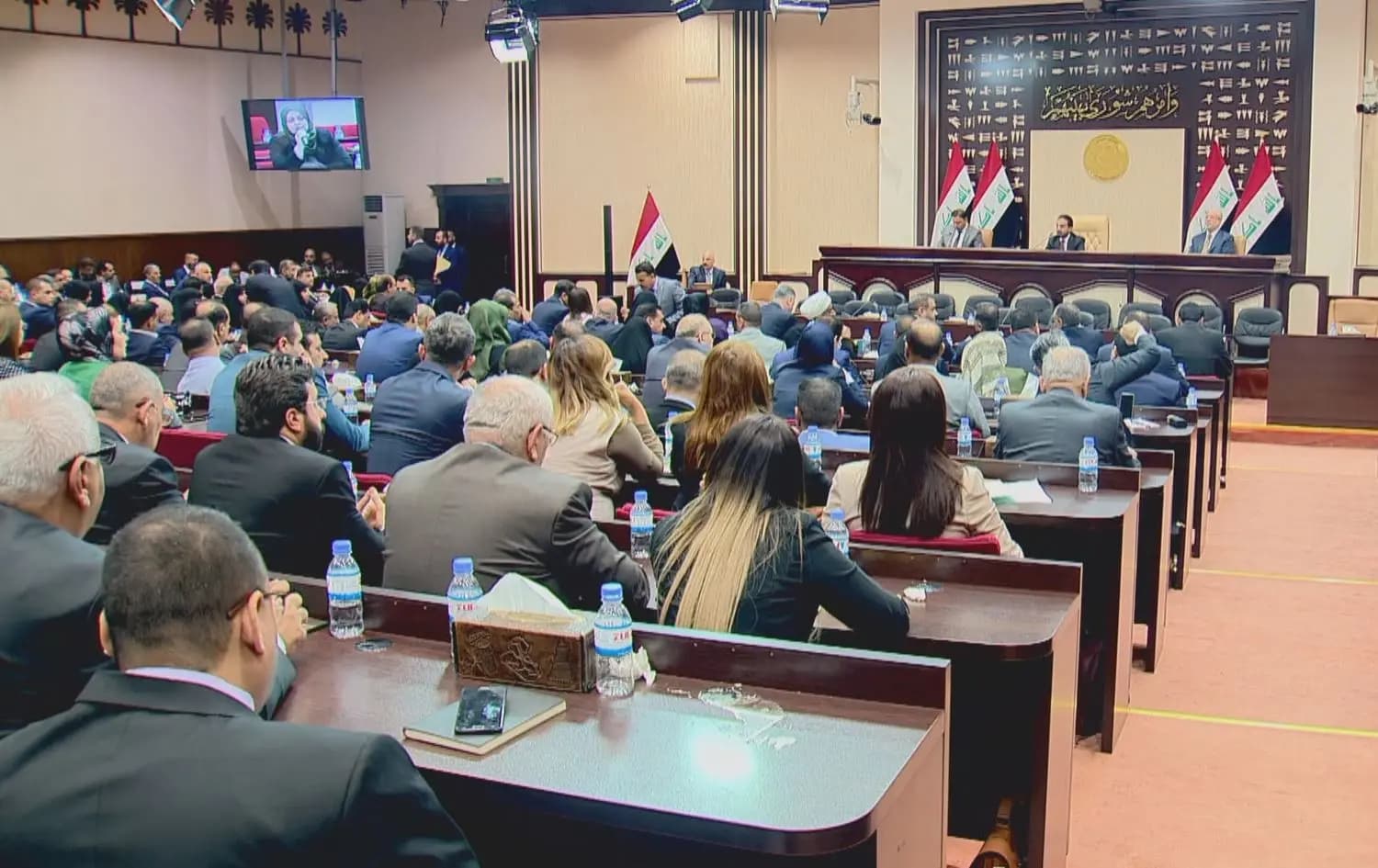
In Iraq’s October 2021 elections, Sadr’s bloc emerged as the largest, winning 73 out of 329 parliamentary seats. However, a year-long political stalemate with the Shiite-led Coordination Framework over government formation prompted Sadr to withdraw his lawmakers from parliament. His attempt to form a government with Kurdish and Sunni parties was blocked by the Framework, which insisted on maintaining Iraq’s post-2003 consensus model that balances power between the major groups.
Sadr fueled speculation about a political comeback in early March when he hosted around 200 former Sadrist parliamentarians at his residence in Najaf. Shortly afterward, he urged supporters to prepare for the vote, warning that poor electoral choices could worsen corruption and poverty.
In mid-February, Sadr called on his supporters to update their voter registration records. However, former Sadrist lawmaker Rafi Abduljabbar Azzawi told Rudaw at the time that this move did not necessarily signal a reversal of the boycott, but rather an effort to mobilize Iraqis for what Sadr described as a critical period.
“Whoever wants to boycott, let them boycott, and whoever wants to pursue the lust for power as their path, let them do so, but justice will not be established,” Sadr said in a statement.
“Falsehood will not be repelled, except by surrendering uncontrolled weapons to the hands of the state, dissolving militias, strengthening the army and police, guaranteeing Iraq's independence and non-dependence, and serious pursuit of reform and holding the corrupt accountable,” he added.
Sadr first announced his intention to boycott the 2025 legislative elections in March, citing widespread corruption. In April, he rejected a formal invitation from Iraqi President Abdul Latif Rashid to reverse his decision, saying he “will not participate with the corrupt, the insolent, and the enemies of the people.”
In Iraq’s October 2021 elections, Sadr’s bloc emerged as the largest, winning 73 out of 329 parliamentary seats. However, a year-long political stalemate with the Shiite-led Coordination Framework over government formation prompted Sadr to withdraw his lawmakers from parliament. His attempt to form a government with Kurdish and Sunni parties was blocked by the Framework, which insisted on maintaining Iraq’s post-2003 consensus model that balances power between the major groups.
Sadr fueled speculation about a political comeback in early March when he hosted around 200 former Sadrist parliamentarians at his residence in Najaf. Shortly afterward, he urged supporters to prepare for the vote, warning that poor electoral choices could worsen corruption and poverty.
In mid-February, Sadr called on his supporters to update their voter registration records. However, former Sadrist lawmaker Rafi Abduljabbar Azzawi told Rudaw at the time that this move did not necessarily signal a reversal of the boycott, but rather an effort to mobilize Iraqis for what Sadr described as a critical period.
Comments
Rudaw moderates all comments submitted on our website. We welcome comments which are relevant to the article and encourage further discussion about the issues that matter to you. We also welcome constructive criticism about Rudaw.
To be approved for publication, however, your comments must meet our community guidelines.
We will not tolerate the following: profanity, threats, personal attacks, vulgarity, abuse (such as sexism, racism, homophobia or xenophobia), or commercial or personal promotion.
Comments that do not meet our guidelines will be rejected. Comments are not edited – they are either approved or rejected.
Post a comment