


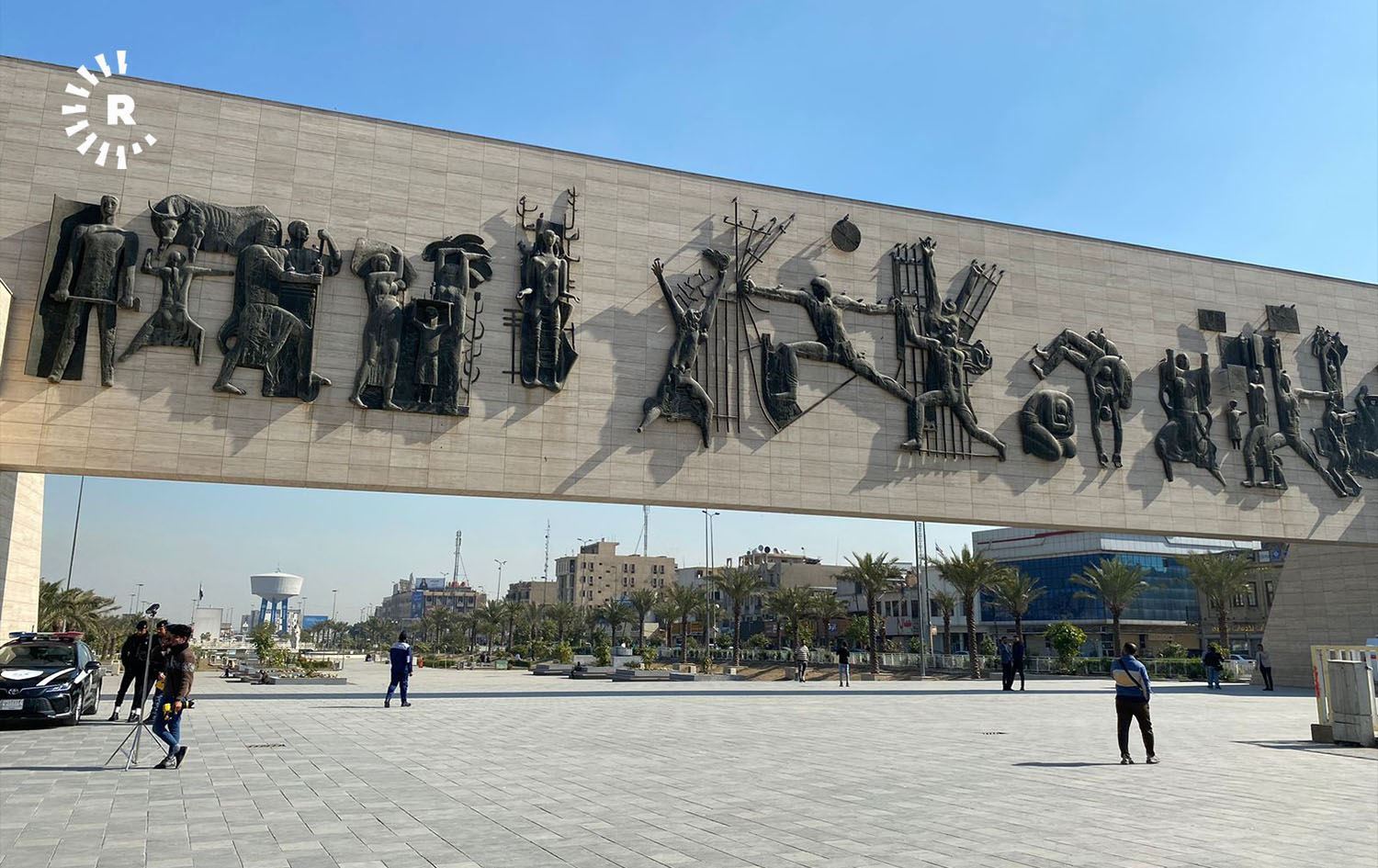
ERBIL, Kurdistan Region - Iraqi President Abdul Latif Rashid on Saturday called for broad participation in Tuesday’s parliamentary elections, as opinions on the streets remain divided between those determined to vote and others skeptical of any real change.
Rashid’s office said the president urged all Iraqis to head to the polls in large numbers, describing high voter turnout as “a vital step in strengthening democracy and consolidating security and stability.”
He made his remarks during a visit to the headquarters of the Independent High Electoral Commission (IHEC) in Baghdad, where he reviewed final preparations for the vote. The meeting was attended by Mohamed al-Hassan, representing the United Nations Assistance Mission for Iraq (UNAMI).
Voter turnout has steadily declined since the first post-Baathist election of 2005. Just 42% of voters cast a ballot in 2021.
One factor in the low turnout is a call for boycott from influential Shiite cleric Muqtada al-Sadr.
“I do participate in elections, but only under the command of al-Sayyid [Muqtada al-Sadr]. If al-Sayyid says boycott, we boycott,” Haider al-Kazim told Rudaw in Baghdad.
Sadr on Thursday reaffirmed his refusal to participate in the election and repeated his call for followers to avoid protests or public mobilization until after the vote. The influential leader, who renamed his movement the National Shiite Movement last year, has accused Iraq’s political class of corruption and failure to deliver on reforms.
Sadr’s bloc won 73 seats in Iraq’s 329-member parliament during the 2021 elections, emerging as the largest force. However, his attempt to form a majority government with Sunni and Kurdish allies was blocked by the rival Coordination Framework, leading him to order his party members to resign from the parliament in June 2022. Two months later, Sadr announced he was quitting politics.
After a brief rebranding of his movement in 2024, speculation grew that Sadr might re-enter politics, but in March he reaffirmed his boycott, citing flaws in Iraq’s political system.
Many Iraqis share this frustration with the political system.
“Every time you participate in the elections, you support him [the same faces], you make him stronger and help him rise, and if it is not him it would be his cousin or someone from his tribe,” said Abbass Jaafar.
“You have to participate and choose the most suitable [candidate] in the election. The elections change the state and government,” Kazim Ahmed argued.
“Of course, I must participate because I want my voice to have an effect in some way,” said Jabar Ali.
Others said they plan to boycott entirely.
“No, I am boycotting,” Karar Hamad said.
“No, because there is no benefit,” added another.
Campaigning ended on Saturday morning and the country entered an electoral silence with IHEC warning that any violations could result in fines or disqualification.
More than 21 million Iraqis have renewed their biometric cards to vote, according to the IHEC. A total of 31 alliances, 38 parties, and 23 independent candidates are contesting 329 parliamentary seats, including nine reserved for minorities.
Special voting is set for November 9, followed by the general election on November 11. Prime Minister Mohammed Shia’ al-Sudani has directed security forces to ensure a smooth and accessible voting process across the country.
Halkawt Azeez contributed to this report from Baghdad.


Comments
Rudaw moderates all comments submitted on our website. We welcome comments which are relevant to the article and encourage further discussion about the issues that matter to you. We also welcome constructive criticism about Rudaw.
To be approved for publication, however, your comments must meet our community guidelines.
We will not tolerate the following: profanity, threats, personal attacks, vulgarity, abuse (such as sexism, racism, homophobia or xenophobia), or commercial or personal promotion.
Comments that do not meet our guidelines will be rejected. Comments are not edited – they are either approved or rejected.
Post a comment