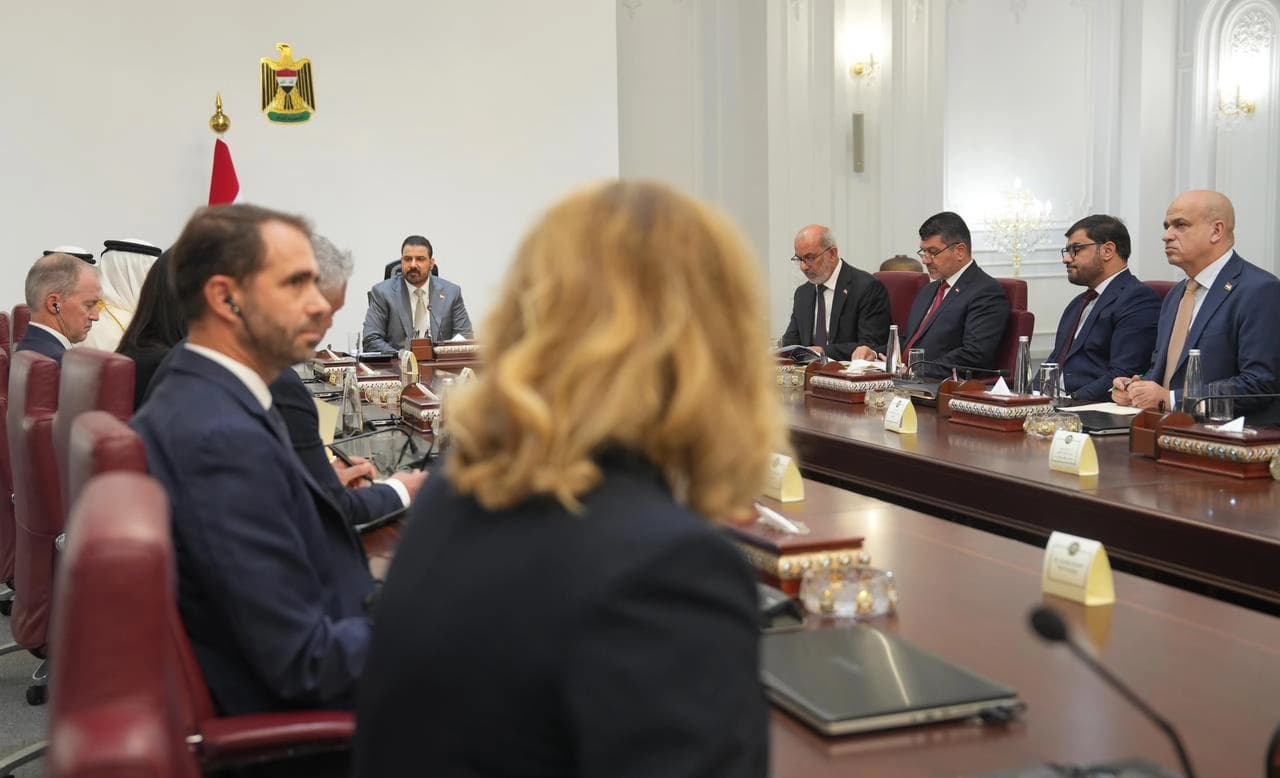
ERBIL, Kurdistan Region - Kirkuk’s Turkmen factions will run in Iraq’s November parliamentary elections on two separate lists after failing to agree on a unified stance, with one Turkmen leader saying on Monday that the arrangement could help them secure more votes.
“Having multiple lists is better for getting votes and we will work together after the elections,” Tahsin Kahya, deputy secretary-general of the Iraqi Turkmen Islamic Union, told Rudaw, adding that “Kirkuk’s Turkmen factions will participate in the elections with two separate lists.”
The lists are the Unified Turkmen Front and the Kirkuk Turkmen Rescue Front. Kahya’s party is part of the latter.
“Discussions were held among the Turkmen parties to participate in the elections with a unified list, but we did not reach agreement on several issues, including the name of the list and the ranking of candidates,” Kahya said.
In late April, Iraq’s Independent High Electoral Commission (IHEC) told Rudaw that 70 political parties have expressed interest in contesting the November elections, and registration began on April 15.
Iraq’s parliamentary elections are scheduled for November 11, with special voting set for two days earlier.
In late May, Mohammed al-Bayati, a senior Badr Organization official in Kirkuk, said that around 80 percent of the Framework’s members plan to support the Kirkuk Turkmen Rescue Front. The Badr Organization, led by Hadi al-Amiri, is the armed wing of the Fatah Alliance and a core component of Iraq’s Shiite-led Coordination Framework.
Around the same time, Ali al-Daffayi, politburo member and spokesperson for the Islamic Supreme Council of Iraq (ISCI), also part of the Framework, said that the coalition has decided to field multiple lists, arguing the move is more advantageous under the current electoral law. He denied that the decision was due to internal division.
A similar strategy is taking shape among Kurdish parties.
Ali Qalayi, a senior Patriotic Union of Kurdistan (PUK) member, told Rudaw in May that a unified Kurdish list in Kirkuk - including the PUK and Kurdistan Democratic Party (KDP) - may not be strategically beneficial, with both parties set to contest the vote on separate lists.
In March 2023, Iraq’s State Administration Coalition led efforts to adopt a modified proportional representation system based on the Sainte-Laguë method. Under this system, total party votes are divided by a fixed quotient to allocate parliamentary seats. The amendments also reverted Iraq’s electoral map from 83 districts to the previous model of 19 province-wide constituencies.
The changes sparked widespread criticism for favoring established parties and disadvantaging independents and smaller blocs.
Hastyar Qadir contributed to this article.
.webp&w=3840&q=75)