
ERBIL, Kurdistan Region - Iraqi political parties and blocs on Sunday rejected the Kurdistan Regional Government’s (KRG) position conditioning the export of Iraqi oil through the Kurdistan Region’s pipeline to Turkey, calling on Erbil to “reconsider” its stance and “uphold” federal government decisions.
“We affirm that the statement by the natural resources ministry in the Kurdistan Region represents an irresponsible position, intended to cause confusion, especially in light of the extraordinary circumstances Iraq is going through,” Iraqi Prime Minister Mohammed Shia’ al-Sudani’s Reconstruction and Development Coalition (RDC) said in a statement.
Earlier Sunday, the KRG natural resources ministry said in a statement that Iraq’s federal oil ministry is “distorting” facts about the issue of exporting oil through the Kurdistan Region’s pipeline to Turkey’s Ceyhan port. It insisted that Baghdad is maintaining a “suffocating embargo” by “preventing [US] dollars from reaching the Kurdistan Region’s traders, effectively halting commercial activity,” and said Baghdad has not moved to “confront” attacks on the Region’s energy infrastructure.
READ MORE: KRG accuses Baghdad of ‘distorting’ facts on Iraqi oil exports via Kurdistan pipeline
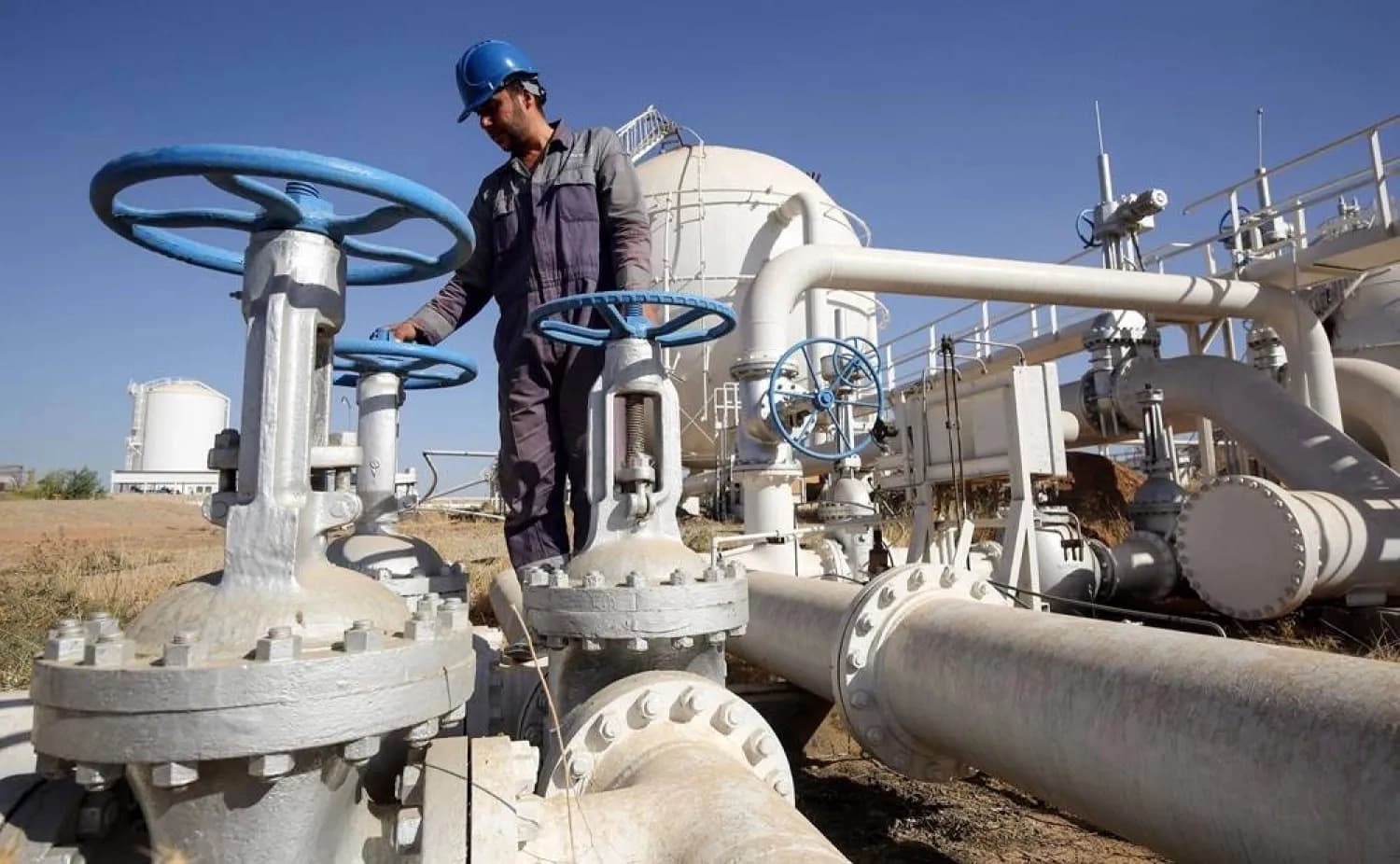
This comes as oil exports from the Kurdistan Region have been suspended due to ongoing drone and missile attacks on its energy infrastructure by Iran-backed armed groups in Iraq, which say the strikes are in support of Tehran’s war with Washington and Tel Aviv. With Iraq’s oil exports largely halted since Iran effectively closed the strategic Strait of Hormuz, Baghdad is scrambling to find alternative routes to export its crude, which accounts for around 90 percent of the country’s revenues.
The RDC said that “the oil export process is among the exclusive powers of the federal government,” citing Article 110 and Article 111 of the Iraqi constitution.
Article 110 outlines the exclusive powers of the federal government, which do not include the management of oil and gas resources but include customs and commercial policy. Article 111 states that “oil and gas are owned by all the people of Iraq in all the regions and governorates.”
The RDC statement added that implementing the Automatic System for Customs Data (ASYCUDA) - developed by the United Nations Conference on Trade and Development (UNCTAD) and covers all 22 of Iraq’s federal border crossing - in the Kurdistan Region “is a binding procedure” under Article 80 of the constitution to ensure transparency and prevent smuggling and corruption, saying that protecting national wealth “necessarily begins with centralized oversight and enforcement of the law.”
“We call on the Erbil government to review its recent position and address its effects, and to adhere to the centralized decisions of the federal government, prioritizing comprehensive national interest and ensuring Iraq's unity and sovereignty,” the RDC said.
Similarly, Iraq’s al-Sadiqoun bloc, affiliated with the Iran-aligned Asa’ib Ahl al-Haq (AAH) armed group and led by influential Shiite cleric Qais al-Khazali, said that “linking permission to export Kirkuk oil to the implementation of these conditions represents a serious violation of the Iraqi constitution.” The bloc expressed its “categorical rejection of any attempt to link federal oil exports to political or economic conditions outside the framework of the constitution and applicable laws.”
Meanwhile, the Taqaddum party, led by prominent Sunni Arab politician and former parliament speaker Mohamed al-Halbousi, also said in a statement that Erbil’s conditions are “rejected,” citing “the crisis the region is going through and the halt of Basra port exports.”