


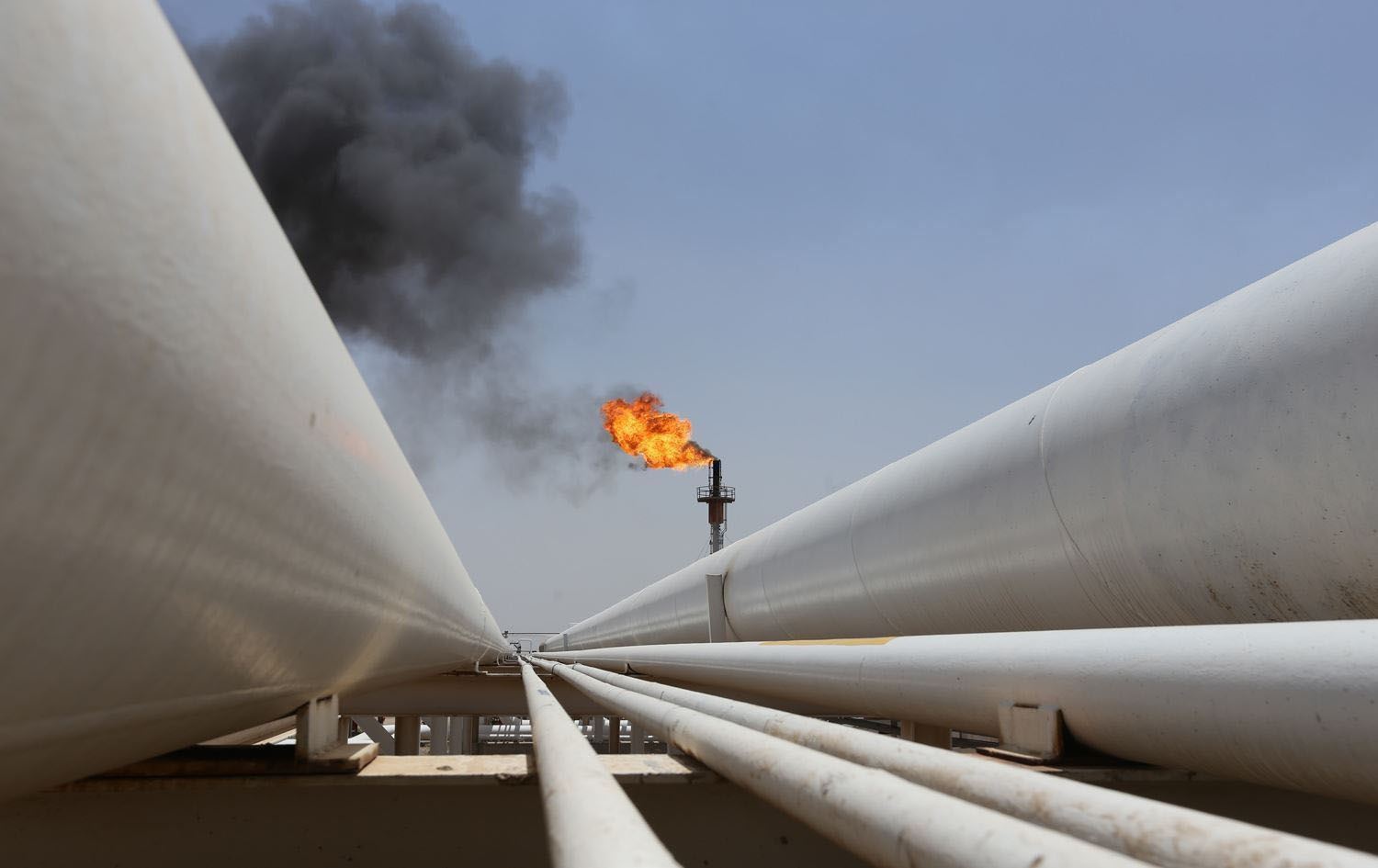
ERBIL, Kurdistan Region - The Kurdistan Region is exporting around 200,000 barrels of oil per day to Turkey’s Ceyhan Port, a senior Iraqi oil official told Rudaw on Wednesday, as Erbil and Baghdad continue implementing their recent pipeline export agreement.
“We export nearly an average of 200,000 oil barrels from the Kurdistan Region to Ceyhan port,” Amer Khalil, director general of Iraq’s state-run North Oil Company, told Rudaw on Wednesday.
He said that some of the oil is destined for the Turkish market while the rest is supplied to European markets.
Khalil detailed that in October, nearly 6 million barrels, and in November so far, 3.5 million barrels of the Kurdistan Region’s oil have been exported to Ceyhan Port. He added that oil exports from Kirkuk are around 340,000 barrels per day, noting that they have no plans to export its oil to Turkey so far.
The Region’s natural resources minister, Kamal Mohammed, on Tuesday provided details of Kurdish oil exports that were close to those announced by Khalil.
“Between 200,000 to 210,000 barrels [of oil] are exported to Ceyhan Port [in Turkey] per day. As of today, I can say 10.5 million barrels have been exported through the KPC [Kurdistan Pipeline Company],” Mohammed told Rudaw.
Kurdistan Region’s oil exports restarted on September 27 under a tripartite agreement between Erbil, Baghdad, and the international oil companies operating in the Region. Exports had been halted in March 2023 after Iraq won a Paris-based arbitration case against Turkey.
Mohammed said the Iraq-Turkey Pipeline has the capacity to export 750,000 barrels per day, noting that the Kurdistan Region used to export between 400,000 and 420,000 barrels per day before the 2023 halt. He said current production in the Region stands at 260,000 to 270,000 barrels per day, of which 50,000 barrels will be used locally.
Under the new terms, the KRG’s natural resources ministry has committed to deliver a minimum of 230,000 barrels per day to Iraq’s State Oil Marketing Company (SOMO) for export, with an additional 50,000 barrels reserved for domestic consumption.
Hamdi Singary, deputy director of SOMO told Rudaw in October that Kurdistan Region oil exports will continue as long as “good intentions” persist between Baghdad, Erbil, and the operating companies, noting the accord will “automatically renew on a monthly basis” if all sides agree. Mohammed said the three-month agreement could remain in place until Iraq passes a new budget law, adding that production could again exceed 400,000 barrels per day once all pre-2023 fields return to operation.


Comments
Rudaw moderates all comments submitted on our website. We welcome comments which are relevant to the article and encourage further discussion about the issues that matter to you. We also welcome constructive criticism about Rudaw.
To be approved for publication, however, your comments must meet our community guidelines.
We will not tolerate the following: profanity, threats, personal attacks, vulgarity, abuse (such as sexism, racism, homophobia or xenophobia), or commercial or personal promotion.
Comments that do not meet our guidelines will be rejected. Comments are not edited – they are either approved or rejected.
Post a comment