


Iraq

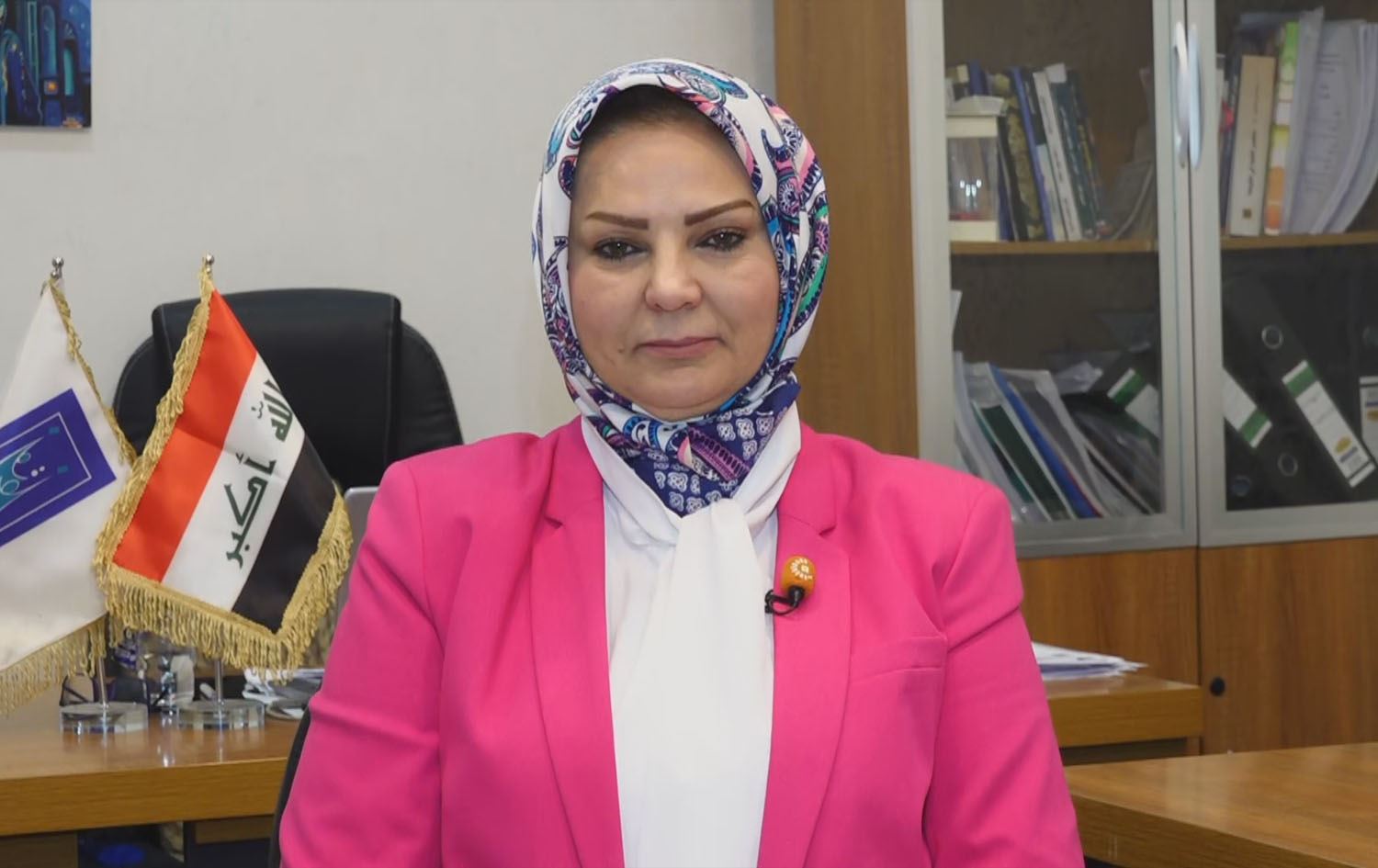
Jumana al-Ghalai, the spokesperson of the Independent High Electoral Commission (IHEC) speaking to Rudaw on Wednesday December 20, 2023. Photo: Rudaw
ERBIL, Kurdistan Region - Iraq’s Independent High Electoral Commission (IHEC) said on Wednesday that it will conduct a hand count for the votes of over 1,000 polling stations that failed to send the data for the provincial elections within its specified period, adding that final results will be announced soon after the count has concluded.
Jumana al-Ghalai, the spokesperson of the IHEC told Rudaw’s Sangar Abdulrahman that “some polling stations did not send the results through the transferring medium, and so these stations were sent to inspection centers,” where the hand count of the votes will start on Thursday.
“After the completion of the vote hand count of these stations, the commission will announce the results of this [election] process,” she added.
Ghalai said representatives of the political parties, local and international organizations, and local and international media agencies will be present at the vote counting process.
According to Ghalai, there are no doubts about the accuracy of the results from the stations in question, rather the only issue was that they failed to send the results within the six-hour interval specified by the elections law for sending data.
The IHEC spokesperson pointed out that the number of the stations that did not send their results was around 1,000 stations.
Iraqis across 15 provinces, excluding Kurdistan Region provinces, headed towards the polling stations on Monday to cast their votes in the country’s first provincial council elections in over a decade.
The IHEC on Tuesday evening announced the preliminary results of the votes, which are subject to change in the upcoming weeks, but official figures for the number of seats are yet to be released.
A total of 6,599,668 ballots were cast across Iraq during Saturday’s early vote and Monday’s general elections, accounting for a 41 percent turnout.
The provincial councils were dissolved in 2019 in response to demands by Tishreen protesters who criticized the system for its failures and for enabling corruption.
The provincial councils were created by the 2005 Iraqi constitution following the fall of dictator Saddam Hussein’s regime. They hold significant power, including setting budgets for several key sectors such as education, health, and transport, but are accused of being rife with corruption.


Comments
Rudaw moderates all comments submitted on our website. We welcome comments which are relevant to the article and encourage further discussion about the issues that matter to you. We also welcome constructive criticism about Rudaw.
To be approved for publication, however, your comments must meet our community guidelines.
We will not tolerate the following: profanity, threats, personal attacks, vulgarity, abuse (such as sexism, racism, homophobia or xenophobia), or commercial or personal promotion.
Comments that do not meet our guidelines will be rejected. Comments are not edited – they are either approved or rejected.
Post a comment