
ERBIL, Kurdistan Region - Talks between Erbil and Baghdad on resuming Kurdish oil exports are progressing, though a key dispute over export volumes remains unresolved. While the federal government insists on 400,000 barrels per day (bpd), the Kurdistan Regional Government (KRG) has proposed an initial figure of 280,000 bpd, sources from both sides told Rudaw. Resolving the issue is critical, as it directly affects the salary crisis impacting over 1.2 million public sector employees in the Kurdistan Region.
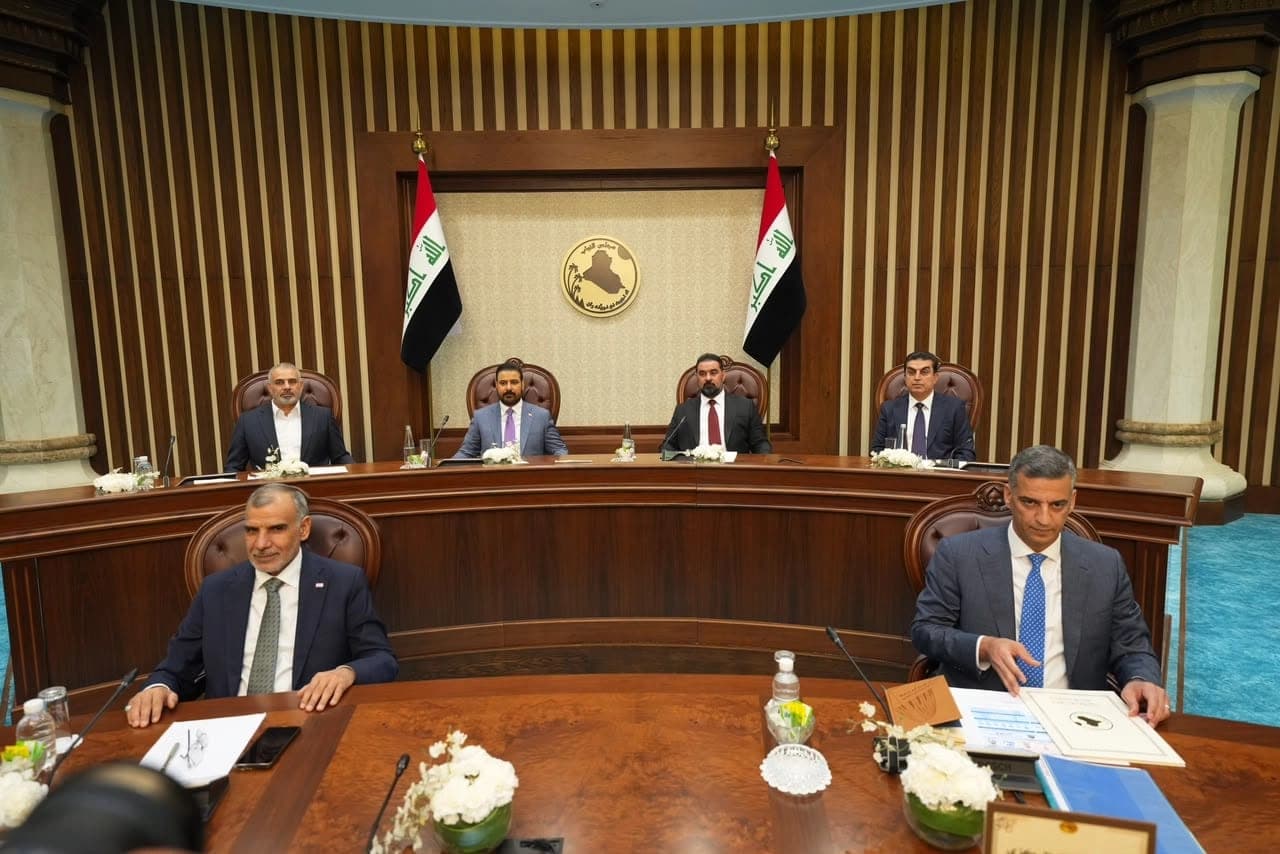
Informed sources in both Erbil and Baghdad confirmed to Rudaw that the latest round of meetings, held in Baghdad on Sunday, took place in a “calmer atmosphere,” easing previous tensions. The KRG delegation, led by Kamal Mohammed, acting natural resources minister, met with federal officials to to iron out the details
“The [latest] talks were held in a calmer environment, breaking past tensions, and there has been progress on the oil issue,” a senior Baghdad source told Rudaw.
Oil exports through the Iraq-Turkey pipeline have been halted since March 2023, following a ruling by a Paris-based arbitration court which found that Turkey violated a 1973 pipeline agreement by allowing Erbil to export oil independently.
On Wednesday, Kurdistan Region Prime Minister Masrour Barzani said the halt in exports had cost the Region over $25 billion in lost revenues.
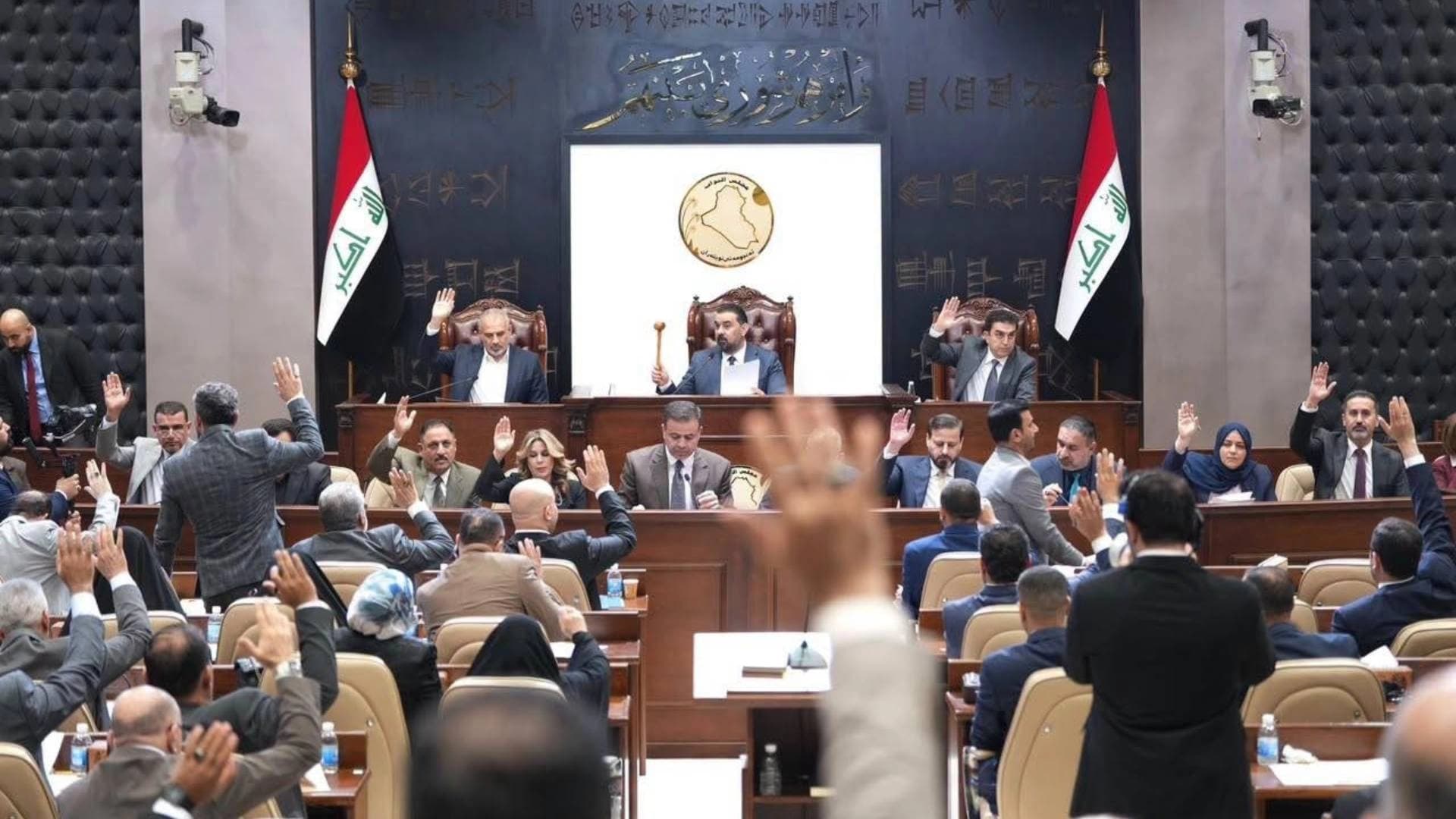
In February, the Iraqi parliament amended the federal budget law, including a provision for a $16-per-barrel fee to cover production and transportation costs for international oil companies (IOCs) operating in the Kurdistan Region. The amendments also required both sides to jointly appoint an international consultancy within 60 days to assess these costs. If no consensus is reached, the federal cabinet will select the consultancy.
The budget amendments were intended to facilitate the resumption of Kurdish oil exports. Rudaw has learned that a technical delegation from Baghdad visited Erbil last Wednesday to discuss the oil file and revenue-sharing mechanisms.
Bridging the barrel gap
A primary sticking point in the negotiations remains the volume of oil the KRG must hand over to Iraq’s State Oil Marketing Organization (SOMO).
The KRG has proposed transferring 280,000 bpd to SOMO as a first phase, reserving an additional 120,000 bpd for domestic consumption. Baghdad, however, insists on the full 400,000 bpd, with SOMO maintaining full control over exports.
A SOMO official, speaking on condition of anonymity due to the sensitivity of the talks, told Rudaw on Sunday, “The meetings are ongoing,” while noting that “the matter is complex and significant. It is not just a SOMO issue - it involves Iraq as a whole and the [federal] oil ministry. SOMO is only the implementer."
Iraq’s 2023–2025 federal budget law, passed in June 2023, allocates 12.6 percent of the national budget to the Kurdistan Region - on the condition that it delivers 400,000 bpd.
Tensions between Erbil and Baghdad escalated in late May when the federal finance ministry halted all transfers to the KRG, claiming that it exceeded its 12.67 percent share of the 2025 budget. The freeze has suspended salary payments for over 1.2 million KRG public employees, drawing strong criticism from Kurdish political parties, who say the move is unconstitutional.
The move effectively suspended salaries for over 1.2 public sector employees in the Region and sparked sharp condemnation from Kurdish parties, who argue the suspension is politically motivated and unconstitutional.
Sources in both Erbil and Baghdad underlined to Rudaw on Sunday that reaching a final agreement on oil volumes is essential to resume salary payments.
Unpaid debts and scrutinizing revenues
Beyond export volumes, another major obstacle is the financial entitlements and outstanding debts owed to IOCs.
A KRG source told Rudaw that these companies are seeking two guarantees: a fixed payment of $16 per barrel fee to cover production and transportation costs, as stipulated in the budget law, and the repayment of nearly $1 billion of accumulated debts the IOCs say they are owed.
Meanwhile, Baghdad is seeking greater oversight of the KRG’s non-oil revenues.
In a letter sent in late May, Iraqi Finance Minister Taif Sami cited the KRG’s failure to remit its full share of revenues as justification for withholding budget transfers.
During their visit to Erbil on Thursday, Baghdad’s technical delegations proposed sending federal teams to monitor KRG-controlled revenue sources, such as customs and border crossings, to verify income in coordination with federal authorities.
This demand aligns with Iraq’s Federal Financial Management Law No. 6 of 2019, which mandates that 50 percent of federal customs and tax revenues be distributed to provinces - including the Kurdistan Region - with the remaining 50 percent going to the federal government.
Hevidar Shaaban, a financial advisor based in Erbil, noted to Rudaw on Sunday that both the KRG and the federal government representatives have reportedly reached a preliminary agreement on three main points: the KRG committing to transfer 50 percent of its non-oil revenues to the federal government, customs operations will be integrated with federal systems, and in return, the federal government will be obliged to resume salary payments to KRG employees.
Hastyar Qadir contributed to this article.