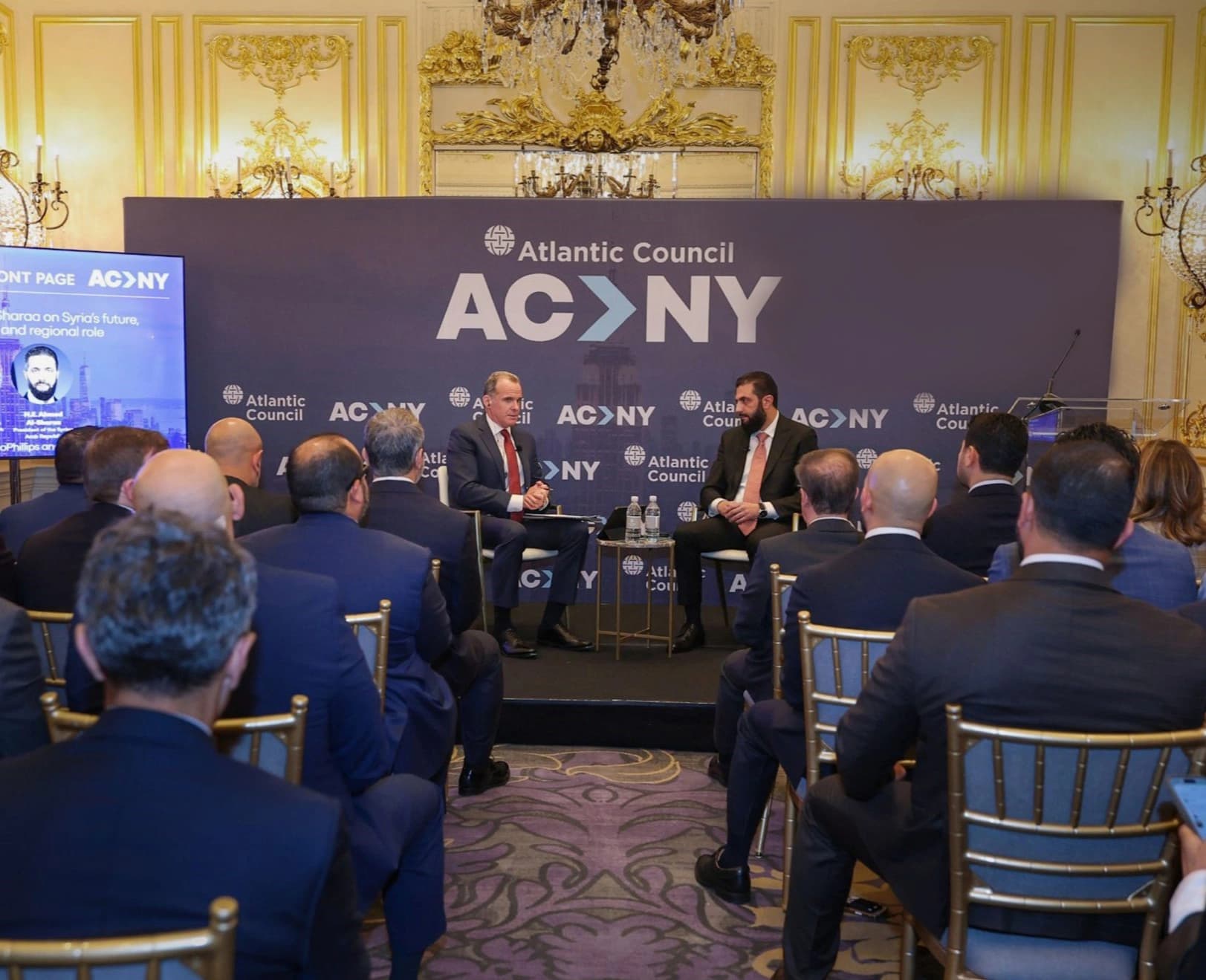

ERBIL, Kurdistan Region - Syrian interim President Ahmed al-Sharaa said on Friday that any attempts by Kurds to divide the country would significantly harm Turkey and Iraq, which both have large Kurdish populations.
"If northeast Syria wants to go toward some kind of partition, then Iraq and Turkey will be significantly harmed," Sharaa told state-owned al-Ikhbariya, listing other independence movements, including Spain's Catalonia, and claiming they would follow the lead of Syrian Kurds.
"Syria will not give up a single grain of its soil. This is an oath we swore before the people about the necessity of protecting all Syrian territory and that Syria must be unified," he added.
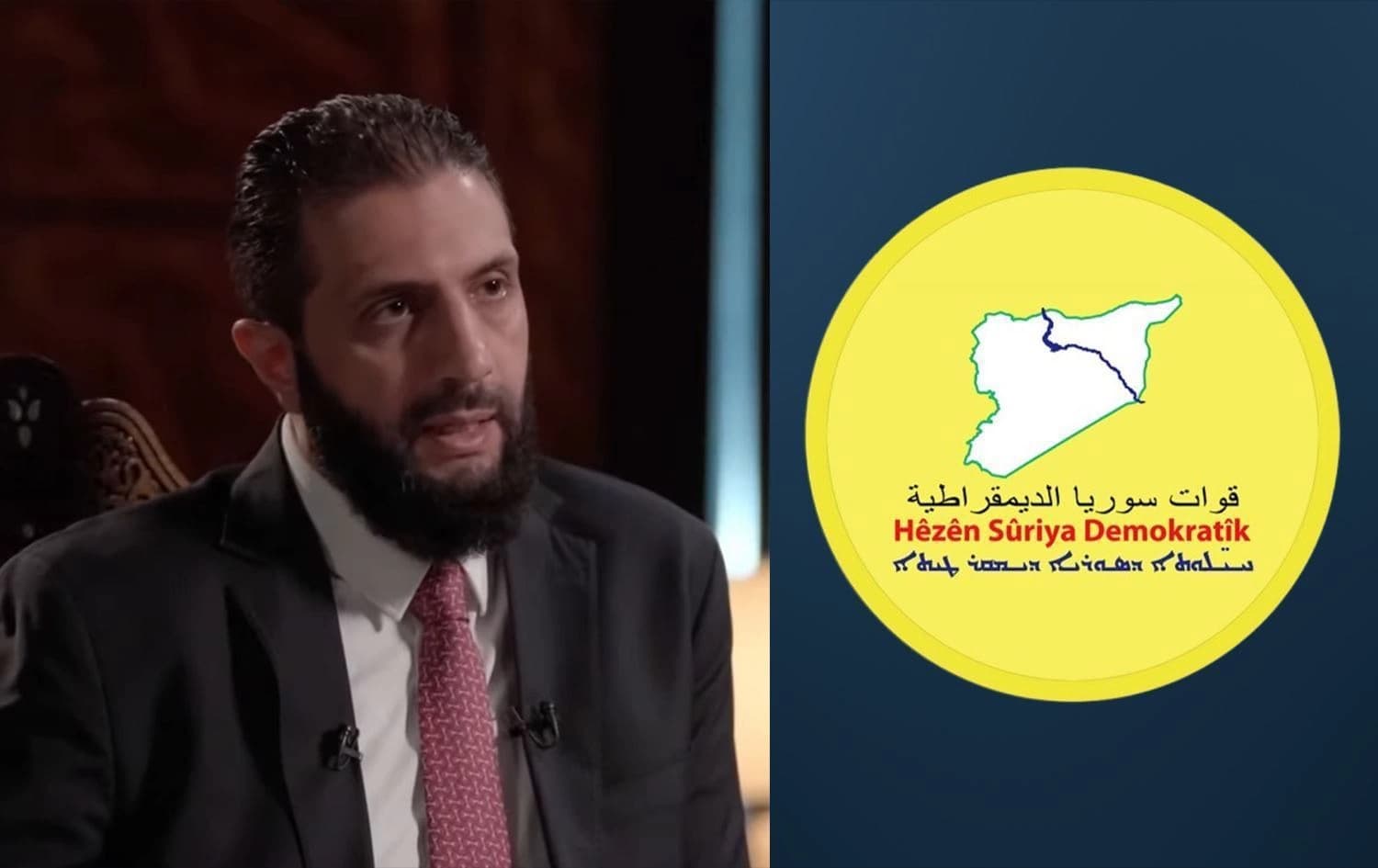
The Kurdish-led Syrian Democratic Forces (SDF) control most of the northeast of the country. They have not called for independence or separation.
Sharaa and SDF chief Mazloum Abdi signed an agreement in March to integrate the SDF and the civilian institutions of northeast Syria (Rojava) into the transitional government. Some provisions of the deal have been implemented, including prisoner swaps, but further talks have seen little to no progress.
"The negotiations with the SDF were proceeding well, but it seems there is some kind of disruption or slowdown in implementing the agreement. The agreement was given a deadline until the end of the year, and we were striving for the terms of the agreement to be implemented by the end of next December," Sharaa said, noting that several international actors, including Turkey, are involved in the integration process.
"I did everything to spare northeast Syria from entering into a battle or war. We agreed to integrate SDF forces into the Syrian Arab Army and agreed on some special arrangements for the Kurdish areas," he stated.
The SDF is the main US partner in the fight against the Islamic State (ISIS) on the ground in Syria. Most of the around 900 US troops based in the country are stationed in SDF-controlled areas.
The Kurdish administration in Rojava has called for decentralization. Other ethnic and religious groups have made similar demands.
Arabs make up a significant number of the SDF and the population of northeast Syria.
"Arabs make up more than 70 percent of the population in northeast Syria, and the SDF does not represent all Kurds," Sharaa said.
He warned the SDF that any attempt to separate from Syria will not succeed and used the example of the Kurdistan Region, which held an independence referendum in 2017 but was attacked by Iraqi forces, leading to the loss of control of disputed areas like Kirkuk. The Region was internationally isolated for a while with Turkey imposing a flight ban and Iran closing its borders. The isolation was broken by France.
"Despite all the support and international relations it had, it [Kurdistan Region] failed in its separation bid," Sharaa said.
The SDF and Damascus-affiliated forces have largely avoided armed conflict since the collapse of Bashar al-Assad's regime in December. However, there have been several skirmishes between them. Each has blamed the other for the clashes.