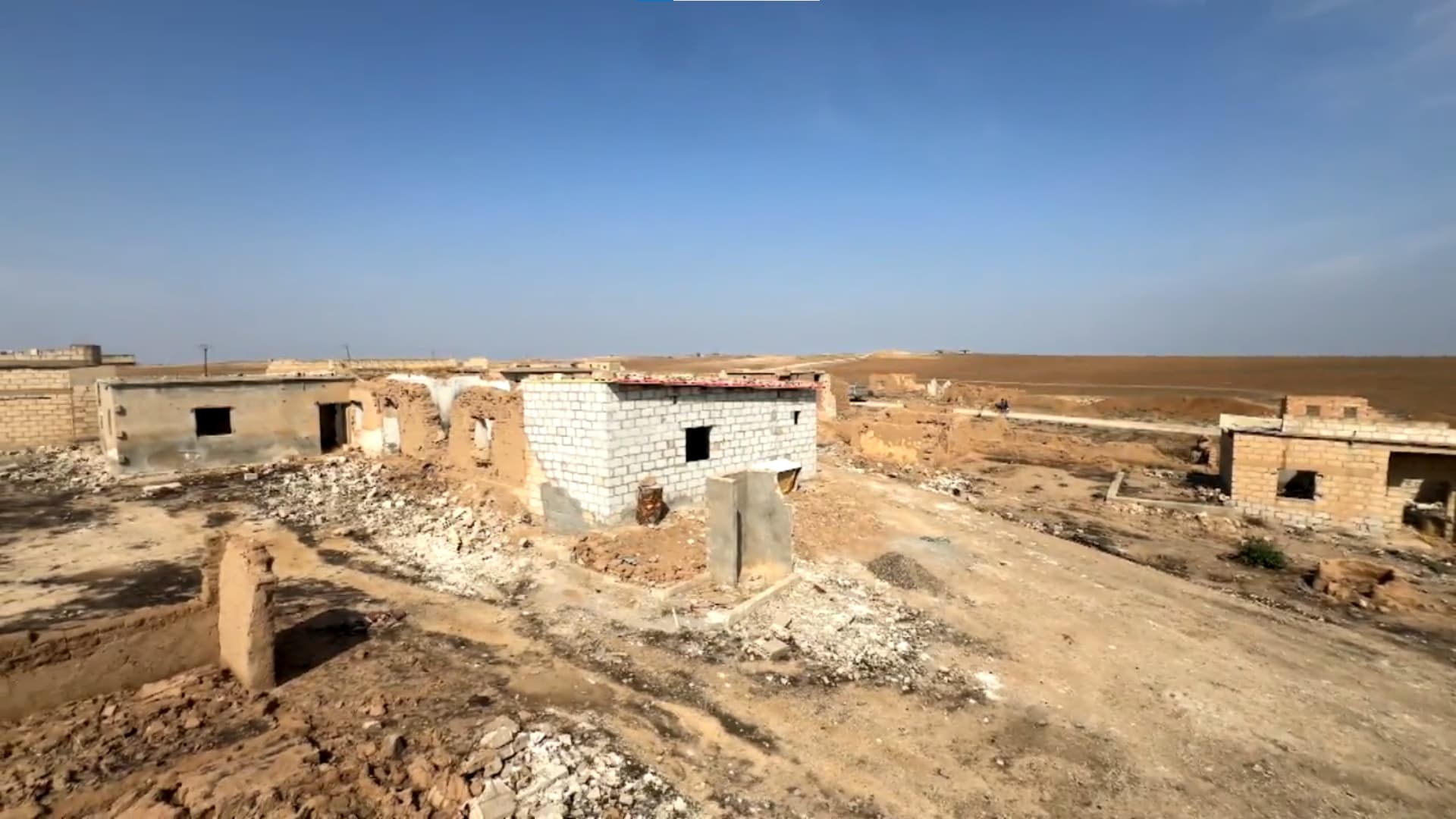
NEW YORK - A senior aid official has warned of widespread sexual abuse of boys in Syria’s al-Hol camp, saying women are exploiting minors to bear children and continue the ideology of the Islamic State (ISIS).
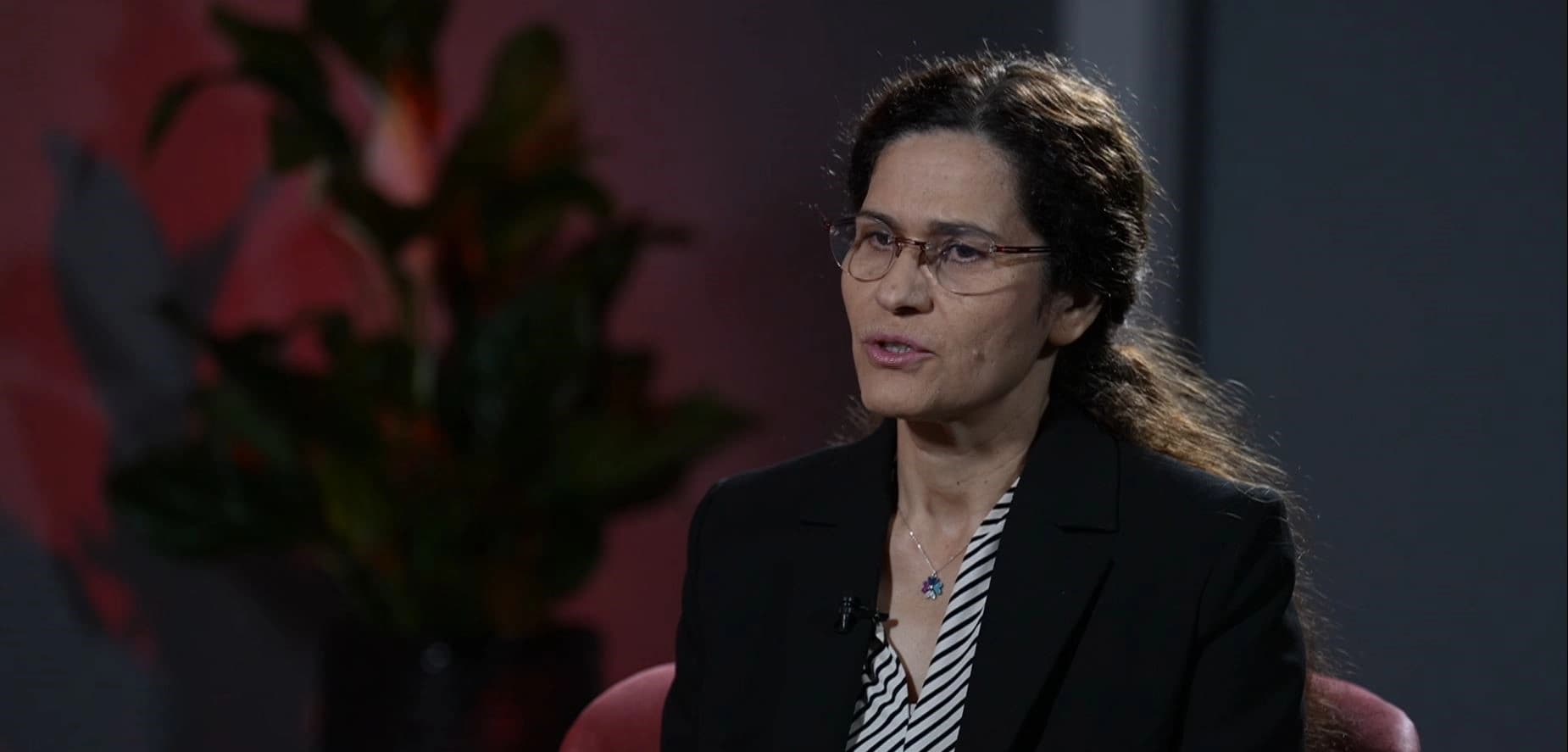
Dr. Lilla Schumicky-Logan, deputy executive director of the Global Community Engagement and Resilience Fund (GCERF), described the situation as “extremely critical, extremely dire” after visiting the camp in the Kurdish region of northeastern Syria (Rojava) last month.
Based in Geneva, GCERF is an international foundation that works with governments and communities to prevent violent extremism.
“Now what happens [is] that a lot of young boys are being misused by the women who are there to get them pregnant, and to continue with the line of the caliphate,” she told Rudaw on Friday, referring to the camp in northeastern Syria, where tens of thousands of women and children are housed.
“There are a lot of pregnant women. There are a lot of babies. And these young boys of 12, 13, 14, 15 are being sexually abused in order to maintain the line of the caliphates. This is the biggest child abuse that one can imagine.”
Al-Hol holds about 6,500 foreigners from 42 nations alongside tens of thousands of Syrians and Iraqis.
Schumicky-Logan said she was shocked to find young children in the camp when “there are supposed to be only women and children, there are supposed to be no babies. However, we have seen a lot of very young children.”
The camp is guarded by the Kurdish-led Syrian Democratic Forces (SDF), who she said are “doing their best” but face criticism and dwindling resources.
At one time, the SDF removed adolescent boys from their mothers, but Schumicky-Logan noted they “have been very harshly criticized by the international community that this is against child rights. Now they have no more resources… so now they are leaving these young boys in the camp. And the whole day they are just hanging around plotting things.”
She described increasing violence: “Just a couple of days before we went there, the boys in the foreign section have burned down three international NGO facilities. When we were there, we could not enter… young boys, as soon as they saw us, they picked up the stone. They were showing us signs like, we’re gonna cut your throat. There is a clear desperation.”
Some women, however, expressed regret. “They want to go back home even without the children. They want to send their children home… and they are ready to face justice,” Schumicky-Logan said, adding that after her visit, her organization received over 20 emails from women pleading for their children to be returned.
She criticized countries unwilling to repatriate their nationals, calling it “a political decision” that comes at the expense of children’s lives. “The life of children should not be a political decision. Children have to go home,” she said.
Schumicky-Logan issued three urgent recommendations to address the crisis:
“Make all efforts to return the children as soon as possible.”
“Continue with advocacy efforts inside the camp to convince those people who are not yet convinced to be returning.”
“Provide resources to the Kurdish authorities to keep the people at bay and have some level of a decent environment until they go home.”
She pointed to Iraq as an example, noting it has repatriated over thousands of its citizens. “As soon as the government put its mind to it, they have done it. Central Asian countries are repatriating hundreds and thousands… so it’s a call to get those other kids back as well,” she said.
The United States on Friday announced that it was setting up an international cell to facilitate repatriation of foreigners from al-Hol.