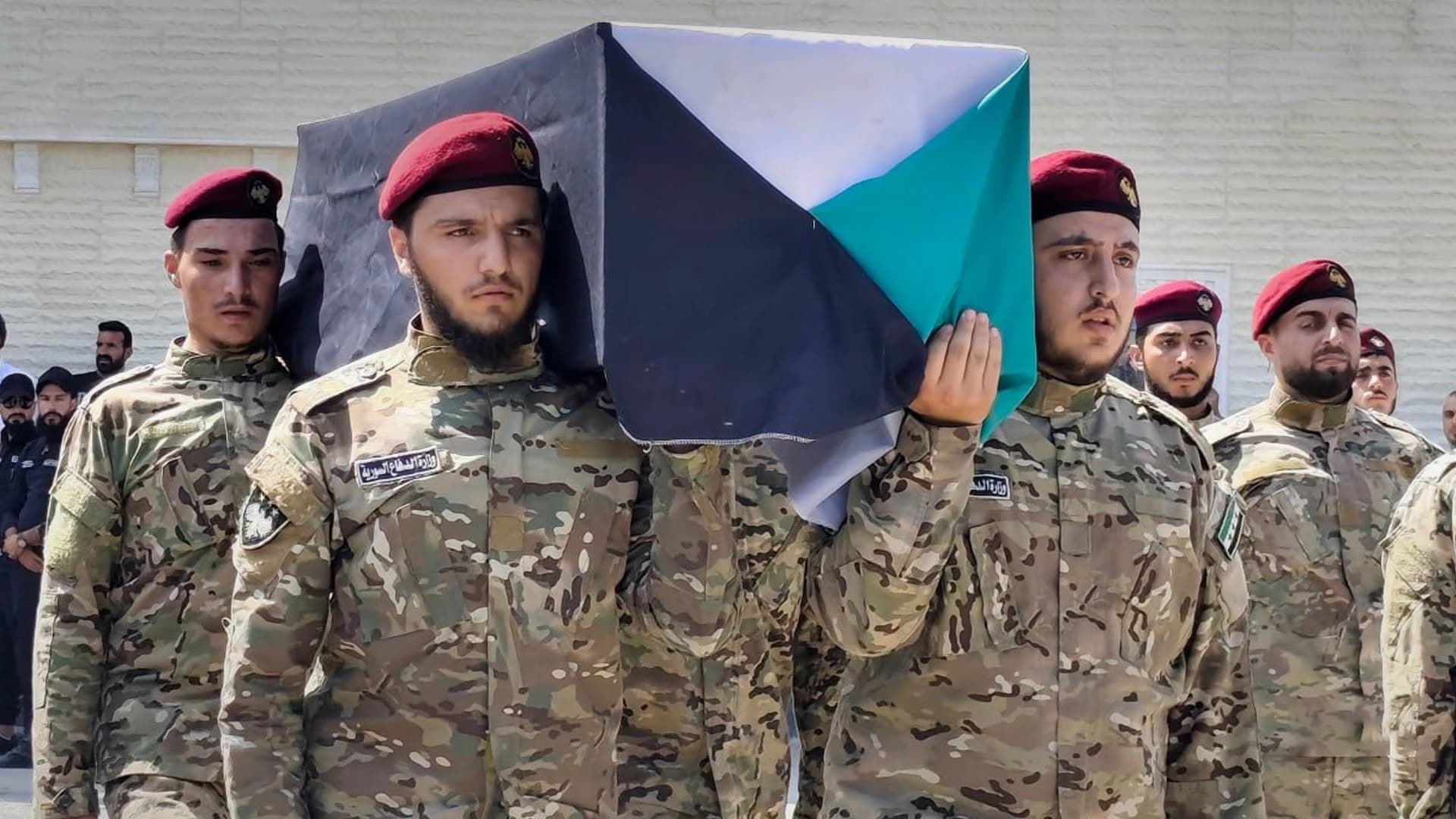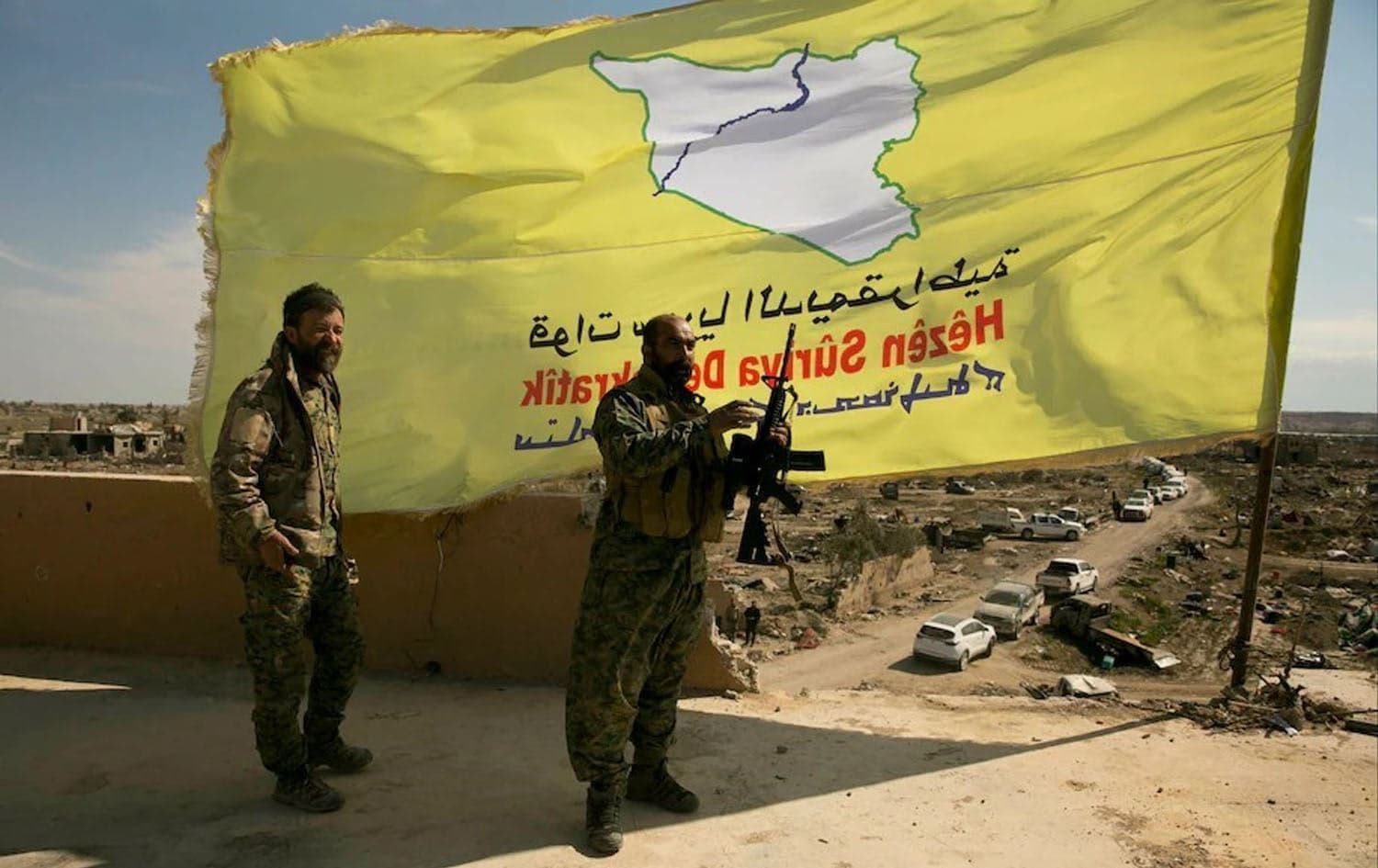

ERBIL, Kurdistan Region - Kurdish-led Syrian Democratic Forces (SDF) has submitted a list of about 70 commanders to the US-led global coalition "as part of preparations to restructure their units into three divisions and special brigades within the Syrian Army,” as military integration between the two sides advances, according to Rojava’s communications office.
“This step represents tangible progress toward unifying Syria’s military institutions, and shows that the dialogue between Damascus and North & East Syria is advancing toward a national army that preserves stability and fights terrorism," the office wrote on X.
This development comes amid signs of progress in integration talks between the SDF and the Damascus leadership.
On March 10, SDF chief Mazloum Abdi signed a landmark agreement with Syrian interim President Ahmed al-Sharaa. The deal aims to bring all civil and military institutions in Rojava - including the SDF - under centralized state control and to establish a nationwide ceasefire.
Talks to implement the agreement have continued since March, though disputes have emerged over how integration should be carried out. The SDF had advocated for integrating its forces as a unified bloc, while Damascus has favored absorbing fighters individually and distributing them across regular army units.
However, Rudaw recently learned the SDF will now integrate into the newly restructured Syrian army as three distinct military formations, including a separate brigade for the Women’s Protection Units (YPJ) - a core element of the SDF.
Last week, Abu Omar al-Idlibi, a senior commander of the North Democratic Forces - a component of the SDF - said the US-backed SDF “will become part of the formations of the new Syrian army” and will be integrated as “three military formations and several independent brigades.”
.webp&w=3840&q=75)