

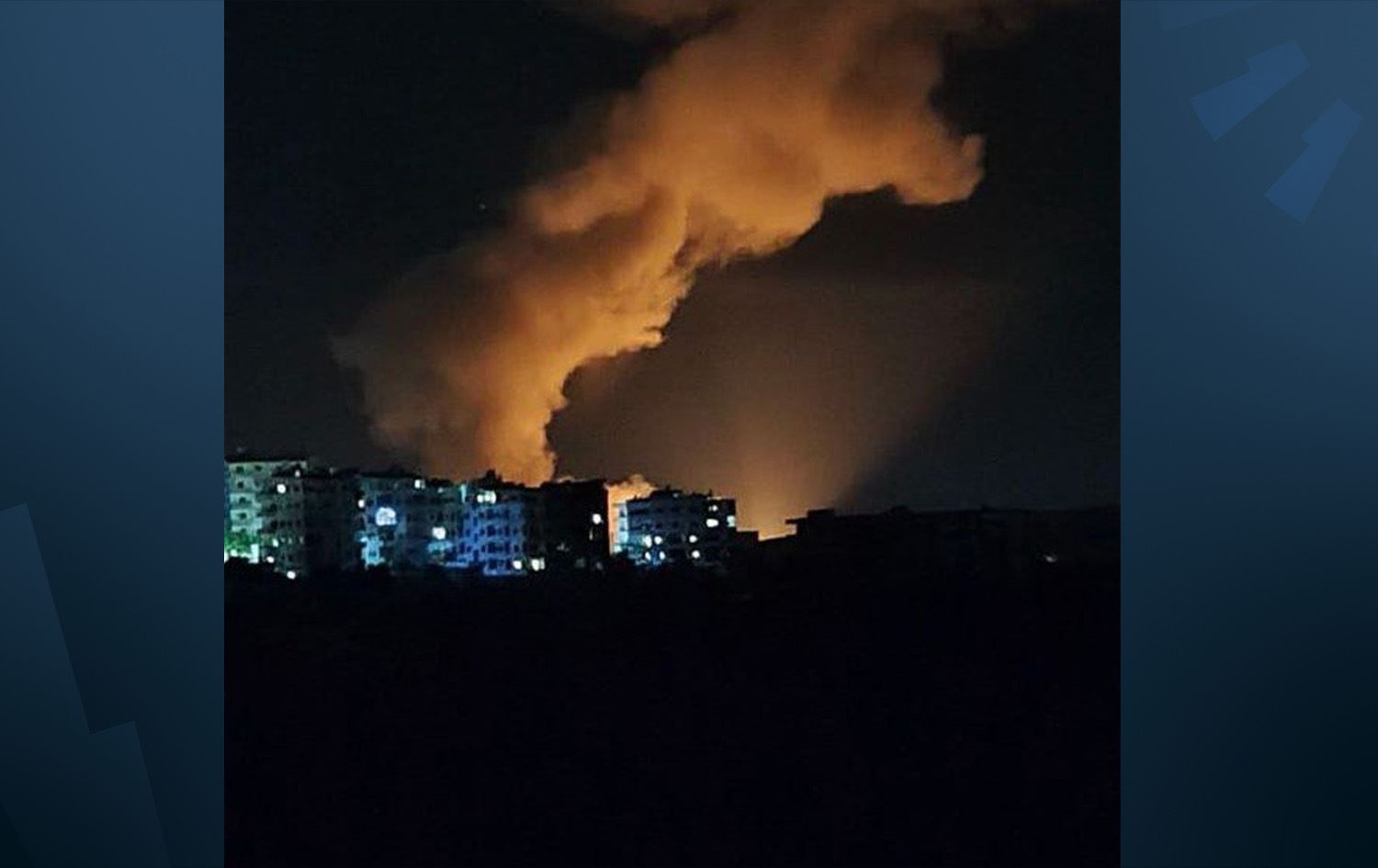
ERBIL, Kurdistan Region - Israel said it struck Syria's coastal province of Latakia late on Friday, claiming that it hit weapons that posed a threat to the freedom of navigation. This is the first Israeli strike on Syria in weeks and comes despite American efforts to establish relations between the neighboring countries.
The Israeli Defense Forces (IDF) said on X that they “struck components of surface-to-air missiles and weapon storage facilities containing coastal missiles that posed a threat to international and Israeli maritime freedom of navigation, in the Latakia area of Syria, a short while ago.”
“The IDF will continue to operate to maintain freedom of action in the region, in order to carry out its missions and will act to remove any threat to the State of Israel and its civilians,” it added.
Syria state-owned SANA news agency that Israel targeted three locations in the countryside of Latakia and Tartous provinces.
The strikes killed a civilian and caused material damage, according to SANA.
Israel, which has carried out frequent attacks on Syrian territory on the grounds of targeting Iranian interests, has continued its military actions after the ousting of Bashar al-Assad’s regime. Israel has refused to establish ties with the interim government in Damascus, with several Israeli officials calling the new Syrian authorities extremists.
US President Donald Trump is trying to mend ties between the two countries. On May 14, he called on Syria’s interim President Ahmed al-Sharaa to normalize relations with Israel during a meeting in Riyadh hosted by Saudi Crown Prince Mohammed bin Salman and attended remotely by Turkish President Recep Tayyip Erdogan.
In a statement on X, White House Press Secretary Karoline Leavitt said at the time that Trump urged Sharaa to “sign onto the Abraham Accords with Israel.”
The Abraham Accords are a series of normalization agreements between Israel and several Arab countries - beginning with the UAE and Bahrain in 2020 - brokered by the US during Trump’s first term in office. These accords established formal ties in areas like diplomacy, security and trade.


Comments
Rudaw moderates all comments submitted on our website. We welcome comments which are relevant to the article and encourage further discussion about the issues that matter to you. We also welcome constructive criticism about Rudaw.
To be approved for publication, however, your comments must meet our community guidelines.
We will not tolerate the following: profanity, threats, personal attacks, vulgarity, abuse (such as sexism, racism, homophobia or xenophobia), or commercial or personal promotion.
Comments that do not meet our guidelines will be rejected. Comments are not edited – they are either approved or rejected.
Post a comment