TBILISI - A Kurdish member of the Georgian parliament called on Kurds around the world to invest in his country, explaining that all obstacles that had prevented foreign investment have been resolved.
"Many Kurdish businessmen have come here to work and their work is proceeding normally. I know several of them and we have met. I believe the perspective will be much better, it will develop more, especially when organizations between Georgia and Kurdistan are established, when there is traffic between both because now we have Kurds who cannot come here without a visa at all, and Europe makes this a bit of a problem," Isko Daseni, who is a member of the ruling Georgian Dream-Democratic Georgia party, told Rudaw in an interview on October 22.
He said that it is safe to invest in Georgia.
"I can tell you that business in Georgia today is progressing very well. I can say that if they invest, they won't regret it. People come here from all countries, open factories and even buy houses and can stay here. There shouldn't be problems, and if there are, we are here," he said.
Nearly 10,000 Kurds live in Georgia today, although their population was close to 40,000 during the Soviet era, according to the lawmaker. The majority are Yazidis, but there is also a small Christian Kurdish community.
A conference in Tbilisi brought together Kurdish businesspeople from numerous countries in mid-October. The aim of the event was to strengthen economic relations and investments between the Kurdistan Region and Georgia.
The head of the International Association of Kurdish and Georgian Businesspeople, Otari Nadiryan, told Rudaw at the time that a large number of Georgian businesspeople want to invest and work in the Kurdistan Region.
Between 8,000 and 11,000 Georgians work in various sectors in the Kurdistan Region, particularly in hotels, restaurants, and construction, according to Nadiryan.
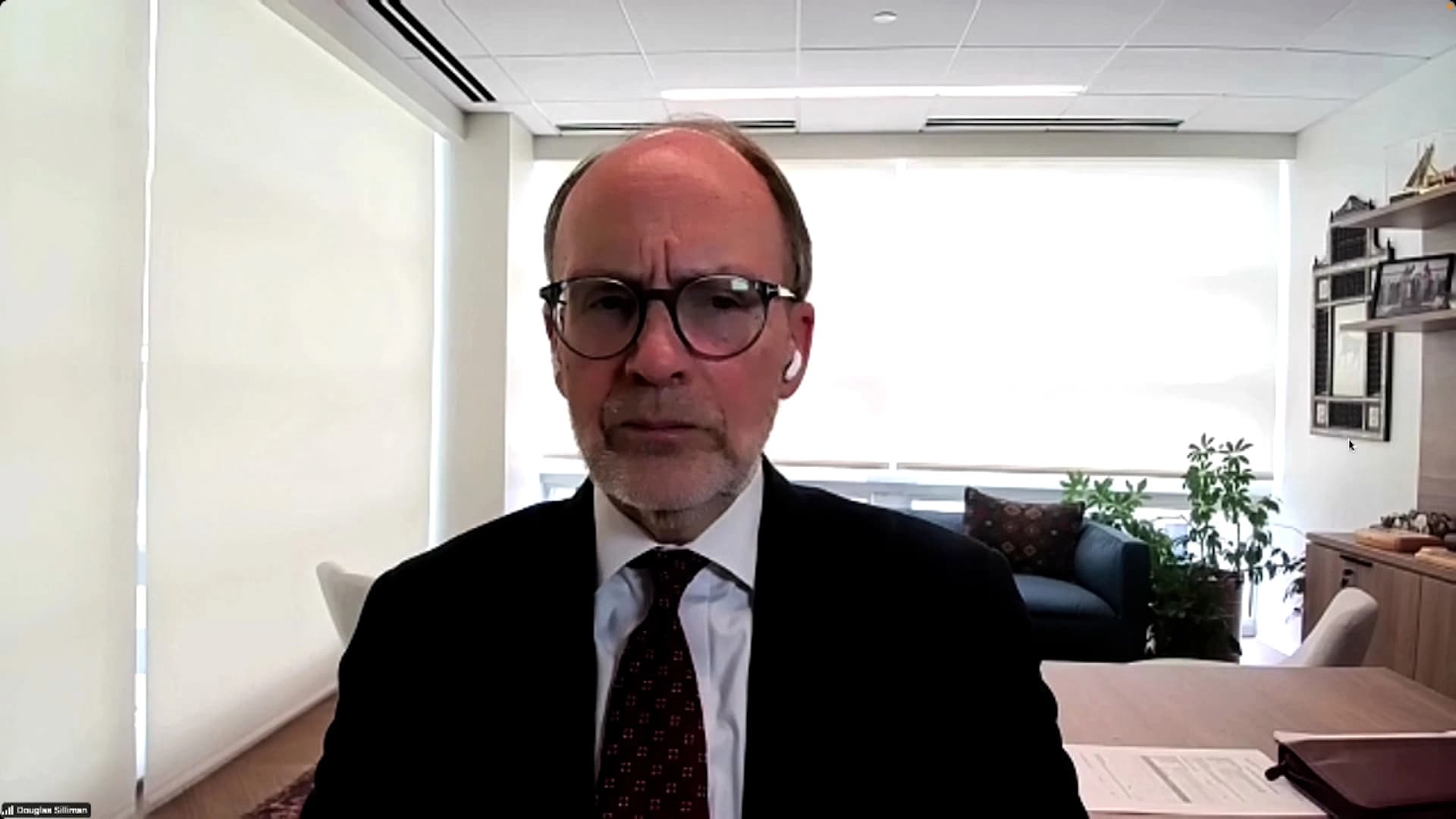
The following is the full transcript of the interview with Isko Daseni:
Rudaw: There have been some issues between the opposition and your party. What stage has the situation reached today? Is there a risk that your party might lose power? How many parliamentarians does your party have now and how many Kurdish parliamentarians are there?
Isko Daseni: Regarding Georgia, I can say that our party has been in power in Georgia since 2012. In the parliament, out of 150 seats, we have 89. There is only one Kurd, and that's me, and this is my third term. It's true that the opposition is somewhat strongly against our party, but our party is a righteous and strong party. We are Europe-oriented, not Russia-oriented. I believe our party will be in power again and all of Georgia's problems will be solved. We primarily want justice in Georgia. Other parties from the beginning didn't want justice in Georgia. That's why they block roads and become obstacles to movement. But now they have lost support and have greatly diminished. In the last elections, we didn't believe our party would get that many votes and seats. Our party has become very strong now. There's a party that was boycotting parliament until now, but today they say they'll participate. They now see that our party will govern Georgia for the next three years and understand they can never have a presence in the parliament.
You said you're currently the only Kurdish parliamentarian. How many Kurds were there in previous periods? What is the number of Kurds in Georgia, regardless of whether they're Muslim or Yazidi, and how are their rights protected in the constitution?
During Soviet times, there were more than 40,000 Kurds in Georgia. But when the Soviet Union collapsed, our Kurds migrated from here. Now I believe around 10,000 Kurds remain. The rights of those of us living here are the same as everyone else's. Without distinction of religion and nationality, everyone has equal rights. But there are other nations that are more numerous than us and live collectively in one area. For example, Azeris and Armenians each have two parliamentarians, but I am the only Kurdish lawmaker. But there are other nations much more numerous than Kurds who don't have parliamentarians. I want to say that the Georgian state values our nation and I'm becoming a parliamentarian for the third time. If we all lived close to each other, we could have taught Kurdish lessons to Kurdish children in state schools.
However, our Kurds are scattered in different areas… I can say when we were growing up, we all spoke Kurdish. At home, we spoke in Kurdish. But now this has decreased. Children first learn Georgian and English, then learn their parents' language. But still, I believe more than half of our children speak their language. Our national identity and Kurdishness won't be lost here. When we were born, our parents spoke to us in Kurdish. Now because Georgian and English are used more, Kurdish has decreased somewhat and children don't know as much as we do. Our customs and traditions, though not like before, are still preserved.
I believe this situation has changed somewhat in other countries too. I remember the first time I went to Turkey, Kurds spoke Kurdish among themselves but in a voice that others wouldn't hear. But now I know in Turkey too everyone speaks Kurdish. Are there states that don't allow speaking Kurdish? I say the situation is no longer like that. I'm very happy when I go to Kurdistan. When you cross the border, whoever works there, you speak Kurdish with them. Of course, this is a very good thing. I remember young people who came were very amazed and said, ‘Here the police speak Kurdish, what is this?’ I want to add something else - many of our Kurds work in the Georgian police. People I don't know at all come to me and speak Kurdish. We don't have that problem here.
One of the important problems not only in Georgia but also in Armenia is the issue of religion and ethnicity. Does this problem of being Yazidi and being Kurdish still exist? Does the state encourage this, or does this division occur within the nation itself? What is the cause and solution of this division based on belief?
Unfortunately, this problem exists among our nation today. Since I was born, we all knew we were Kurds and Yazidis in our religion. More than 90 percent were of the Yazidi religion. Today the situation has changed somewhat, but believe me, still 90 percent say we are Kurds. Love for your ethnicity is a great thing, because if we don't say we're a nation and don't love our Kurdishness, we'll lose this and there's nothing worse than that. No matter what your religion is - Christianity, Islam or whatever - love for your ethnicity is a fundamental reality…
We now see on the internet that many people say, ‘We are Yazidis, not Kurds.’ I say this situation must be gradually eliminated. Our politicians must work on this. This problem must not remain among our nation. I believe it will be so, because we speak one language, our ancestors were one and lived on one land. We must do everything so this problem doesn't exist, primarily in Kurdistan.
It's true, many of our Yazidis have changed their religion. They've become Christians, very few have become Muslims, there are even those who became Jews. But you can't say ‘No, it's not allowed.’ Everyone is free in their belief. In my opinion, the main thing is that you don't lose your Kurdishness and patriotism. Of course it's good if one doesn't change their religion, but you can't pressure people… There are Kurds who marry people from other ethnic groups - they're few but they exist. When you marry someone from another nation, according to customs and traditions you lose your Yazidi identity. I myself am Yazidi from 72 forefathers and believe in my religion. Our religion is really good and normal.
As a Kurdish parliamentarian, what issues important to Kurds have you brought onto the agenda so far? What are the demands of Georgia's Kurds that you should voice in parliament?
For Kurds, becoming a member of parliament is not that easy. As I told you, many Azerbaijanis and Armenians live here, so they have their parliamentarians - two are Armenian, two are Azerbaijani. Sometimes we Kurds had representation, sometimes we didn't. As a party member, I became a member of parliament again. Now what reaches me, the Kurdish question that I raised, the problems that existed, of course I raised them. The problem hasn't become anything significant. Now it comes to my mind, I want to say, the prime minister of Georgia met Barzani in Iran, there was a meeting between him and Nechirvan Barzani. I proposed that a conference be held in Kurdistan. Nechirvan Barzani met me and said: ‘Your country’s prime minister and I talked about you for 15 minutes.’ I was very happy, there was such a thing. I want to say that both the Georgian state and the Georgian people, we are one, our permission and everything is one. Our Yazidis and Kurds don't suffer here.
We know that a number of Kurdish businessmen work here. Do Georgian businessmen also go to Kurdistan for work? How do you see the perspective of economic and trade relations between the two countries?
They work here in Georgian state organizations, our people have real estate, there are prosecutors, police officers, they work in state organizations. There are those who make maps too. I know Georgian people work in Kurdistan. Many Kurdish businessmen have come here to work and their work is proceeding normally. I know several of them and we have met. I believe the perspective will be much better, it will develop more, especially when organizations between Georgia and Kurdistan are established, when there is traffic between both because now we have Kurds who cannot come here without a visa at all, and Europe makes this a bit of a problem. I have to help those Kurds. I call and say, and many of our Kurds come here. I can tell you that business in Georgia today is progressing very well. I can say that if they invest, they won't regret it. People come here from all countries, open factories and even buy houses and can stay here. There shouldn't be problems, and if there are, we are here. This is our party's policy, our party resolved this problem in Georgia. All other nations can come here and invest, and of course let our Kurds take advantage, come and invest, and I believe everything will be good, forever.