ERBIL, Kurdistan Region - The recent call between US President Donald Trump and Syrian interim President Ahmed al-Sharaa confirmed “the necessity of integrating” the Kurdish-led Syrian Democratic Forces (SDF) under the Syrian state, a senior official at Damascus’s foreign ministry told Rudaw on Tuesday, adding that the current proposal centers on absorbing Kurdish fighters as individuals rather than as blocs.
Qutaiba Idlbi, Director of American Affairs at Syria’s foreign ministry, said that Trump and Sharaa “confirmed a shared vision between the United States and Syria, focused on the necessity of integrating the [Kurdish-led] Syrian Democratic Forces (SDF), and what remains of them, into the institutions of the Syrian state.”
Sharaa and SDF Chief Mazloum Abdi on March 10 signed a landmark agreement to integrate the Kurdish-led forces, along with civil and military institutions in northeast Syria (Rojava), into the Syrian state. The deal also establishes a nationwide ceasefire.
Since then, the two sides had been holding talks over the framework of integration, with the SDF pushing to join Syrian forces as unified blocs, while Damascus calling for Kurdish fighters to be dispersed across the country’s security forces.
However, since mid-January, the Syrian Arab Army and affiliated factions have advanced into Kurdish-led areas of eastern Aleppo, as well as parts of Deir ez-Zor, Raqqa, and the Kurdish-majority Hasaka province.
Sharaa on Sunday said he signed a 14-point agreement with SDF Commander Abdi to “immediately” halt the violence in the Kurdish-led enclave and integrate the SDF and areas it holds into state institutions.
Idlbi said Tuesday that in the current integration negotiations, “We returned to the previous proposal, which focuses on individual integration [of the SDF],” adding that “this creates a better situation for cohesion within the military institution and builds brotherhood in arms among different Syrian components, whether Arabs or Kurds, and from various backgrounds.”
The Syrian presidency said on Tuesday that Damascus reached "a mutual understanding has been reached between the Syrian government and the SDF on a number of issues concerning the future of Hasaka province."
"It was agreed to grant the SDF a period of four days for consultations to develop a detailed plan for the practical mechanism of integrating the areas," the presidency added, noting that "if an agreement is reached, Syrian forces will not enter the centers of [the predominantly Kurdish cities of] Hasaka and Qamishli and will remain on their outskirts."
Idlbi elaborated that “a four-day period has been set to address details regarding the mechanisms of military integration.” He added that SDF Chief Abdi “will nominate a figure to fill the post of Hasaka governor, as well as the position of deputy defense minister for the eastern region affairs.”
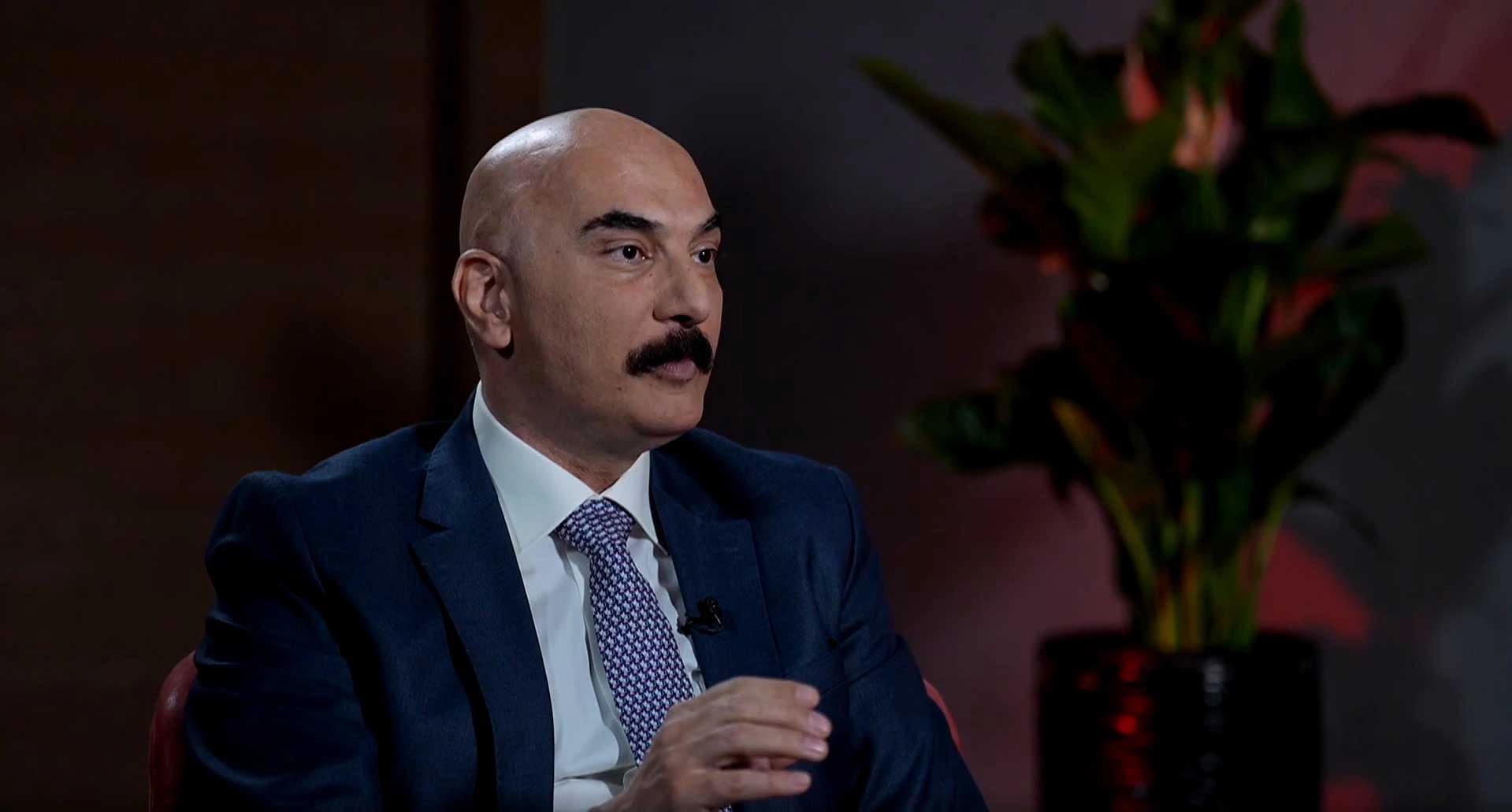
Following is the full transcript of the interview with Qutaiba Idilbi, Director of American Affairs at the Syrian foreign ministry.
Rudaw: After the phone call between Ahmed al-Sharaa and Donald Trump, why did the attacks on Kurdish areas not stop?
Qutaiba Idlbi: The phone call between President Donald Trump and President Ahmed al-Sharaa confirmed the shared vision between the United States and Syria, which focused on the necessity of integrating the [Kurdish-led] Syrian Democratic Forces (SDF) and what remains of them into the segments of the Syrian state. Of course, the Syrian government is not carrying out any attacks on Kurdish areas. What the defense ministry forces are doing is merely geographical deployment along main roads and protecting the entrances of cities and areas to prevent any clashes, especially after calls from the People’s Protection Units [YPG] to target Arab areas, or some calls aimed at creating ethnic conflict in the region. The Syrian government’s position toward the Kurdish community and people in Syria is very clear, primarily reflected in Decree No. 13 issued by President Sharaa, which clearly defined the Kurdish vision, roots, and identity within the framework of the Syrian state.
After the Syrian Arab Army took control of the Tishreen Dam, electricity and water were cut off in Kobane. What caused that?
We received reports regarding service interruptions in some areas, including areas surrounding Ain al-Arab (Kobane). Certainly, there are outages due to the battles and some clashes around service centers. The Syrian government, through institutions that entered areas of Raqqa province and northern Aleppo, is working to repair these services. Regarding roads, the defense and interior ministries are working to secure all roads and ensure movement for those wishing to leave the area. It was also agreed during today’s discussions with [SDF Commander] Mr. Mazloum Abdi to ensure a ceasefire that allows free movement for everyone [is implemented], whether in Kobani or northern Hasaka.
Is the March 10 agreement still in effect? Is it still valid?
I do not believe that the March 10 agreement has ended. The supplementary agreement reached a few days ago is actually the same proposal that the Syrian government presented to the SDF after the March 10 agreement. Despite everything that happened, the Syrian government remains committed to the framework agreed upon on March 10 of last year. We believe this framework is very important to ensure a successful experience of integrating the SDF and People’s Protection Units into the Syrian military institution.
There was an agreement that the SDF would join the Syrian army through three divisions. Was this rejected in Damascus?
In the discussions regarding the implementation of the March 10 agreement, the formation of three divisions and two brigades in different areas of northeast Syria [Rojava] was discussed.
Of course, within that proposal, the SDF at the time rejected lifting the siege on northeast Syria and fully integrating the region, even with the formation of these divisions. Therefore, in today’s discussions, we returned to the previous proposal, which focuses on individual integration. This, in fact, creates a better situation for cohesion within the military institution and builds “brotherhood in arms” among different Syrian components, whether Arabs or Kurds, and from various backgrounds.
Did you speak with Mr. Mazloum Abdi today?
Yes, communications are ongoing. Not just today, but also during the past few days, communications with Mazloum Abdi have been continuous.
What did you agree on with Mazloum Abdi?
After today’s discussions, a four-day period was given to reach details regarding the mechanisms of military integration. As the Syrian government has previously clarified, there will be no entry into residential areas, especially those with a Kurdish majority. Within this framework, the Syrian Arab Army will continue its deployment along main roads to secure city entrances and prevent any retaliatory acts or attacks from uncontrolled armed groups. Certainly, within this framework, Mazloum Abdi will nominate a figure to occupy the post of Hasaka governor, as well as the position of deputy defense minister for the eastern region affairs.
Has the Syrian Arab Army entered Kobane?
No force belonging to the defense ministry or the army will enter Kobane or any Kurdish city or village.
After attacks by government-aligned tribes, some prisons went out of control. Don’t these pose a danger?
What happened was not an attack by the defense ministry on detention centers. The Syrian Democratic Forces [SDF] or People’s Protection Units [YPG] tried to exploit the management of this dossier to create security pressure, whether on the Syrian state or neighboring countries, by releasing ISIS prisoners or withdrawing without ensuring a safe transfer process to manage al-Hol camp.
Of course, the defense and interior ministry forces are fully alert to confront ISIS. In this context, the security forces were able to re-arrest more than 80 ISIS prisoners who had been released by the People’s Protection Units [YPG] and are working to stabilize the security situation in the area, especially in al-Shaddadi and al-Hol after the withdrawal of the People’s Protection Units.
The Chinese foreign affairs ministry requested the handover of 4,000 Uyghur fighters present in Syria. Is the government ready to hand them over?
So far, there has been no official contact from the Chinese government regarding this matter. When we receive an official request, we will have an official stance on it.
Would you hand them over if requested officially?
All requests related to the residents of al-Hol and Roj camps and detainees will be studied, case by case, according to the countries to which these fighters belong and based on their criminal and security files.
When will the Syrian Arab Army stop its attacks on Rojava?
The Syrian Arab Army is not carrying out any attacks on Rojava. I think what should be discussed today is stopping attacks by uncontrolled groups affiliated with the SDF and [Kurdistan Workers’ Party] PKK-affiliated militias against various components in northeastern Syria [Rojava]. Once these military operations against civilians - such as abducting girls, forced recruitment, and pushing the Kurdish population into confrontation with their neighbors - stop, then we can talk. Today, we are waiting for SDF leadership to use its influence to prevent the Kurdish community from being dragged into conflicts with its neighbors. The Kurdish people have a long experience of living on this land, and I think there is much to learn from these experiences, away from the projects promoted by the PKK and its militias today in the region.