
ERBIL, Kurdistan Region - All previously blocked roads between northeast Syria (Rojava) and the rest of Syria will reopen following the ceasefire agreement between the Kurdish-led Syrian Democratic Forces (SDF) and the Syrian government, the Syrian interior ministry confirmed to Rudaw on Tuesday, adding that all entrances to Kurdish quarters in northern Aleppo will also be reopened.
Rudaw learned Sunday that Damascus-affiliated forces had shut down several key routes connecting Rojava to other parts of Syria, including the Zakia checkpoint, which links the north-central Raqqa province to the central-western Homs province. The Salamiyah-Tabqa road, which connects Rojava to west-central Hama province, and the road linking the Kurdish-led enclave to Aleppo via the Deir Hafer district were also blocked.
On Monday night, clashes erupted between Kurdish-led Internal Security Forces (Asayish) - affiliated with the SDF - and Syrian government forces in northern Aleppo’s quarters of Sheikh Maqsood and Ashrafiyeh.
The violence broke out hours after local officials in the Kurdish-majority areas informed Rudaw that “Damascus-affiliated security forces” had shut down most entrances to these neighborhoods in what seemed like a “complete siege.” After hours of deadly clashes, the SDF and the Syrian government forces reached a ceasefire early Tuesday.
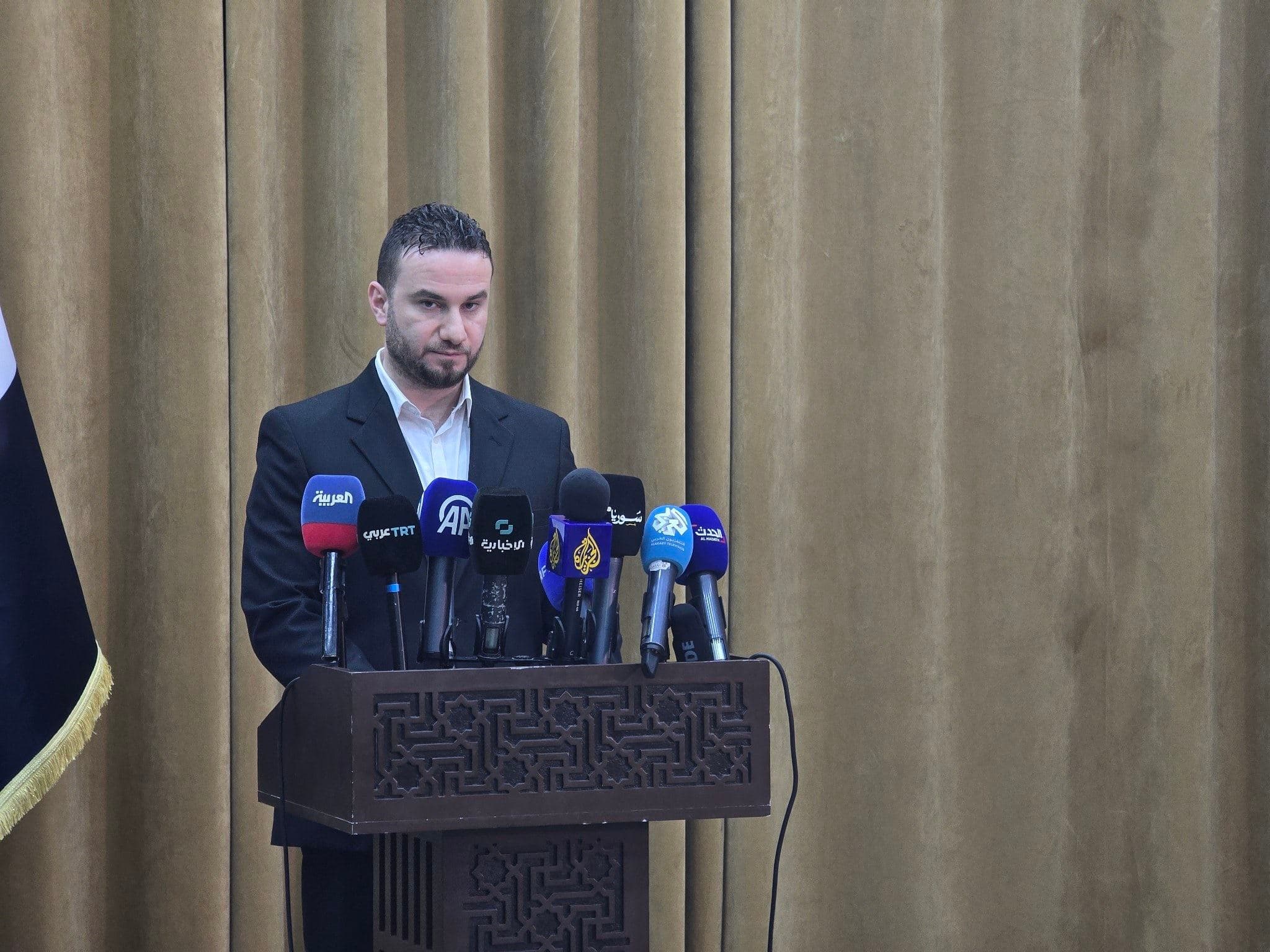
Nour al-Din al-Baba, spokesperson for the Syrian interior ministry confirmed to Rudaw on Tuesday that, “Following the ceasefire, all roads [connecting Rojava to the Syrian interior] will be opened from both directions.” He claimed “the closure was due to the lack of cooperation” from the SDF in “capturing criminals” affiliated with the toppled regime of Syrian dictator Bashar al-Assad.
Commenting on the closure of entrances to Sheikh Maqsood and Ashrafiyeh, Baba said, “The reason only one route was kept open was to control the security situation in Aleppo city.”
He alleged that Sheikh Maqsood and Ashrafieh had “turned into hotbeds for assembling remnants of the defunct regime due to the SDF's leniency with them.”
Below is the full transcript of the remarks by Syrian interior ministry Spokesperson Nour al-Din al-Baba to Rudaw.
Rudaw: What is the status of the crossings between regions administered by the Kurdish-led Democratic Autonomous Administration of North and East Syria (DAANES) in Rojava and those under Syrian government control? Are the Aleppo-Deir Hafer road, the Athriya-Damascus road, and the al-Sukhna-Tabqa road open?
Nour al-Din Baba: After the declaration of a ceasefire, all roads will be opened from both directions. The closure was due to the SDF's lack of cooperation in arresting criminals from the remnants of the defunct [Assad] regime, who have found a safe haven in SDF-held areas.
Why were the entrances to the Sheikh Maqsood and Ashrafiyeh neighborhoods in northern Aleppo closed? Why was only one route left open?
The reason for keeping only one road open was to maintain control over the security situation in Aleppo city. The Sheikh Maqsood and Ashrafiyeh neighborhoods had turned into hotbeds for remnants of the defunct regime, due to the SDF’s leniency toward them.
Nalin Hassan contributed to this report.
Updated at 9:45 pm