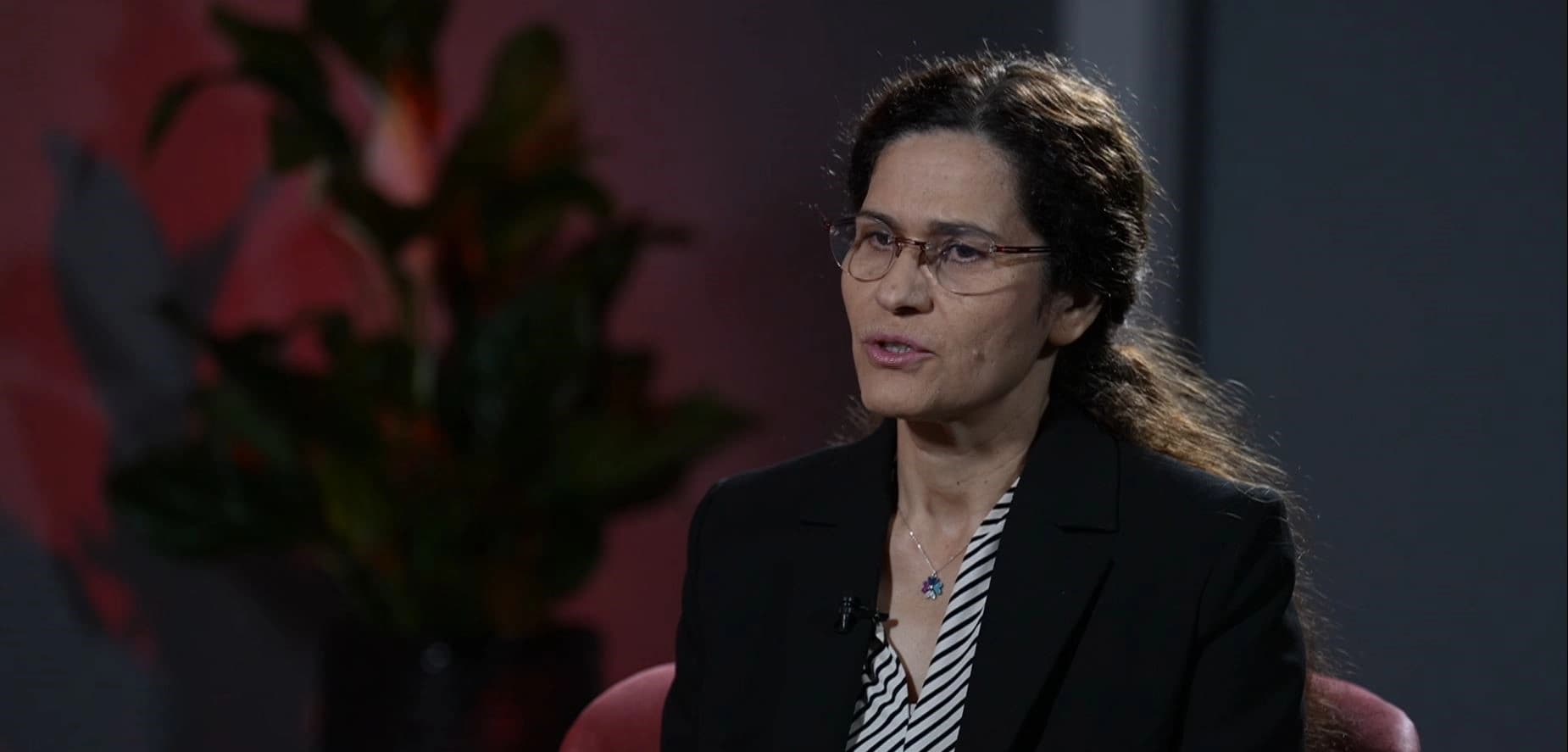

ERBIL, Kurdistan Region - A spokesperson for the Syrian presidency team overseeing the implementation of an agreement with the Syrian Democratic Forces (SDF) said on Wednesday that progress is being made to implement the central education system in northeast Syria (Rojava), while two proposals are under consideration for the future of Kurdish language education.
Ahmed Hilali told Rudaw's Nalin Hassan that efforts to integrate the education sector in Hasaka province – where most of Rojava areas still under Kurdish control are located – are advancing, with plans to standardize teaching under the national curriculum once the process is complete.
“Examination centers will be opened in Hasaka, Qamishli, Shadadi, and Sari Kani [Ras al-Ain], and additional centers may be added,” Hilali said, noting discussions with Syrian Education Minister Mohammad Turko on accelerating preparations for 9th- and 12th-grade exams.
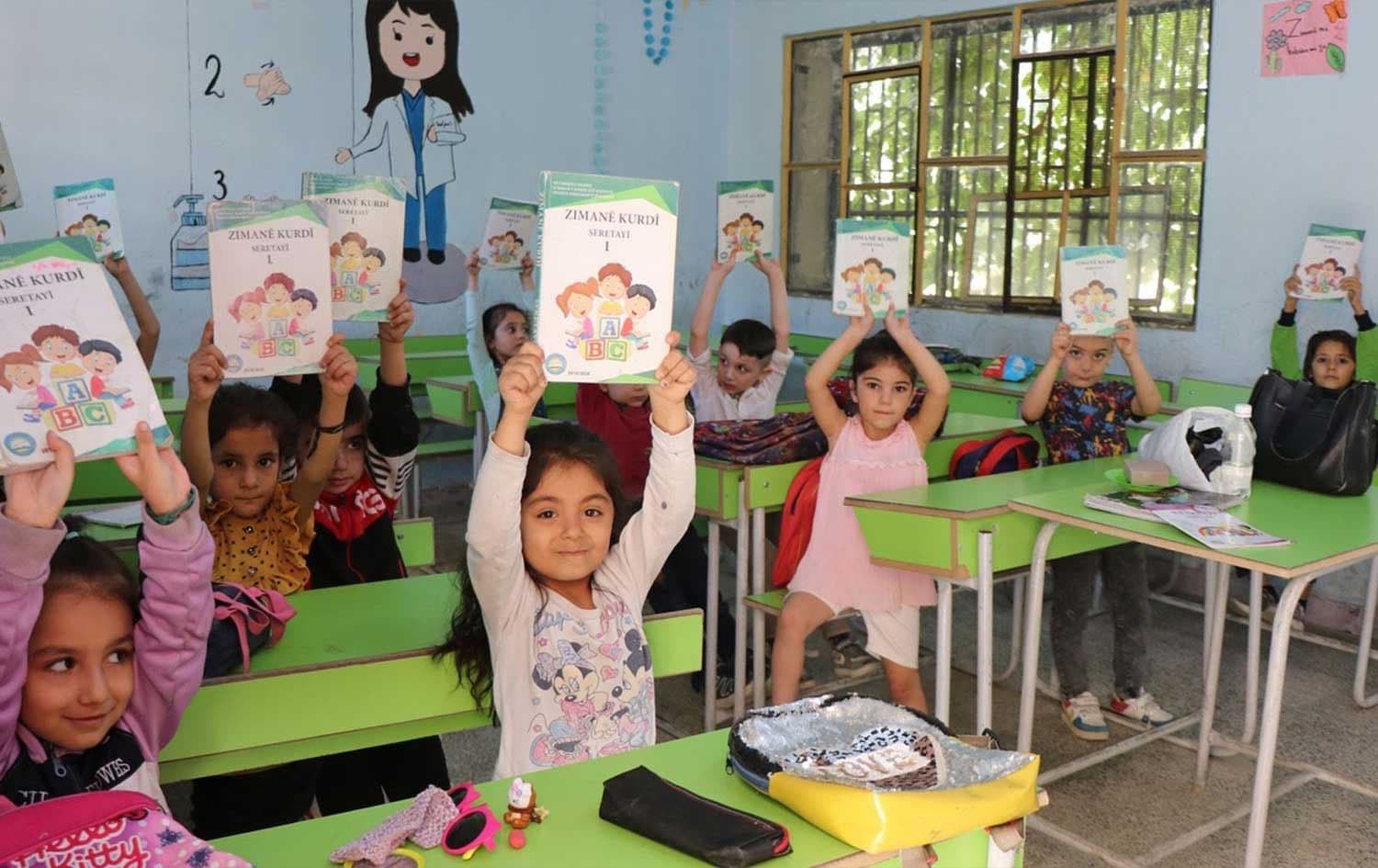
On Kurdish language education, Hilali outlined two proposals currently under review. “First, that the Kurdish language becomes an elective subject taught once a week. This is within the framework of what is available and appropriate, and it has no negative aspects,” he claimed. “Second, translating the Syrian national curriculum and textbooks into the Kurdish language. This one brings many problems with it, especially regarding the labor market and professional future.”
Rudaw contacted several Rojava officials regarding the integration of educational institutions and the future of Kurdish education in the region, but they declined to comment.
The developments come as Damascus and the Kurdish-led SDF continue implementing a broader agreement reached in late January following weeks of intense fighting. Earlier in the month, Syrian government forces and allied groups launched a large-scale offensive that led to the SDF’s withdrawal from parts of eastern Aleppo, Deir ez-Zor, Raqqa, and Hasaka.
The subsequent deal initiated a phased de-escalation process, allowing government forces to enter the Kurdish cities of Hasaka and Qamishli in Rojava, while outlining steps toward political and military integration.
Under the agreement, both sides committed to a gradual prisoner exchange and broader institutional integration, including the formation of SDF units within the Syrian army and the incorporation of the Democratic Autonomous Administration of North and East Syria (DAANES) into state structures.
Hilali emphasized that a transitional academic year would be required to merge the Kurdish region’s systems. “There is good progress in the file of unifying the education sector. For the integration process, we need a transitional school year,” he said.
“Previously, there were several different curricula in the region [Rojava], such as those from local councils, the SDF program, the Syriac program, and the former regime's program. The transitional year is an opportunity for students to move toward a unified national curriculum.”
He added that after the transition, “the approved educational program will be the national curriculum.”
Hilali explained that offering Kurdish-language education as a full alternative would require additional infrastructure. If students were given the option to study entirely in Kurdish or Arabic, “they would then require specific buildings and schools, which are currently scarce,” he said, adding that demand may remain low due to what he described as a “weak professional future.”
The proposals have been submitted to the General Secretariat of the Presidency for review, according to Hilali.
He also noted that a draft law regulating teachers’ affairs has been prepared by the ministry of education and is awaiting parliamentary debate and approval.